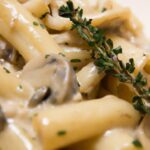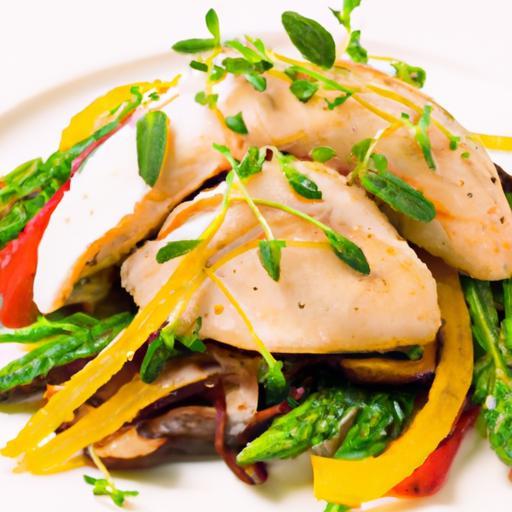

There’s something comforting about simple meals-their ease, their familiarity, their no-fuss charm. But what happens when that trusty, go-to dish turns unexpectedly dry, leaving your palate longing for moisture and zest? Before tossing your creation aside or drowning it in sauce, take a breath. Dryness in simple meals is a common culinary hiccup, but it’s far from a lost cause. In this article, we’ll explore quick, inventive fixes to revive flavor and texture, transforming your meal from bland to brilliant in minutes. Because even the simplest dishes deserve a second chance to shine.
When Simple Meals Go Dry: Quick Fixes to Save Flavor
When simple meals go dry, it can be frustrating, especially when an otherwise delicious dish falls short due to overcooked proteins or bland seasoning. Understanding the science behind dryness and learning how to introduce moisture boosters, balanced seasonings, and creative sauces will transform your cooking experience and elevate simple dishes to new heights. Let’s dive into techniques that bring back juiciness and flavor effortlessly.
Prep and Cook Time
- Preparation: 10 minutes
- Cooking: 20 minutes
- Total Time: 30 minutes
Yield
- Serves 4
Difficulty Level
- Easy
Ingredients
- 1 lb chicken breast or firm white fish fillets, trimmed and sliced
- 1 tbsp olive oil
- 1/2 cup plain Greek yogurt (moisture & flavor enhancer)
- 2 cloves garlic, finely minced
- 1 tbsp fresh lemon juice
- 1 tsp smoked paprika
- 1 tsp ground cumin
- Salt and pepper to taste
- 1/4 cup fresh parsley, chopped
- 1/4 cup finely diced red onion
- 1/4 cup low-sodium chicken broth (optional moisture booster)
- 2 tbsp sour cream or crème fraîche (for sauce)
- 1 tbsp olive oil (for finishing)
Instructions
- Prepare the protein: Season the chicken or fish slices with salt, pepper, smoked paprika, and ground cumin. This foundational seasoning ignites flavor and complements the moisture boosters added later.
- Sear with care: Heat the olive oil in a skillet over medium heat. Add the protein and cook until just golden on the outside, approximately 3-4 minutes per side. Avoid cooking fully here to prevent dryness; remove and rest.
- Create the moisture booster blend: In a small bowl, mix Greek yogurt, lemon juice, minced garlic, and diced red onion. This cooling, tangy mixture adds creaminess and brightness, coaxing moisture back into the protein.
- Rehydrate gently: Return the protein to the pan and add the chicken broth. Cover and simmer on low heat for 5 minutes, allowing the broth and yogurt mixture to gently infuse moisture back into the dish without overcooking.
- Finish the sauce: Stir in sour cream or crème fraîche, adjusting seasoning if needed, and let it warm through. The dairy enriches the sauce with velvety texture that clings beautifully to the protein.
- Plate and garnish: Serve the protein draped with the sauce, sprinkled generously with fresh parsley. Drizzle with a finishing splash of olive oil to add shine and extra flavor.
Tips for Success
- Use Greek yogurt or sour cream as natural moisture enhancers that also introduce a subtle tang to balance rich seasoning.
- If you’re rescuing beef or pork, consider adding a splash of stock or wine for added complexity in flavor and juiciness.
- Avoid high heat once adding moisture-low and slow is the key to incorporating moisture without toughening the protein.
- Adapt the aromatics: swapping parsley for cilantro, thyme, or basil can subtly shift the profile to suit your palate or cuisine style.
- Prepare the sauce ahead for a time-saving element on busy nights; rewarm gently before serving.
Serving Suggestions
Present this revitalized dish over a bed of fluffy creamy mashed potatoes or steamed jasmine rice, which soak up every bit of the tantalizing sauce. Fresh lemon wedges on the side brighten the presentation and add extra zing. For a green contrast, lightly sautéed baby spinach or a crisp side salad with vinaigrette enhances freshness and balances the richness. Sprinkle toasted pine nuts atop for crunch and an elegant finish.
| Nutrient | Per Serving |
|---|---|
| Calories | 280 kcal |
| Protein | 35 g |
| Carbohydrates | 6 g |
| Fat | 10 g |

To continue mastering moisture retention and flavor transformation, explore our guide to balanced seasoning for expert secrets that go beyond the basics and elevate every simple meal.
Q&A
Q&A: When Simple Meals Go Dry – Quick Fixes to Save Flavor
Q1: Why do simple meals sometimes turn out dry and lackluster?
A1: Simple meals often become dry due to overcooking, insufficient moisture, or low-fat content. Without a balance of liquids, fats, or sauces, even the freshest ingredients can end up parched and flavorless.
Q2: What’s the fastest way to revive a dry chicken breast?
A2: Try slicing the chicken thinly and gently reheating it in a splash of broth, olive oil, or a quick drizzle of lemon butter. Adding a bit of moisture while warming helps the meat reabsorb juiciness and brings back its flavor punch.
Q3: Can dry vegetables be rescued once cooked?
A3: Absolutely! Toss dry veggies in a bright vinaigrette, a spoonful of pesto, or steam them briefly with a pat of butter. These quick fixes add moisture and boost flavor complexity instantly.
Q4: How do you fix dry rice or pasta without turning it mushy?
A4: Gently fold in a warm sauce, broth, or even a splash of olive oil. Heat just enough to moisten but avoid soaking. A sprinkle of fresh herbs or cheese can also add bursts of flavor and texture.
Q5: Are there pantry staples that help salvage dry meals?
A5: Yes! Stock your kitchen with items like olive oil, butter, broth, canned tomatoes, mustard, citrus fruits, fresh herbs, and yogurt. These versatile ingredients add moisture and depth, transforming dryness into delight.
Q6: What’s a clever trick for dry bread or toast?
A6: Lightly brush with olive oil or butter, then warm in the oven or on a pan. You can also rub a cut garlic clove or fresh tomato on the surface for an instant flavor boost.
Q7: Can sauces be the hero in rescuing dry dishes?
A7: Definitely. A quick pan sauce from drippings, a dollop of crème fraîche, salsa, or a tangy dressing can mask dryness while enriching the overall bite. Sauces are true flavor saviors in disguise!
Q8: How can I avoid meals drying out in the future?
A8: Cook with moisture in mind: baste meats, use cooking methods like braising or steaming, add sauces early, and remember to rest proteins to keep juices inside. Controlling heat and timing are also key players.
When simple meals go dry, don’t fret-use these quick fixes to rescue the flavor and keep your kitchen adventures delicious and stress-free!
Final Thoughts
In the symphony of everyday cooking, even the simplest meals can hit a dry, flavorless note. But with a few quick fixes-whether it’s a splash of zest, a dash of spice, or a touch of moisture-you can transform a parched plate into a vibrant culinary experience. Remember, a little creativity and a handful of pantry staples are all it takes to rescue your meal from the brink of dryness. So next time your simple dish feels a bit lackluster, don’t despair-embrace these quick flavor-saving tricks and turn every bite into a delicious encore.