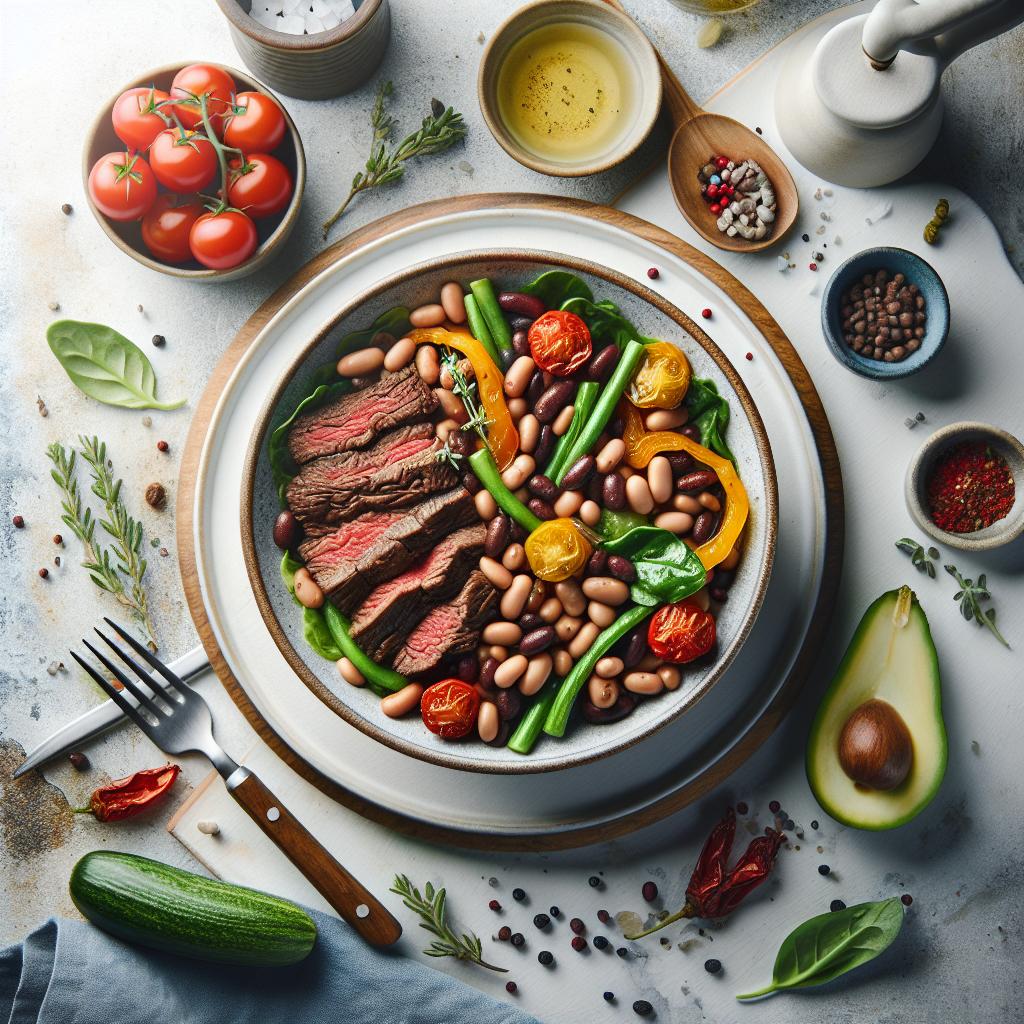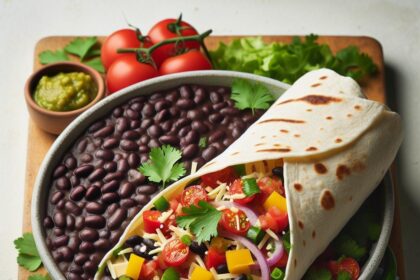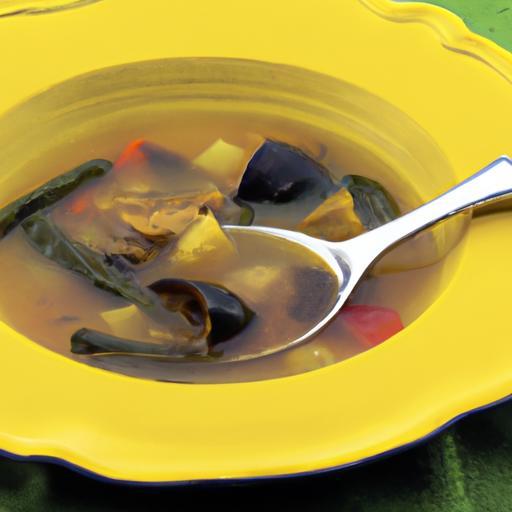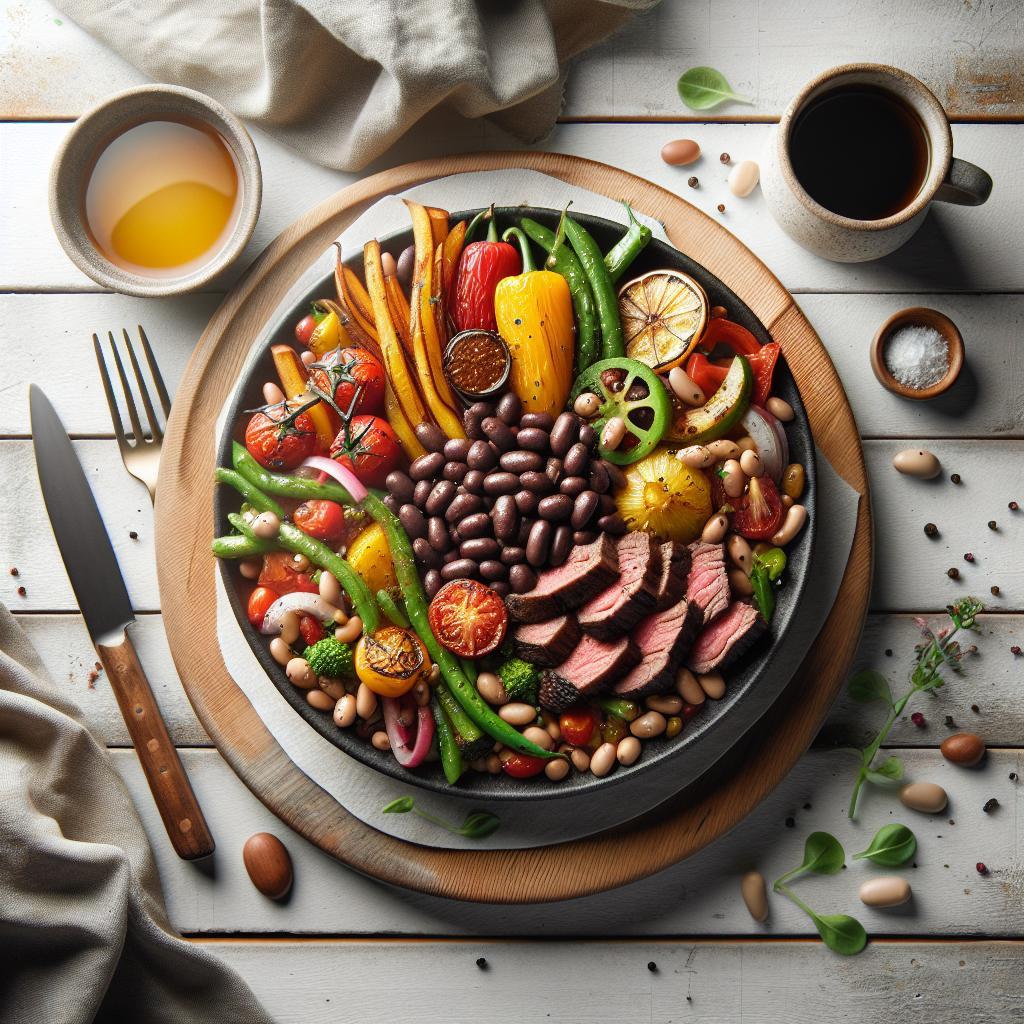

There’s something undeniably comforting about the humble union of beef and beans-a timeless duo that dances effortlessly between hearty tradition and savory innovation. Whether simmered low and slow in a rustic chili or jazzed up with bold spices in a gourmet stew, beef beans offer a world of flavor waiting to be explored. In this ultimate guide, we’ll unravel the secrets behind crafting the perfect beef beans dish, from selecting prime cuts of meat to choosing the ideal beans and mastering the balance of flavors. Get ready to savor every bite as we embark on a culinary journey that celebrates the rich, soulful essence of beef beans like never before.
- Exploring the Rich History and Cultural Roots of Beef Beans
- Choosing the Perfect Cut and Beans for Maximum Flavor
- Mastering Techniques to Elevate Your Beef Beans Dish
- Expert Tips on Seasoning and Serving for an Unforgettable Meal
- Prep and Cook Time
- Yield
- Difficulty Level
- Ingredients
- Instructions
- Tips for Success
- Serving Suggestions
- Q&A
- In Summary
Exploring the Rich History and Cultural Roots of Beef Beans
Savor the Flavor of beef beans offers a culinary journey as rich and diverse as the cultures that have embraced it through the ages. This hearty dish traces back to early settlers and indigenous communities who combined accessible, nourishing ingredients like slow-cooked beef and nutrient-packed beans into a single, flavorful stew. Its roots connect survival, resourcefulness, and celebration, evolving into a beloved staple featuring regional twists that embody warmth and comfort. Each simmer carries stories of shared tables and traditions that have transcended time, inviting modern food enthusiasts like yourself to enjoy history on a plate.
Choosing the Perfect Cut and Beans for Maximum Flavor
To achieve the quintessential depth that makes beef beans irresistible, start by selecting cuts of beef that become tender and savory through slow cooking. Chuck roast or brisket are excellent choices-both are rich in connective tissue that melts into luscious, silky textures. Complement these with hearty, creamy beans such as cannelini, pinto, or black beans. Their varying textures and natural earthiness create a balanced, layered experience. Avoid canned beans for maximum flavor control; instead, soak dried beans overnight for an ideal consistency that absorbs the robust beef essence deeply.
Mastering Techniques to Elevate Your Beef Beans Dish
The foundation of this dish’s soulful appeal lies in mastering slow simmering, layering flavors, and incorporating umami boosters. Begin by browning the beef in a heavy skillet to develop a caramelized crust, unlocking complex aromas and a rich base color. Deglazing the pan with a splash of savory broth or stock helps release fond-the delicious browned bits that weigh heavily on flavor. Patience is key: a slow, gentle simmer allows the beans to soften perfectly while marrying with the succulent beef juices and aromatics like garlic, onion, and smoked paprika. Stir occasionally to evenly distribute flavors and prevent sticking.
Expert Tips on Seasoning and Serving for an Unforgettable Meal
Balancing seasoning is crucial to highlight but not overpower the natural sweetness of the beef and the earthiness of the beans. Use sea salt and freshly cracked black pepper to season gradually throughout the cooking process. Add a touch of smoked paprika or cumin for warmth, and finish with a splash of freshly squeezed lemon juice or apple cider vinegar to brighten the dish, awakening deeper flavors. Fresh herbs like cilantro or parsley sprinkled atop add freshness and a pop of color.
Present beef beans in rustic bowls highlighted by a swirl of creamy Greek yogurt or a sprinkle of sharp cheddar for layers of taste contrast. Serve alongside crusty artisan bread or fluffy steamed rice to soak up every luscious drop. This dish shines brilliantly as a cozy one-pot marvel that unites family and friends at any table.
Prep and Cook Time
- Prep Time: 20 minutes (plus overnight bean soaking)
- Cook Time: 2 hours 30 minutes
Yield
Serves 6 hearty portions
Difficulty Level
Medium – Perfect for home cooks ready to embark on a rewarding slow-cooked journey
Ingredients
- 2 lbs chuck roast, cut into 1-inch cubes
- 1 cup dried pinto beans, soaked overnight and rinsed
- 1 large yellow onion, finely chopped
- 4 cloves garlic, minced
- 1 cup beef broth, low sodium
- 2 cups water
- 1 tbsp smoked paprika
- 1 tsp ground cumin
- 2 tsp sea salt, adjust to taste
- 1 tsp freshly cracked black pepper
- 2 tbsp olive oil
- 1 tbsp tomato paste
- 1 tbsp apple cider vinegar
- Fresh cilantro or parsley, chopped (for garnish)
Instructions
- Prepare the beans: Soak dried pinto beans overnight. Drain and rinse thoroughly before using to ensure even cooking.
- Brown the beef: Heat olive oil in a large heavy-bottom pot over medium-high heat. Add beef cubes in batches, avoiding overcrowding. Sauté until deeply browned on all sides, about 5-7 minutes per batch. Remove and set aside.
- Sauté aromatics: In the same pot, add chopped onion and garlic. Sauté for 4-5 minutes until translucent and fragrant, stirring regularly to avoid burning.
- Add tomato paste and spices: Stir in tomato paste, smoked paprika, cumin, salt, and pepper. Cook for 2 minutes to release the aromas.
- Deglaze and combine: Pour in beef broth and water to deglaze the pot, scraping up browned bits with a wooden spoon. Return beef and drained beans to the pot; stir well to combine.
- Simmer gently: Bring mixture to a low boil, then reduce heat to low; cover and simmer for 2 to 2.5 hours until beef is fork-tender, and beans are creamy but intact. Stir every 20-30 minutes, adding water if necessary to maintain desired consistency.
- Finish and season: Stir in apple cider vinegar and adjust salt and pepper to taste. Let the dish rest off heat for 10 minutes to meld flavors fully.
- Serve: Spoon generously into bowls, garnish with fresh cilantro or parsley, and enjoy with warm bread or steamed rice on the side.
Tips for Success
- Use a heavy-bottomed pot: A Dutch oven works wonderfully to prevent scorching during slow simmering.
- Bean alternatives: Substitute with white cannellini or black beans for different textures and flavors.
- Make ahead: Prepare a day in advance-the flavors deepen overnight. Simply reheat gently with a splash of broth or water.
- Adjust thickness: For a thicker stew, mash a few beans against the side of the pot during cooking.
- Spice variations: Add a pinch of chili powder or cayenne for a gentle kick.
Serving Suggestions
Present your beef beans in rustic ceramic bowls to showcase the vibrant colors and textures. Accompany the dish with a dollop of creamy Greek yogurt or a shredded sharp cheddar to provide cooling contrast. Garnish with freshly chopped cilantro or parsley to enhance visual appeal and freshness. Warm, crusty artisan bread or fluffy basmati rice perfectly sops up the rich, meaty sauce, making every bite truly indulgent.
| Nutritional Info (per serving) | Calories | Protein | Carbs | Fat |
|---|---|---|---|---|
| Beef Beans | 450 kcal | 38 g | 32 g | 15 g |
For further exploration on legumes and protein pairing, check out our Guide to Legumes for Vegetarian Cooking. Additionally, consult the extensive nutrition facts on beans and beef at the USDA Food Composition Databases.

Q&A
Q&A: Savor the Flavor: The Ultimate Guide to Beef Beans
Q1: What exactly are beef beans, and why are they so beloved in cooking?
A1: Beef beans are a hearty combination of tender, savory beef and nutrient-packed beans, creating a dish that’s both comforting and protein-rich. This pairing fuses the deep, umami flavors of slow-cooked beef with the creamy texture and earthiness of beans, making it a beloved staple in many cuisines around the world. It’s comfort food with a nutritional punch!
Q2: What types of beans pair best with beef for maximum flavor?
A2: The choice of beans can dramatically affect the flavor profile. Classic options include kidney beans for their robustness, black beans for their subtle sweetness, and cannellini beans for a creamy backdrop that complements rich beef stews. Each bean type brings a unique texture and taste, allowing cooks to experiment and personalize their beef beans dish.
Q3: How can one ensure the beef remains tender and juicy in a beef beans recipe?
A3: Slow and low is the mantra! Using tougher cuts like chuck or brisket, then simmering them gently over several hours, allows the meat to break down perfectly and soak up all the spices and beans’ earthy flavors. Marinating the beef beforehand can also deepen the taste and help maintain moisture during cooking.
Q4: Are beef beans dishes limited to soups and stews, or can they be enjoyed differently?
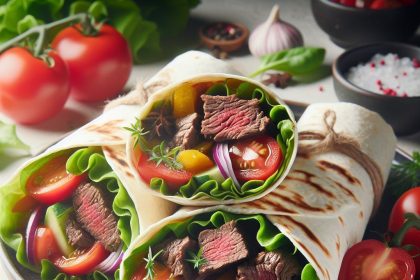
A4: Absolutely not! Beyond soups and stews, beef beans can star in hearty chili, baked casseroles, or even as a filling for stuffed peppers or tacos. Their versatility invites creativity-whether you’re serving a rustic bowl for dinner or an innovative appetizer at a gathering.
Q5: What spices and aromatics enhance the flavor of beef beans without overpowering them?
A5: Aromatics like garlic, onions, and bay leaves set a fragrant foundation, while spices such as cumin, smoked paprika, and black pepper add warmth and complexity. A touch of fresh herbs, like thyme or rosemary, can brighten the dish and round out the rich flavors of beef and beans without overshadowing them.
Q6: Can beef beans be made ahead for meal prep or gatherings?
A6: Absolutely! Beef beans taste even better the next day, as the flavors meld beautifully over time. Prepare them in advance, store in airtight containers, and simply reheat. They’re perfect for meal prep or serving a crowd, delivering satisfying warmth and flavor with minimal last-minute effort.
Q7: What side dishes best complement a hearty beef beans meal?
A7: To balance the richness, try serving beef beans with a fresh green salad or steamed seasonal vegetables. Crusty bread or fluffy rice also work wonderfully to soak up every drop of the savory sauce. For texture contrast, a crisp coleslaw or a tangy pickled vegetable side can add just the right zing.
Q8: How can plant-based eaters enjoy a similar experience without beef?
A8: While this guide celebrates beef beans, plant-based kitchen adventurers can explore mushrooms or textured vegetable protein as savory, meaty substitutes. Combining them with beans and similar spices creates a satisfying umami-rich dish that echoes the hearty essence of beef beans, daydreaming of that slow-cooked depth.
Q9: What’s a simple tip for boosting both the flavor and nutrition of a beef beans recipe?
A9: Incorporate colorful veggies like bell peppers, carrots, or tomatoes. These not only contribute vibrant flavors and textures but also introduce vitamins, antioxidants, and natural sweetness that elevate the dish’s overall profile. Plus, they help turn the meal into a balanced powerhouse on your plate.
This creative and informational Q&A illuminates the magic behind beef beans-their flavor harmony, cooking tips, and delicious versatility-inviting food lovers to savor every savory bite.
In Summary
As you close this culinary compendium, remember that beef beans are more than just an ingredient-they are a tapestry of flavor, tradition, and nourishment waiting to be woven into your next meal. Whether you’re simmering a hearty stew or crafting a vibrant salad, these versatile morsels bring both protein power and palate-pleasing depth. Embrace the journey from pantry staple to savory sensation, and let every bite tell the story of comfort, culture, and creativity. So go ahead-savor the flavor, and let beef beans become your ultimate kitchen companion.