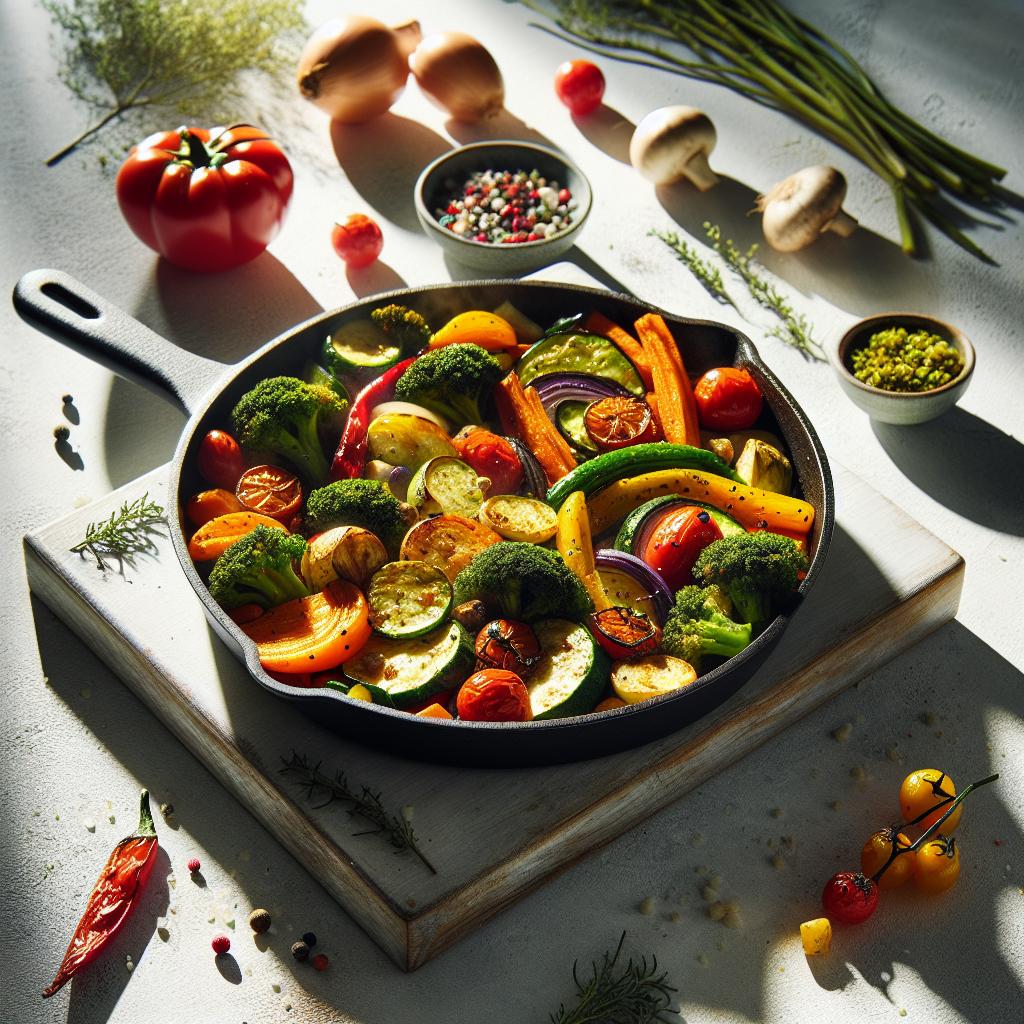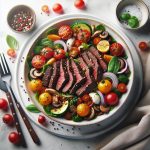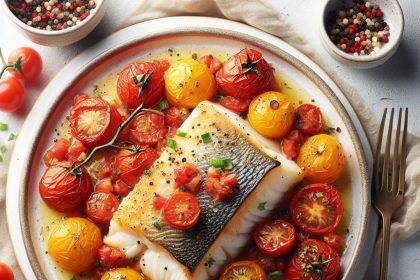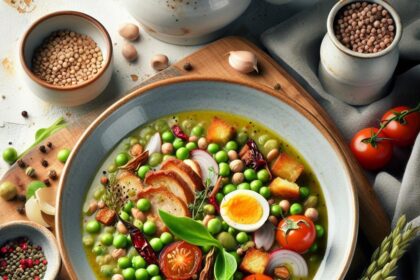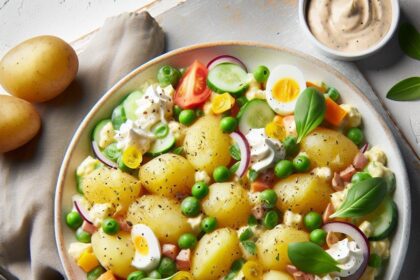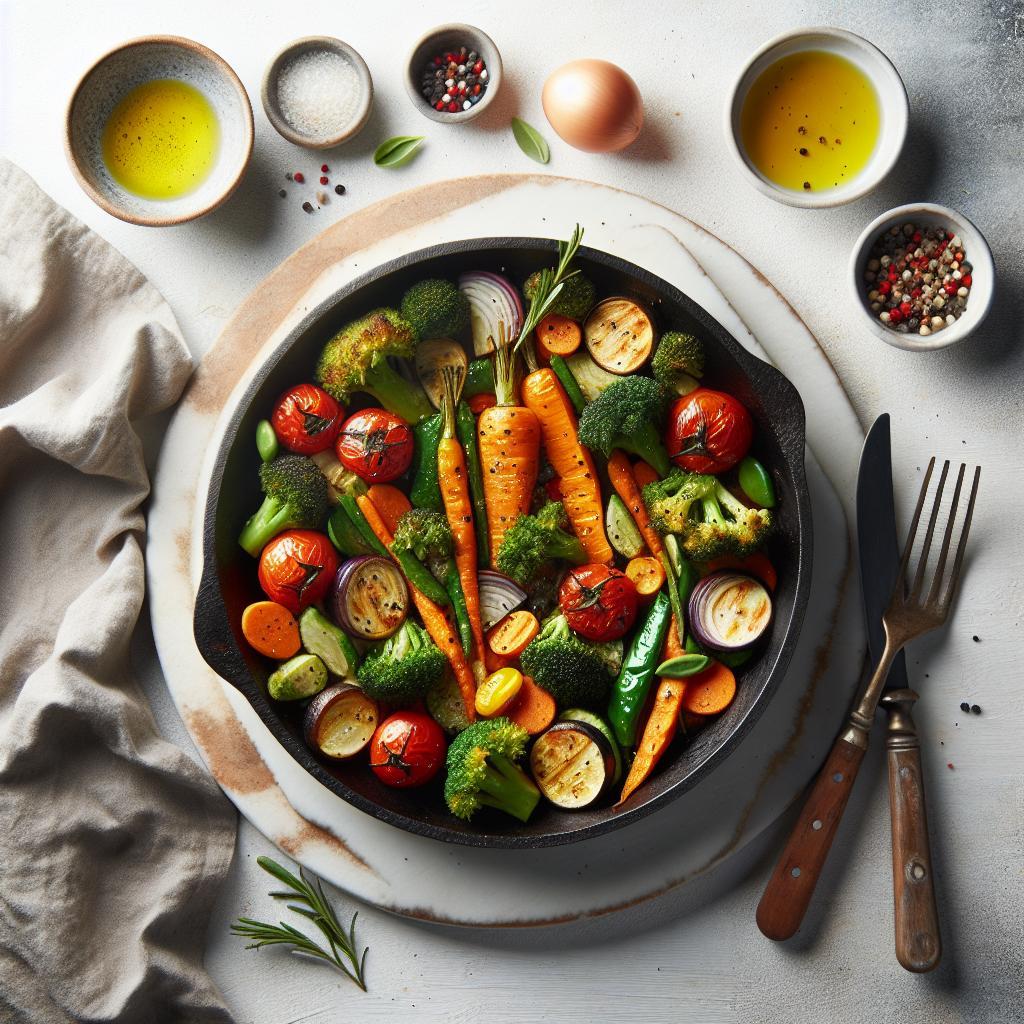

There’s something undeniably magical about the sizzle and pop of fresh vegetables hitting a hot skillet – a ritual that transforms humble ingredients into a symphony of flavors and textures. Welcome to the world of roasted veggie skillet cooking, where caramelized edges meet tender, vibrant centers, creating a dish that’s as visually stunning as it is delicious. Whether you’re a seasoned kitchen maestro or a curious home cook, this ultimate guide will unravel the secrets to mastering the art of perfectly roasted vegetables, unlocking layers of taste that elevate every meal. Prepare to savor the flavor like never before – your skillet is about to become your new favorite flavor forge.
- Choosing the Perfect Vegetables for Maximum Flavor and Texture
- Mastering the Art of Seasoning to Elevate Your Roasted Veggie Skillet
- Techniques and Tips for Achieving the Perfect Roast Every Time
- Creative Serving Ideas to Transform Your Veggie Skillet Into a Gourmet Meal
- Prep and Cook Time
- Yield
- Difficulty Level
- Ingredients
- Instructions
- Chef’s Notes & Tips for Success
- Serving Suggestions
- Q&A
- In Summary
Choosing the Perfect Vegetables for Maximum Flavor and Texture
Savor the Flavor: Ultimate Guide to Roasted Veggie Skillet begins with selecting the best vegetables to build a sensational medley bursting with depth and vibrant textures. The magic of a roasted veggie skillet lies in harmonizing crisp, tender, and sweet notes-this is where choice matters most. Opt for a colorful array: firm root vegetables like carrots, sweet potatoes, and beets bring earthy richness that caramelizes beautifully. Tender cruciferous gems such as broccoli and cauliflower add crunchy contrast and nutty undertones when roasted to golden perfection. Don’t forget the juicy pop from cherry tomatoes or bell peppers, which offer sweetness and a splash of acidity that brighten every bite.
For texture, aim for uniform cuts-bite-sized cubes or florets ensure even cooking. Mixing dense and lighter vegetables creates layers of flavor and mouthfeel, elevating your skillet from simple to stunning.
Mastering the Art of Seasoning to Elevate Your Roasted Veggie Skillet
With the right vegetables in hand, seasoning transforms this humble dish into a gourmet delight. Start with a base of high-quality extra virgin olive oil, which helps develop that coveted golden crust while enhancing natural flavors. Sprinkle with fine sea salt and freshly cracked black pepper to taste. Boost complexity with aromatic herbs like rosemary, thyme, or a sprinkle of smoked paprika for warmth and subtle earthiness.
For an extra layer of umami, consider a light dusting of garlic powder or fresh minced garlic tossed with the veggies pre-roast. If you crave a zesty kick, a squeeze of fresh lemon juice or a dash of red pepper flakes after roasting adds brightness and subtle heat, rounding out the savory profile perfectly.
Techniques and Tips for Achieving the Perfect Roast Every Time
- Preheat your oven to 425°F (220°C). A hot oven ensures quick caramelization and crisp edges without drying the veggies out.
- Use a large, rimmed baking sheet lined with parchment or a well-seasoned cast-iron skillet to avoid overcrowding. Overloading traps moisture, causing steaming rather than roasting.
- Toss vegetables evenly in olive oil and seasonings to coat all surfaces well. This step is key for uniform browning and flavor absorption.
- Arrange veggies in a single layer with space between pieces, allowing hot air to circulate.
- Roast for 25-35 minutes, turning halfway through to brown all sides evenly. Root vegetables may need the full time, while softer ones cook faster-watch closely to prevent burning.
- Test tenderness with a fork. When veggies are fork-tender inside and nicely browned on the outside, they’re ready.
- Finish with a sprinkle of fresh herbs or lemon zest for a popping fresh flavor just before serving.
Creative Serving Ideas to Transform Your Veggie Skillet Into a Gourmet Meal
Once roasted to perfection, your veggie skillet becomes a canvas for creativity. Serve it atop a bed of fluffy quinoa or whole grain couscous for a nutritious, hearty base. For extra creaminess, drizzle with a garlic tahini sauce or dollop rich avocado crema. A handful of toasted nuts or seeds-think pine nuts, pumpkin seeds, or sliced almonds-adds crunch and sophistication.
Garnish with freshly chopped parsley or cilantro and a sprinkle of tangy, crumbled feta or goat cheese for contrast. Wrapped in warm pita bread or tossed with cooked pasta, these veggies shine in diverse global dishes. Try pairing with a crisp green salad or grilled chicken breast for a balanced meal anyone will admire.
For inspiration on complementary recipes, explore our guide on Best Grain Salads to Pair with Roasted Veggies or learn more about the benefits of olive oil at Healthline.
Prep and Cook Time
- Preparation: 15 minutes
- Cooking: 30 minutes
- Total Time: 45 minutes
Yield
Serves 4 as a hearty side or light main dish.
Difficulty Level
Easy – Perfect for cooks of all skill levels looking to savor delicious, wholesome meals.
Ingredients
- 2 medium carrots, peeled and cut into ½-inch rounds
- 1 large sweet potato, peeled and cubed
- 1 cup broccoli florets
- 1 cup cauliflower florets
- 1 cup bell peppers, sliced (red, yellow, or orange)
- 1 cup cherry tomatoes, halved
- 3 tablespoons extra virgin olive oil
- 1 teaspoon fine sea salt
- ½ teaspoon freshly cracked black pepper
- 1 teaspoon dried rosemary or 1 tablespoon fresh, chopped
- 1 teaspoon thyme (fresh or dried)
- 1 teaspoon smoked paprika
- 2 cloves garlic, minced (optional)
- 1 tablespoon fresh lemon juice (optional, for finishing)
Instructions
- Preheat oven to 425°F (220°C) and line a large rimmed baking sheet with parchment paper or lightly grease a cast-iron skillet.
- In a large bowl, combine all vegetables. Drizzle with olive oil and toss to coat evenly.
- Sprinkle sea salt, pepper, rosemary, thyme, smoked paprika, and garlic over the veggies. Toss thoroughly to distribute the seasoning.
- Spread the veggie mixture in a single layer on the prepared pan, ensuring pieces aren’t crowded.
- Roast for 15 minutes; then use a spatula to gently turn the vegetables for even browning.
- Return to oven and roast another 10-20 minutes, until vegetables are fork-tender and edges are caramelized.
- Remove from oven and transfer to a serving dish.
- Optionally, drizzle with fresh lemon juice and garnish with fresh herbs before serving.
Chef’s Notes & Tips for Success
- Substitution Ideas: Swap out any of the suggested vegetables with seasonal favorites like zucchini, asparagus, or Brussels sprouts for variation.
- Avoid sogginess: Make sure to dry vegetables thoroughly if washed beforehand, as excess moisture hampers crispness.
- Make-ahead: Vegetables can be prepped and cut up to 24 hours in advance-store tightly covered in the refrigerator.
- Boost flavor: After roasting, toss with a spoonful of balsamic glaze or sprinkle with toasted pine nuts for added depth.
- Leftovers: Reheat gently in a hot skillet or oven to maintain texture instead of microwaving.
Serving Suggestions
Transform your roasted veggie skillet into an elegant main with a side of quinoa or wild rice. Top with a spoonful of creamy avocado or herbaceous chimichurri sauce for a luscious finish. Garnish with crumbled feta, fresh parsley, or a sprinkle of sesame seeds for visual appeal and flavor pops. For extra heartiness, serve alongside grilled tofu or seared chicken-both absorb the vibrant veggie flavors wonderfully.
| Nutrient | Per Serving |
|---|---|
| Calories | 180 kcal |
| Protein | 4 g |
| Carbohydrates | 28 g |
| Fat | 7 g |

Q&A
Q&A: Savor the Flavor: Ultimate Guide to Roasted Veggie Skillet
Q1: What makes a roasted veggie skillet stand out from other vegetable dishes?
A: A roasted veggie skillet combines the caramelized depth of oven roasting with the quick, vibrant finish of stovetop cooking. This dual-method approach intensifies flavors, creating crispy edges with tender, juicy centers-a harmony of textures and tastes that elevates humble vegetables into a mouthwatering centerpiece.
Q2: Which vegetables are best suited for a roasted veggie skillet?
A: Root vegetables like carrots, sweet potatoes, and beets bring natural sweetness and sturdiness that roast beautifully. Bell peppers, zucchini, broccoli, and cauliflower add variety in texture and color. Firm greens like kale or Brussels sprouts crisp up wonderfully, offering a slightly smoky, nutty flavor after roasting.
Q3: How can I ensure my veggies roast evenly without turning mushy?
A: Cut your veggies into uniform pieces to allow for even cooking, and avoid overcrowding the pan to ensure proper airflow and caramelization. Toss them lightly in oil, but not so much that they’re swimming; a thin coating helps crisp the exterior. Roasting at a high temperature (around 425°F/220°C) encourages browning without moisture buildup.
Q4: What are some creative seasonings and herbs to use in a roasted veggie skillet?
A: Think beyond salt and pepper! Smoked paprika, cumin, garlic powder, and chili flakes add warmth and depth. Fresh herbs like rosemary, thyme, and oregano pair well with roasted veggies, adding fragrant notes. A squeeze of lemon or a sprinkle of nutritional yeast can also brighten and uplift the dish.
Q5: Can a roasted veggie skillet be made ahead of time?
A: Absolutely! Roast the veggies in advance and store them in an airtight container. When ready to serve, reheat in a skillet over medium heat to revive crispness. Adding fresh herbs or a drizzle of balsamic glaze just before serving can refresh flavors, making leftovers taste just as delicious.
Q6: How can I turn a roasted veggie skillet into a complete meal?
A: Boost protein by stirring in chickpeas, tofu cubes, or cooked beans just before finishing on the stovetop. Serve alongside grains like quinoa, farro, or couscous to add heartiness. A dollop of hummus or a sprinkle of toasted nuts can add creamy or crunchy contrast, rounding out the meal with satisfying layers.
Q7: Any tips for making this dish appealing to picky eaters?
A: Start with sweeter veggies like carrots and bell peppers, which often appeal to various palates. Keep seasonings simple at first-just salt, pepper, and a hint of garlic-then introduce bolder flavors gradually. Presenting colorful, vibrant veggies in a warm skillet often wins hearts (and appetites) through visual appeal and hearty aroma.
In Summary
As the final sizzle fades and your skillet cools, the vibrant colors and tantalizing aromas of your roasted veggies stand as a testament to the magic of simple, wholesome ingredients transformed by the art of cooking. Whether you’re a seasoned kitchen pro or a curious newcomer, this ultimate guide has unlocked the secrets to achieving that perfect caramelized crisp and tender heartiness in every bite. So go ahead-experiment with your favorite veggies, herbs, and spices, and let your skillet become a canvas for nutritious, flavorful creations. Savor the flavor, celebrate the process, and enjoy the satisfying harmony of roasted veggie bliss with every delicious forkful.