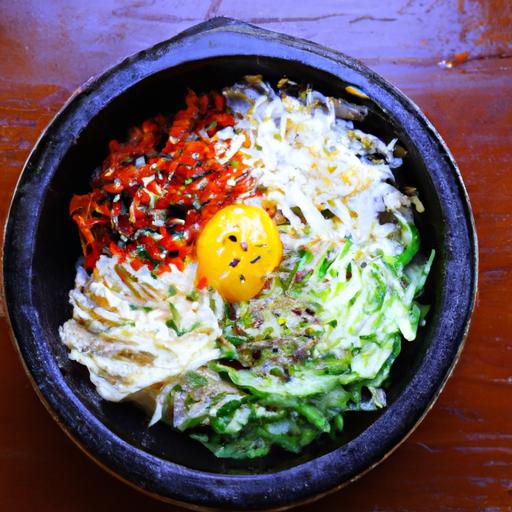

In the bustling rhythm of daily life, those humble, forgotten veggies lingering in the fridge often become an afterthought-destined for the compost or the back of a stir-fry pan. But what if those leftover scraps could leap onto your plate in a dazzling transformation, bursting with color, flavor, and nourishment? Enter bibimbap: the vibrant Korean bowl that effortlessly turns a medley of veggies into a harmonious feast. This article reveals how you can breathe new life into your produce remnants, crafting stunning bibimbap bowls that are as delicious as they are visually captivating. Say goodbye to kitchen waste and hello to a rainbow of taste, all in one bowl!
Transform Leftover Veggies into Vibrant Bibimbap Bowls
Transform leftover veggies into vibrant bibimbap bowls is a delightful way to give new life to your kitchen’s previously cooked vegetables while enjoying a classic Korean dish that celebrates harmony of flavor and texture. Originating from Korean royal cuisine, bibimbap is an artful assembly of layers that balances warm rice, sautéed and pickled vegetables, protein, and a punchy sauce. The magic lies in layering colorful veggies, each prepared to highlight its unique taste and texture, resulting in a stunning, nourishing bowl that excites the palate and pleases the eyes.
Prep and Cook Time
Preparation: 20 minutes
Cooking: 15 minutes
Total: 35 minutes
Yield
4 servings
Difficulty Level
Medium
Ingredients
- 2 cups cooked white short-grain rice (preferably day-old, for better texture)
- 1 cup assorted leftover vegetables (such as zucchini, carrots, spinach, bean sprouts, mushrooms, sliced thinly or julienned)
- 2 cloves garlic, minced
- 1 tbsp toasted sesame oil
- 1 tbsp soy sauce
- 1 tsp sugar
- 1 tbsp vegetable oil (for sautéing)
- 4 large eggs
- 2 tsp gochujang (Korean chili paste)
- 1 tbsp rice vinegar
- 1 tsp sesame seeds, toasted
- 2 scallions, thinly sliced
- 1 sheet nori, shredded (optional)
- Pickled cucumber or radish (optional, for added acidity)
Instructions
- Prepare the leftover vegetables: Rinse and pat dry any leftovers like zucchini, carrots, or spinach. If raw, blanch briefly or sauté separately with garlic and soy sauce until tender but still vibrant-about 3-4 minutes. For cooked leftovers, gently reheat tossed in sesame oil to maintain texture.
- Cook and season spinach and bean sprouts: Briefly sauté spinach with minced garlic and a pinch of salt until wilted, then set aside. Do the same with bean sprouts, adding a splash of sesame oil and soy sauce to enhance flavor.
- Prepare the rice: If your rice is freshly cooked, spread it on a tray to cool and dry slightly for better layering. Reheated or day-old rice works best due to reduced stickiness and improved chew.
- Make the sauce: In a small bowl, whisk together the gochujang, rice vinegar, sesame oil, sugar, and a dash of soy sauce until smooth and balanced between spicy, sweet, and tangy.
- Cook the eggs: In a nonstick skillet, heat vegetable oil over medium heat. Crack each egg and fry sunny-side up, allowing the yolk to remain runny. If preferred, cook to a different doneness.
- Assemble your bibimbap bowls: Place a generous scoop of rice at the base of each bowl. Artistically arrange the prepared veggies in separate piles or sections on top, creating a rainbow of colors and textures. Add the fried egg in the center.
- Garnish with: Sprinkle toasted sesame seeds, sliced scallions, shredded nori strips, and optionally pickled cucumber or radish for acidity and crunch.
- Serve with sauce on the side: Encourage mixing all elements together right before eating to enjoy the full spectrum of flavors transforming with every bite.
Chef’s Notes and Tips for Success
Leftover veggies provide the perfect canvas for creativity in bibimbap; don’t hesitate to experiment with whatever you have on hand-from roasted sweet potatoes to sautéed kale. For a vegetarian version, substitute eggs with pan-fried tofu slices or tempeh marinated in soy and sesame.
Keep your vegetables preparation separate to preserve their individual textures-crispness in cucumbers, silkiness in spinach, and earthiness in mushrooms. A good balance of seasoning in each component is essential because once mixed, they amplify each other’s flavors.
Make the gochujang sauce ahead of time to allow flavors to meld, and store in an airtight container for up to a week. Use a fine mesh strainer or blender for ultra-smooth consistency.
If the rice sticks too much, try adding a teaspoon of sesame oil before assembling. Using a bowl with a wide opening displays colorful ingredients beautifully and encourages mixing.
Serving Suggestions
Present your bibimbap bowls on a wooden tray garnished with fresh herbs like cilantro or microgreens for a fresh burst and contrast. Serve with an ice-cold cucumber kimchi or a bright ginger-lime iced tea to complement the spicy sauce. For an extra touch of authenticity, provide chopsticks alongside spoons to let your guests customize their eating experience.

| Nutritional Info (per serving) | Calories | Protein | Carbs | Fat |
|---|---|---|---|---|
| Bibimbap Bowl | 420 | 15g | 60g | 12g |
Discover more creative vegetable recipes by visiting our creative vegetable recipes collection. For deeper insights into authentic Korean ingredients and their benefits, explore the Korean Food Foundation’s guide here.
Q&A
Q&A: Transform Leftover Veggies into Vibrant Bibimbap Bowls
Q1: What exactly is Bibimbap, and why is it perfect for using leftover vegetables?
A: Bibimbap is a classic Korean dish that literally means “mixed rice.” It’s a colorful, harmonious bowl filled with rice, sautéed or fresh vegetables, protein, and a spicy sauce, all stirred together before eating. Because Bibimbap thrives on variety and texture, it’s an ideal dish for repurposing whatever vegetables you have on hand-think of it as a delicious veggie remix!
Q2: Which leftover vegetables work best in Bibimbap bowls?
A: The more vibrant, the better! Think spinach, carrots, zucchini, mushrooms, bean sprouts, bell peppers, and even kimchi if you have it. Don’t hesitate to toss in any wilted greens or roasted root veggies-transforming them into quick sautéed or pickled ribbons adds texture and flavor. The key is to prepare each veggie slightly differently to maintain distinct layers of taste.
Q3: How do you prepare leftover veggies so they shine in the bowl?
A: The secret is in contrast: sauté some veggies with garlic and sesame oil, blanch others to keep a crisp bite, and pickle a few for tang. For instance, sauté zucchini with a pinch of salt and pepper, blanch spinach and season with sesame oil, and quickly pickle carrots in rice vinegar for zip. These techniques revive the veggies fiercely, turning yesterday’s scraps into today’s gourmet ingredients.
Q4: What role does the sauce play in making leftover veggie Bibimbap spectacular?
A: The magic sauce-often gochujang (Korean chili paste) mixed with a touch of sesame oil, sugar, and vinegar-is the glue that unites all the veggie flavors. It adds a perfect balance of heat, sweetness, and umami that makes each bite pop. Don’t be shy to adjust the sauce to your taste; it’s the spark that turns ordinary bowls into vibrant feasts.
Q5: Can Bibimbap be made vegetarian or vegan when using leftover veggies?
A: Absolutely! Bibimbap is naturally adaptable. For vegan bowls, substitute the traditional fried egg with tofu scramble or sautéed mushrooms and skip any animal-based broths. The abundance of seasoned veggies and that signature spicy sauce will keep your bowl packed with flavor and nutrition.
Q6: Any tips for assembling a visually stunning Bibimbap bowl from leftovers?
A: Presentation is half the feast! Arrange each vegetable in neat, colorful sections around a central mound of steamed rice. Add your protein or egg on top, sprinkle toasted sesame seeds and sliced green onions, then drizzle the sauce. The kaleidoscope of colors not only dazzles the eyes but also signals a spectrum of flavors to come.
Q7: How can I store leftover Bibimbap or its components?
A: Keep veggies and rice separately in airtight containers to prevent sogginess. The sauce can be refrigerated in a small jar. When ready to enjoy, reheat the rice and veggies gently, then assemble and add fresh sauce. This ensures every bowl tastes freshly vibrant-no soggy surprises here!
Transforming leftover veggies into a vibrant Bibimbap bowl is an artful way to celebrate your kitchen’s sustainability and creativity. With simple techniques and the right flavors, yesterday’s scraps become today’s culinary masterpiece!
To Conclude
As the vibrant colors of your bibimbap bowl come together, you’ll realize that leftover veggies are not just remnants-they’re the heart of a culinary masterpiece waiting to happen. Transforming what might have been forgotten into a dish bursting with flavor and nutrition is more than just cooking; it’s an artful celebration of resourcefulness and creativity. So next time your fridge offers a medley of forgotten greens and roots, let them inspire your next bibimbap adventure. After all, every bowl tells a story-make yours colorful, sustainable, and delicious.