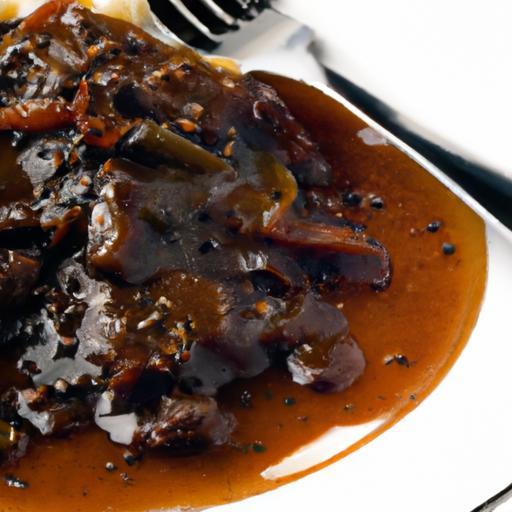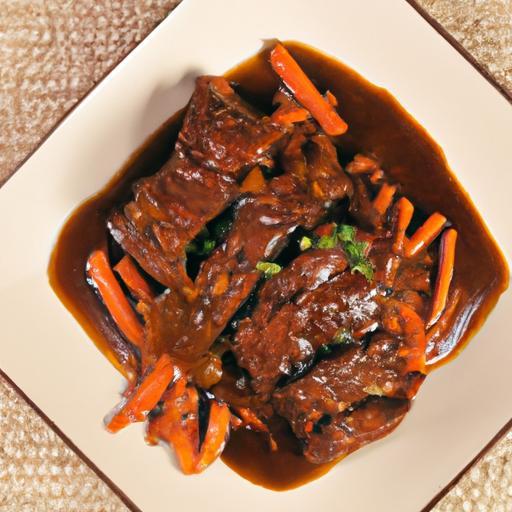

There’s a secret in the kitchen that transforms ordinary sauces into silky masterpieces: less liquid, more magic. Thicken your sauce, and you unlock a world where flavor deepens, textures delight, and every bite tells a richer story. Whether you’re simmering a hearty stew or drizzling a delicate pan sauce, mastering the art of reducing liquid isn’t just a technique-it’s a flavor revolution. In this article, we’ll explore how to harness the power of thickening, revealing simple tips and tricks that turn your sauces from bland to bold, from runny to ravishing. Get ready to stir, simmer, and savor like never before!
Thicken Your Sauce: Master Less Liquid for Richer Flavor
Thicken your sauce is the culinary magic that transforms everyday liquids into rich, velvety accompaniments, elevating dishes to gourmet status. Whether crafting a luscious béchamel or a robust red wine reduction, understanding how to manage less liquid while boosting flavor is key to sauce mastery.
Prep and Cook Time
Preparation: 10 minutes Cooking: 20-30 minutes
Yield
Serves 4 generously
Difficulty Level
Medium – perfect for cooks ready to deepen their sauce skills
Ingredients
- 2 cups chicken or vegetable stock, preferably homemade
- 2 tbsp unsalted butter
- 2 tbsp all-purpose flour, sifted
- 1/2 cup heavy cream or full-fat coconut milk
- 1 shallot, finely minced
- 2 cloves garlic, minced
- 1 tsp Dijon mustard
- Salt and freshly ground black pepper, to taste
- Fresh herbs (thyme or tarragon), finely chopped, optional
- 1 tbsp red wine or balsamic vinegar (optional)
Instructions
- Start with a roux: In a medium saucepan over medium heat, melt the butter until foaming. Sprinkle the sifted flour evenly and whisk continuously to form a smooth paste. Cook until it turns a light golden hue, about 2-3 minutes, which ensures a nutty flavor without raw flour taste.
- Sauté aromatics: Add the minced shallot and garlic to the roux, stirring constantly to avoid burning. Sauté until tender and fragrant, about 2 minutes, infusing the base with depth.
- Gradually add stock: Slowly pour in the chicken or vegetable stock while whisking vigorously to prevent lumps. Bring the mixture to a simmer, stirring often. This gradual incorporation creates a smooth texture essential for thickening your sauce.
- Simmer and reduce: Allow the sauce to simmer gently, reducing the liquid by roughly one-third. This process naturally concentrates flavor without the need for additional thickeners. Stir occasionally to avoid scorching.
- Incorporate cream and season: Stir in the heavy cream and Dijon mustard. Simmer an additional 3-5 minutes until the sauce achieves a luscious, velvety consistency. Season thoughtfully with salt, pepper, and, if using, fresh herbs or a splash of vinegar for balanced brightness.
- Adjust thickness if needed: For a thicker sauce, whisk in extra flour slurry (1 tsp flour mixed with 1 tbsp cold water), adding slowly and cooking for another minute until desired body is reached.
- Serve and garnish: Remove from heat and transfer to warm serving bowls. Garnish with finely chopped herbs or a light drizzle of high-quality olive oil for a glossy finish.
Tips for Success
- Choosing the right thickening agent is crucial-roux provides a smooth, classic texture, while cornstarch slurry or arrowroot works for gluten-free alternatives.
- When reducing liquids, use moderate heat to prevent bitterness caused by over-concentration.
- Always whisk continuously when adding thickening agents to avoid grainy clumps.
- For richer flavor, incorporate umami boosters like mushroom powder or a splash of soy sauce, especially when using vegetable stock.
- Make-ahead friendly: Prepare the sauce base, cool, and refrigerate for up to three days. Reheat gently with a splash of stock to refresh consistency.
Serving Suggestions
This richly thickened sauce pairs beautifully with roasted meats such as chicken, beef, or pork. It also elevates vegetable mains like grilled asparagus or sautéed mushrooms. Serve atop mashed potatoes or creamy polenta for a decadent comfort meal. Garnish with fresh herbs or a sprinkle of toasted nuts for texture contrast.
| Nutritional Info (per serving) | Calories | Protein (g) | Carbs (g) | Fat (g) |
|---|---|---|---|---|
| Sauce Only | 120 | 2 | 6 | 9 |

Discover more flavor-enhancing techniques by exploring our Ultimate Guide to Homemade Sauces. Enhance your culinary knowledge and bring out the best in every dish!
For the scientific foundation of sauce thickening, visit Science of Cooking to delve deeper into the chemistry of thickening agents.
Q&A
Q&A: Thicken Your Sauce – Master Less Liquid for Richer Flavor
Q1: Why does using less liquid make my sauce taste richer?
A1: When you reduce the amount of liquid in a sauce, you concentrate the flavors, making every spoonful burst with more intensity. Less liquid means less dilution of your herbs, spices, and base ingredients-so the taste stands out stronger and more vibrant.
Q2: What are some simple techniques to thicken sauce without adding flour?
A2: Great question! You can reduce the sauce by simmering it gently until it thickens naturally, or stir in ingredients like mashed vegetables, pureed beans, or nut butters. Even a touch of cold butter whisked in at the end can enrich and subtly thicken the sauce for a velvety finish.
Q3: Can I thicken a sauce just by simmering, and how long does that take?
A3: Absolutely! Simmering slowly evaporates water, naturally concentrating the flavors and texture. The exact time depends on your sauce’s volume and heat level, but plan for at least 10-20 minutes on low heat. Keep stirring occasionally to prevent sticking and watch your sauce transform into a luscious glaze.
Q4: How does the thickness of a sauce affect the overall dish?
A4: Thickness changes not just texture, but perception. A richly thickened sauce clings better to your ingredients, allowing each bite to be perfectly coated with flavor. It also creates a more satisfying mouthfeel, elevating simple dishes into unforgettable meals.
Q5: Are there any quick hacks for thickening sauce when you’re short on time?
A5: Yes! Toss in a teaspoon of cornstarch or arrowroot mixed with cold water to avoid lumps. Alternatively, blend up a small portion of cooked sauce ingredients and stir it back in-this adds body instantly. Just remember to add thickeners gradually to achieve just the right consistency.
Q6: Does the type of liquid I use affect how thick my sauce can get?
A6: Definitely. Broths and wines tend to thin out sauces more than cream or tomato bases, which naturally lend themselves to thicker textures. Also, liquids with natural gelatin from bones or cartilage (like homemade stock) will create a luscious, rich mouthfeel when reduced.
Q7: How can I avoid over-thickening my sauce?
A7: Patience and careful observation are key. Remove the sauce from heat just before it reaches your desired thickness-the sauce will continue to thicken slightly as it cools. If it gets too thick, stir in a splash of liquid gradually until you reach perfection.
Q8: How does thickening sauce enhance the aroma?
A8: As you reduce liquids, volatile aromatics become more concentrated, filling your kitchen with richer, deeper scents. The fragrant bouquet signals a more intense flavor waiting to delight your palate, turning cooking into a sensory celebration.
By mastering the art of less liquid and natural thickening, your sauces will elevate every dish, transforming the simple into sensational. Happy saucing!
In Conclusion
Mastering the art of thickening sauces is more than just a kitchen skill-it’s a gateway to unlocking deeper, richer flavors that transform every dish from ordinary to extraordinary. By learning to use less liquid and harnessing the power of reduction, starches, and clever emulsifiers, you gain control over texture and taste, crafting sauces that cling lovingly to your food. So next time you’re simmering away, remember: less can truly be more. Embrace the thickening techniques, and watch your sauces become the luscious heart of your culinary creations.