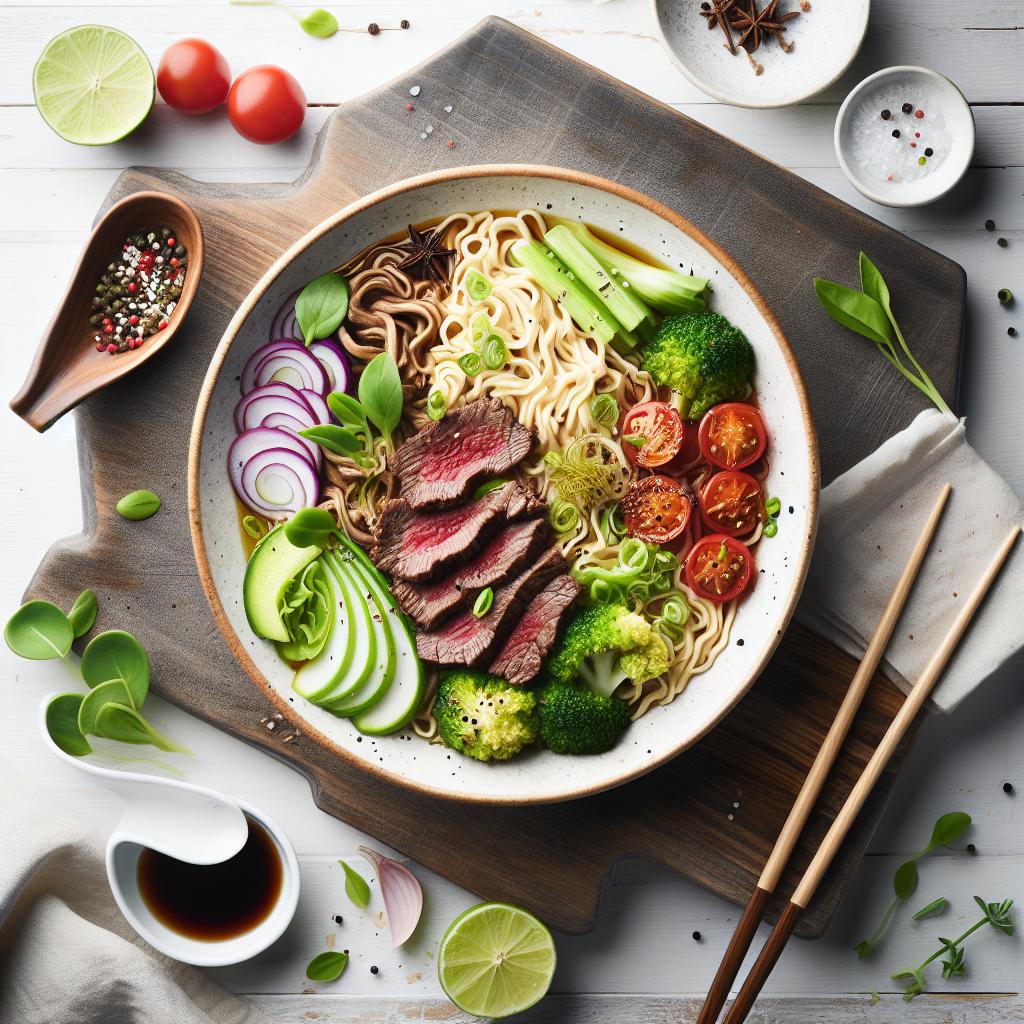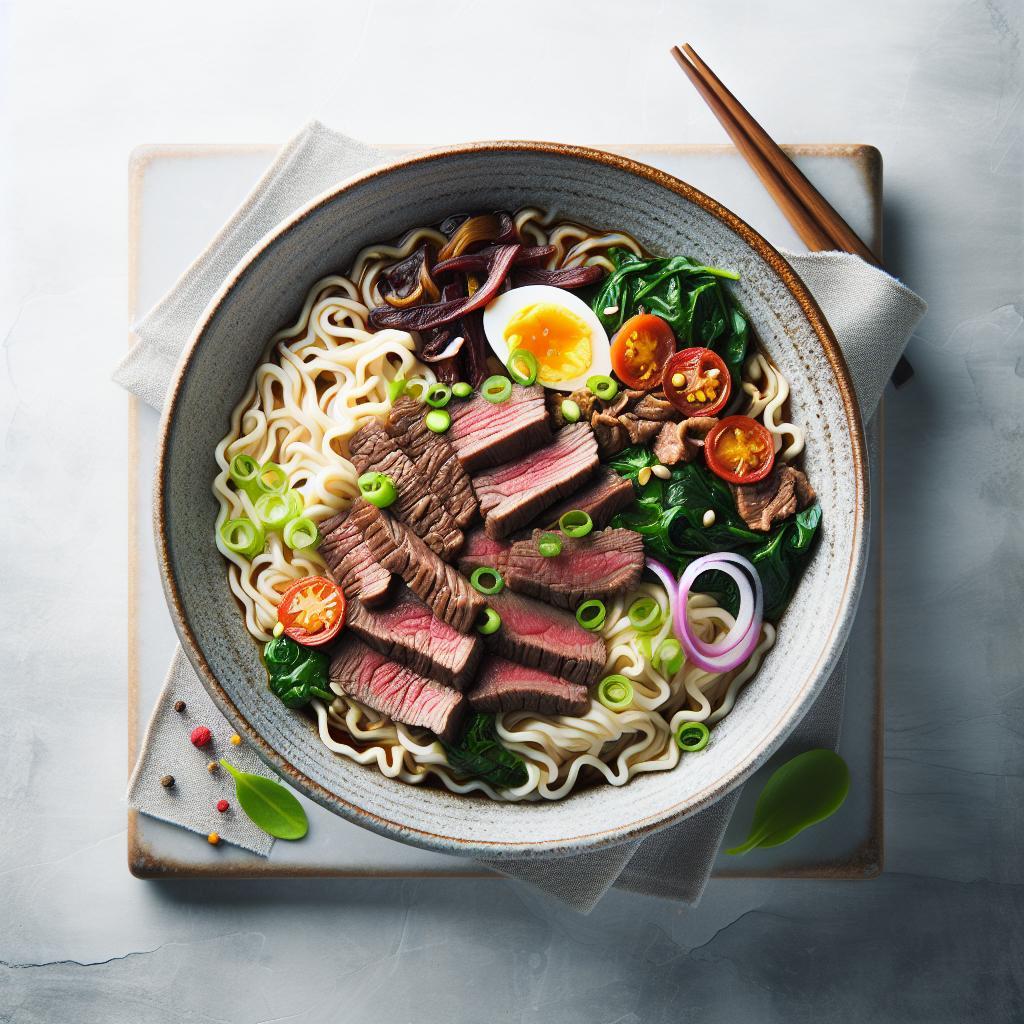

In the heart of culinary traditions around the world, few dishes boast the comforting allure and vibrant complexity of beef noodles. This beloved bowl is more than just a meal; it’s a rich tapestry woven from tender cuts of beef, fragrant spices, and perfectly chewy noodles, simmering together to create a symphony of flavors that captivate the senses. From bustling street markets to cozy family kitchens, savoring beef noodles is a journey-a flavorful exploration that honors heritage, craftsmanship, and the simple joy of slow-cooked goodness. Join us as we dive into the savory depths of this iconic dish, uncovering the secrets behind its sumptuous taste and enduring appeal.
Savoring Beef Noodles begins with mastering the broth-a luscious elixir brimming with depth and character that sets the stage for an unforgettable bowl. Rooted in Asian culinary traditions, this dish offers a soul-warming experience that evolves beautifully with every spoonful. The secret lies in a harmonious balance of rich, slow-simmered beef broth, noodles that offer the perfect bite, and toppings that bring textural contrast and dazzling flavor twists.
Prep and Cook Time
- Preparation: 25 minutes
- Cook Time: 3 hours 15 minutes
- Total Time: 3 hours 40 minutes
Yield
Serves 6 generous bowls
Difficulty Level
Medium – Ideal for passionate home cooks ready to elevate their broth skills
Ingredients
- 3 lbs beef shank or stew beef, cut into large chunks
- 8 cups cold water
- 1 large yellow onion, quartered
- 4 cloves garlic, smashed
- 2-inch piece ginger, sliced thin
- 4 star anise pods
- 2 cinnamon sticks
- 1 tablespoon black peppercorns
- 1 tablespoon sea salt
- 2 tablespoons soy sauce (or tamari for gluten-free)
- 1 tablespoon rock sugar or brown sugar
- 400g fresh or dried wheat noodles, cooked according to package instructions
- Optional garnishes: chopped scallions, cilantro leaves, pickled mustard greens, sliced red chili, and fresh lime wedges
Instructions
- Blanch the beef: In a large pot, cover the beef chunks with cold water. Bring to a rolling boil, then blanch for 5 minutes to remove impurities. Drain and rinse the beef under cold water, cleaning the pot for the broth.
- Build the broth base: Return the cleaned beef to the pot and add 8 cups fresh cold water. Add the quartered onion, garlic, ginger, star anise, cinnamon sticks, and peppercorns. Bring to a boil, then reduce to a rolling simmer.
- Simmer low and slow: Keep the broth at a gentle simmer for 3 hours, uncovered, skimming off any scum or excess fat every 30 minutes. This slow cooking releases rich gelatin and flavor from the beef bones.
- Season with finesse: After 3 hours, add salt, soy sauce, and rock sugar. Stir well and simmer another 10 minutes. Taste and adjust seasoning, ensuring the broth sings with a perfect balance of savory, sweet, and aromatic notes.
- Strain and refine: Carefully strain the broth through a fine-mesh sieve into a clean pot. Discard solids. For an ultra-clear broth, strain again through a cheesecloth.
- Prepare noodles: Cook noodles until just tender, rinse under cold water to stop cooking, and drain well. This retains their springy texture, essential for complementing the rich broth.
- Assemble the bowl: Place a serving of noodles into deep bowls, ladle piping hot broth over them, allowing it to envelop the noodles. Add slices of tender simmered beef or brisket if desired.
- Top with texture: Garnish liberally with freshly chopped scallions, cilantro, pickled mustard greens, sliced red chilies for heat, and lime wedges for brightness. Each topping lifts the bowl to new flavor heights.
- Final flourish: Serve immediately with chopsticks and a soup spoon to savor the interplay of tender beef, silky broth, and vibrant garnishes.
Tips for Success
- Choose your beef wisely: Shank or other marrow-rich cuts provide exceptional broth flavor and gelatinous mouthfeel.
- Skimming is key: Periodically remove foam and fat for a cleaner, more visually appealing broth.
- Layer your aromatics: Toasting the star anise and cinnamon lightly before adding can intensify their fragrance.
- Noodle care: Avoid overcooking noodles; rinsing in cold water post-cook prevents sogginess and keeps chewaterss alive.
- Make-ahead magic: Beef broth tastes better the next day-cool completely, refrigerate overnight, and skim hardened fat before reheating.
- Custom twists: Swap scallions for fresh Thai basil or add a dash of chili oil for a spicy kick.
Serving Suggestions
Present your beef noodle bowls in warm, wide-rimmed bowls to showcase the glistening broth and noodles. Scatter vibrant green scallions and fragrant cilantro over the top, nestle thinly sliced brisket or tendons alongside, and offer small dishes of pickled vegetables and fresh lime wedges on the side. Invite guests to squeeze lime juice and add chili to taste, crafting their perfect mouthwatering bite. This interactive approach not only excites the palate but also honors the communal spirit of enjoying beef noodles.
| Nutrient | Per Serving |
|---|---|
| Calories | 420 kcal |
| Protein | 38 g |
| Carbohydrates | 45 g |
| Fat | 12 g |

For a complementary deep dive into noodle varieties perfect for broths like this, see our guide on Ultimate Guide to Asian Noodles. To explore the science behind building flavor-rich broths, the Serious Eats Broth Guide is an authoritative resource.
Q&A
Q&A: Savoring Beef Noodles: A Rich Journey Through Flavorful Bowls
Q1: What makes beef noodles a beloved comfort food around the world?
A1: Beef noodles captivate food lovers with their harmonious blend of fragrant broth, tender beef, and chewy noodles. The depth of flavor forged through slow-cooked beef, aromatic spices, and fresh herbs creates a comforting bowl that satisfies both body and soul, making it a treasured comfort food across cultures.
Q2: How do regional variations influence the flavor profile of beef noodle dishes?
A2: Different regions bring their culinary heritage and local ingredients into beef noodles, leading to delightful variations. For instance, Taiwanese beef noodle soup often features a rich soy-based broth infused with star anise and ginger, while Sichuan-style beef noodles might emphasize bold, spicy chili notes. These variations offer a flavorful journey through distinctive cultural landscapes.
Q3: What cuts of beef work best for creating a rich and tender noodle soup?
A3: Cuts like beef shank, brisket, and oxtail are ideal for beef noodle soups because their collagen-rich connective tissues break down slowly during cooking, resulting in a deeply savory broth and melt-in-your-mouth beef textures. These cuts add layers of richness and a satisfying mouthfeel to every bowl.
Q4: Can the noodles themselves affect the overall experience of the dish?
A4: Absolutely! The texture and thickness of noodles play a crucial role. Chewy wheat noodles are preferred for their ability to absorb broth flavors while maintaining a pleasant bite. Some variations use hand-pulled noodles that add an artisanal touch, making each slurp a delightful interplay between broth, beef, and noodle.
Q5: What are some key aromatics and spices that elevate beef noodle soup?
A5: Aromatics such as garlic, ginger, and scallions lay the flavor foundation. Spices like star anise, cinnamon, and dried chilies introduce layers of warmth and complexity. These ingredients slowly mingle with the beef as it simmers, creating a fragrant and richly nuanced broth.
Q6: How can home cooks replicate the depth of flavor found in restaurant-style beef noodles?
A6: Patience is the secret. Slow simmering the beef with bones and aromatics allows the flavors to meld and intensify. Attention to layering flavors-from browning beef to fresh herbs added at the end-builds complexity. Using quality beef and fresh ingredients also ensures every bowl delivers that authentic, comforting richness.
Q7: Are there creative ways to customize beef noodles without losing their classic essence?
A7: Certainly! Adding fresh vegetables like bok choy, spinach, or napa cabbage introduces freshness and balance. Exchange traditional noodles for gluten-free or whole wheat varieties to suit dietary needs without sacrificing comfort. Experimenting with broth thickness-lighter or more concentrated-can tailor the bowl to personal preference while honoring the dish’s soul.
Q8: What cultural significance do beef noodles hold beyond their delicious taste?
A8: Beef noodles often serve as more than sustenance-they are symbols of home, family, and shared memories. Whether enjoyed at festive gatherings or a quiet meal after a long day, these bowls connect people to heritage and tradition, making every spoonful a flavorful story of connection and identity.
The Way Forward
As the last slurps of tender beef and fragrant broth fade from the bowl, the experience of savoring beef noodles lingers far beyond the palate. This rich journey through flavorful bowls reveals not just a dish, but a cultural tapestry woven with history, tradition, and passion. Each bite tells a story-of slow-simmered broths, hand-pulled noodles, and spices that awaken the senses-inviting us to appreciate the art behind every steaming bowl. Whether enjoyed on a bustling street corner or in a cozy kitchen, beef noodles remain a timeless celebration of flavor, comfort, and culinary heritage waiting to be explored again and again.