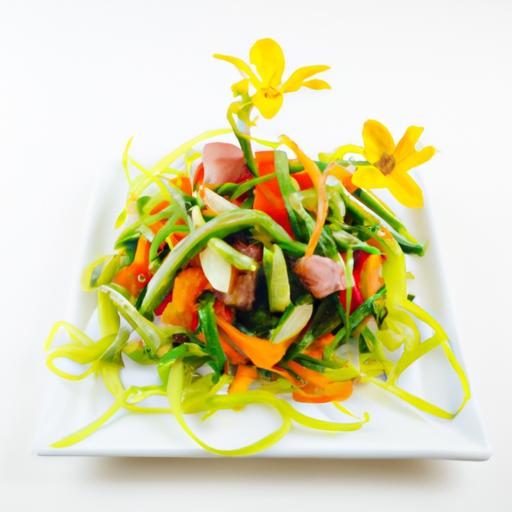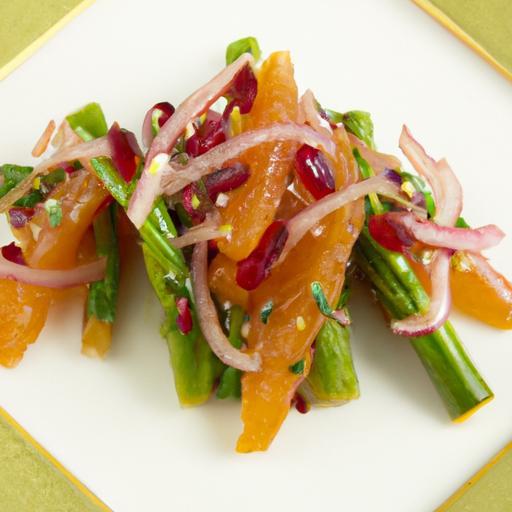

There’s a certain magic that unfolds when fresh produce meets the right cooking technique-an alchemy that transforms vibrant fruits and crisp vegetables into unforgettable dishes bursting with flavor. As the seasons change, so do the bounty and character of the harvest, inviting us to explore new tastes and textures. In this article, we unveil our top way to cook fresh produce, a method that not only honors the natural essence of each ingredient but also elevates your culinary experience. Join us on a flavorful journey where every bite celebrates the rhythm of the seasons and the artistry of simple, thoughtful cooking.
Savor the Seasons: Our Top Way to Cook Fresh Produce
Savor the Seasons: Our Top Way to Cook Fresh Produce is the ultimate approach to elevating the natural brilliance of fruits and vegetables at their peak. Long celebrated by chefs and home cooks alike, this method balances heat, texture, and time to unlock vibrant flavors while preserving essential nutrients.
My inspiration comes from summer afternoons spent harvesting garden vegetables, eager to share their freshness with family. With this technique, each bite bursts with the essence of freshly picked produce – tender yet crisp, juicy yet rich – making every meal a celebration of nature’s bounty.
Prep and Cook Time
- Preparation: 15 minutes
- Cooking: 20 minutes
- Total: 35 minutes
Yield
Serves 4 as a vibrant side dish or light entrée
Difficulty Level
Easy – Suitable for cooks of all skill levels
Ingredients
- 2 cups baby zucchini, sliced diagonally
- 1 cup heirloom cherry tomatoes, halved
- 1 cup sweet corn kernels, fresh or frozen
- 1 medium bell pepper, thinly sliced
- 1 small red onion, thinly sliced
- 2 cloves garlic, minced
- 2 tbsp extra virgin olive oil
- 1 tbsp fresh lemon juice
- 1 tsp sea salt
- ½ tsp freshly ground black pepper
- 1 tbsp fresh basil leaves, chopped
- 1 tsp honey (optional, enhances sweetness)
Instructions
- Preheat a large non-stick skillet over medium heat. Add 1 tbsp olive oil and swirl to coat the surface evenly.
- Sauté the sliced zucchini and bell pepper for 5 minutes until they start turning tender but keep a slight bite. Stir occasionally to prevent sticking.
- Add the red onion and garlic to the skillet. Cook for 3 minutes, stirring gently so the garlic turns fragrant but doesn’t brown.
- Toss in the cherry tomatoes and corn kernels. Cook for another 4 minutes, stirring often until the tomatoes release their juices and corn is tender.
- Season the vegetables with sea salt, black pepper, and an optional drizzle of honey to balance acidity. Stir carefully to combine flavors without breaking down the tomatoes.
- Remove from heat and stir in the fresh lemon juice and basil leaves. The acidity brightens the dish, and the basil adds a fresh herbal note.
- Drizzle with the remaining olive oil just before serving for a luscious finish and enhanced mouthfeel.
Tips for Success
- Use fresh and firm produce to ensure optimal texture. Overripe fruits can turn mushy quickly.
- Adjust cooking time slightly depending on the size of your vegetable cuts; thicker slices require marginally longer.
- For an added crunch, sprinkle toasted pine nuts or sliced almonds before serving.
- To make this dish vegan-friendly, omit the honey or replace it with agave syrup.
- Try oven roasting winter vegetables like delicata squash or Brussels sprouts using the same seasoning ratios for seasonal variety.
- Make-ahead tip: Prepare vegetables up to step 5, then cool and refrigerate. Reheat gently with fresh lemon juice and herbs before serving.
Serving Suggestions
This dish pairs beautifully with grilled chicken or pan-seared fish, adding a refreshing, nutrient-packed contrast. For a vegetarian option, spoon the sautéed medley over creamy polenta or alongside herbed quinoa. Garnish with microgreens, an additional basil sprig, or a light sprinkle of crumbled feta cheese for visual appeal and flavor depth.

| Nutrition per Serving | Calories | Protein (g) | Carbs (g) | Fat (g) |
|---|---|---|---|---|
| Vegetable Medley | 110 | 3 | 15 | 6 |
For deeper insights about seasonal fruits and vegetables, visit USDA Seasonal Produce Guide. To explore other delightful vegetable preparations, check our in-depth Perfect Roasted Vegetables Guide.
Q&A
Q&A: Savor the Seasons – Our Top Way to Cook Fresh Produce
Q1: Why is it important to savor the seasons when cooking with fresh produce?
A1: Savoring the seasons means embracing the natural rhythm of our environment. Fresh produce harvested at its peak is bursting with flavor, nutrients, and vibrant color. Cooking with seasonal ingredients not only delights your palate but also supports sustainable farming and local communities. Plus, it inspires creativity in the kitchen by encouraging you to explore what’s freshest and most abundant right now.
Q2: What’s the top way to cook fresh produce to truly savor its seasons?
A2: The secret lies in simple, mindful cooking methods that celebrate rather than mask natural flavors. Roasting, steaming, or lightly sautéing fresh fruits and vegetables lets their inherent sweetness, earthiness, and brightness shine through. For example, roasting caramelizes summer tomatoes or fall root vegetables, enhancing their depth and sweetness without overwhelming them with complex sauces or spices.
Q3: Can you share a versatile technique to enhance fresh produce all year round?
A3: Absolutely! Learning to roast with olive oil, sea salt, and a touch of freshly cracked black pepper is a game-changer. This technique brings out the best in nearly any vegetable-whether it’s tender asparagus in spring or hearty butternut squash in autumn. The key is to cook just until tender and golden, preserving texture and maximizing natural flavor.
Q4: How can home cooks stay inspired to use seasonal produce throughout the year?
A4: Keep a seasonal calendar handy and frequent your local farmers’ market or community-supported agriculture (CSA) stand. Experimenting with recipes centered around seasonal stars invites you to turn cooking into a vibrant, sensory adventure. Trying new varieties you’ve never cooked before and pairing them with complementary herbs or simple dressings makes every meal feel fresh and exciting.
Q5: Is there a way to savor the seasons even when fresh produce is scarce?
A5: Yes! Preserve seasonal abundance by freezing, pickling, or drying produce at its peak. When that fresh sweetness isn’t available, these preserves serve as flavorful reminders of the season’s bounty. Reimagining preserved produce in soups, salads, or grain bowls can transport your taste buds back to sunnier days, keeping seasonal enjoyment alive year-round.
Q6: What’s the biggest takeaway for cooks wanting to savor the seasons in their kitchen?
A6: Embrace simplicity and respect for nature’s timing. Let fresh produce guide your cooking rhythm and celebrate each season’s unique gifts with open curiosity and joy. When you cook with attention and intention, every bite becomes a celebration of the earth’s generosity-turning everyday meals into seasonal feasts.
Closing Remarks
As the seasons gracefully cycle through their vibrant palettes, so too does nature offer a fresh bounty, each piece bursting with unique flavors and nutrients. By embracing the art of cooking fresh produce-whether it’s roasting crisp autumn squash, lightly steaming spring asparagus, or grilling summer tomatoes-we not only honor the rhythm of the earth but also invite wellness and joy to our tables. So next time you’re at the market or in your garden, remember: the best way to savor the seasons is to let the freshness lead your culinary journey. Cook with care, taste with curiosity, and celebrate the simple magic of nature’s gifts, one delicious dish at a time.