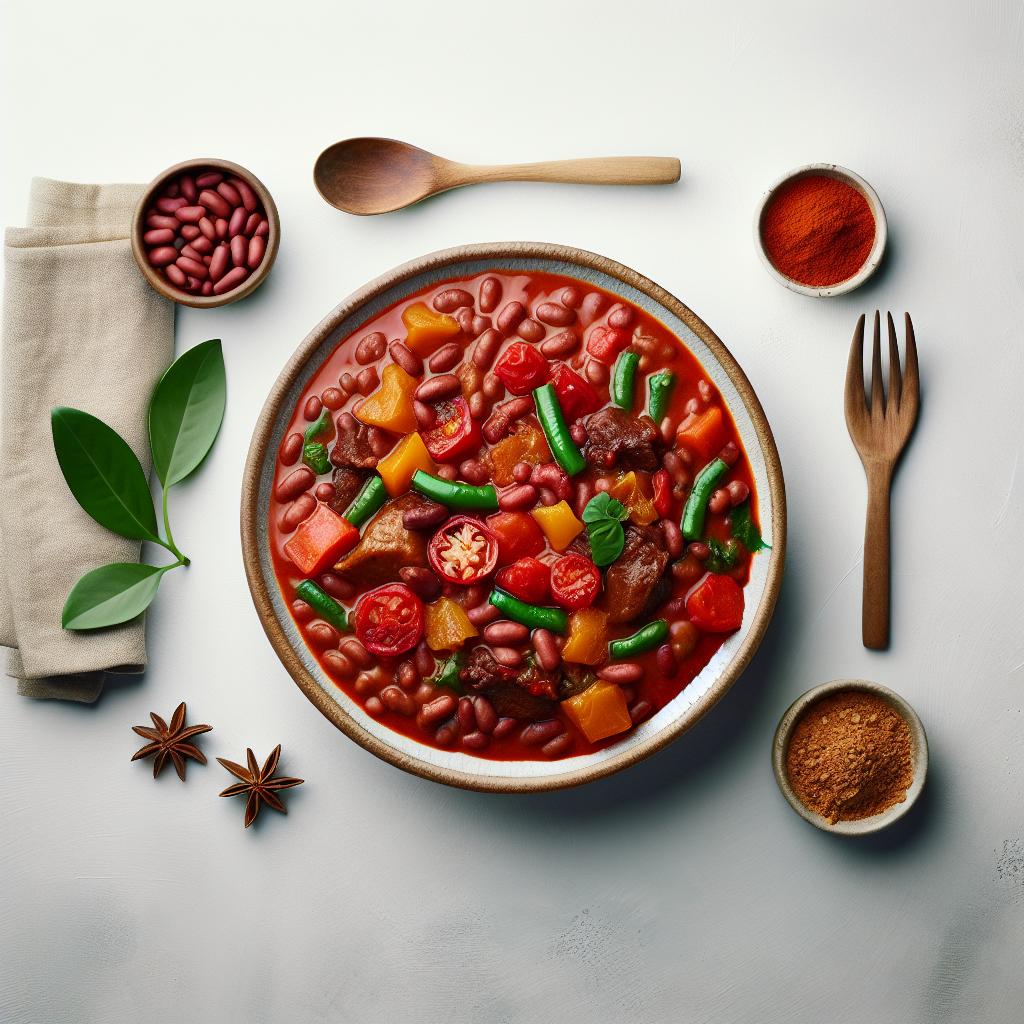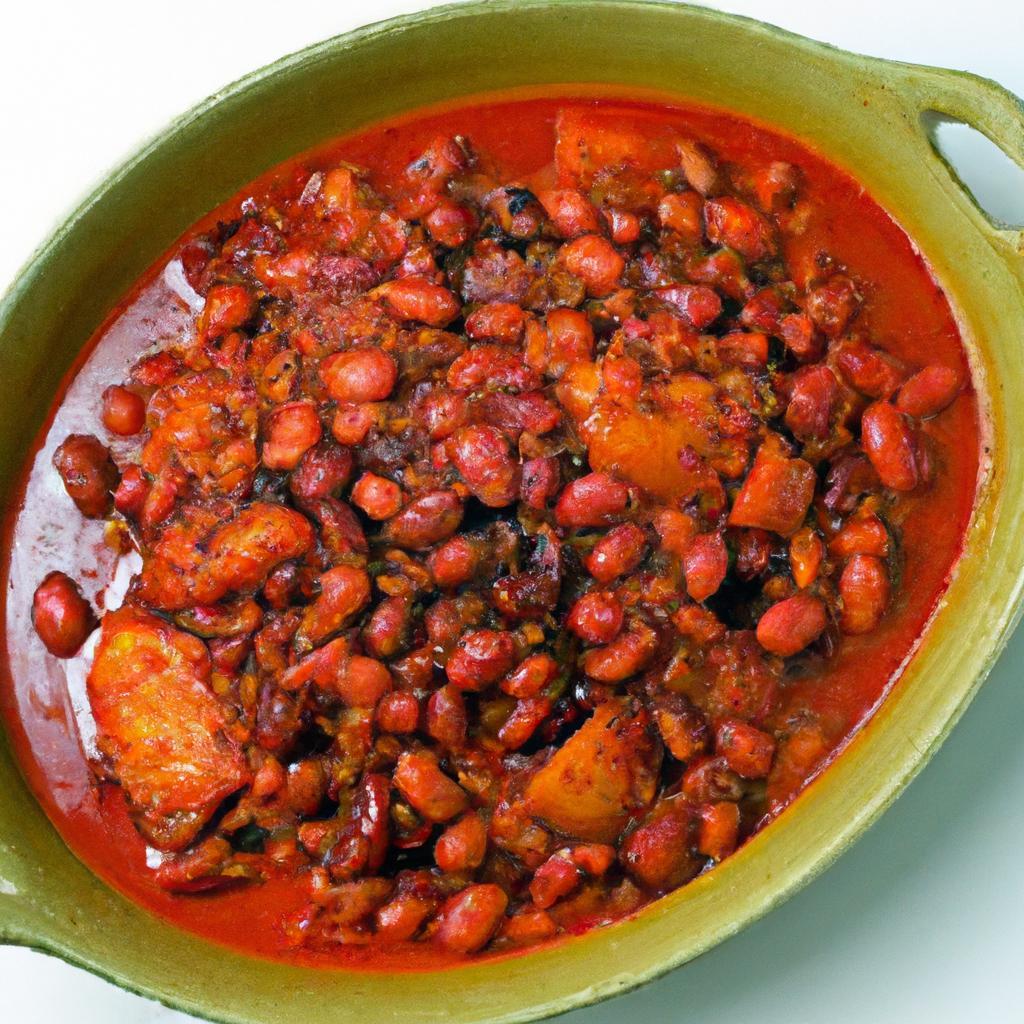

In the vibrant tapestry of Ghanaian cuisine, few dishes shine as boldly and belovedly as Red Red. This iconic bean stew, rich in history and bursting with flavor, tells a story far beyond its bright crimson hue. From humble kitchen pots to bustling street markets, Red Red has woven itself into the cultural fabric of Ghana, nourishing bodies and souls alike. Join us as we unveil the secrets behind this culinary gem, exploring its roots, ingredients, and the communal spirit that makes Red Red more than just a meal-it’s a revelation.
Origins and Cultural Significance of Red Red in Ghanaian Cuisine
Red Red Revelations: Unveiling Ghana’s Iconic Bean Stew brings you into the heart of Ghanaian culinary tradition where red red is more than just a dish-it’s a symbol of comfort, community, and cultural pride. Originating from the coastal regions of Ghana, this vibrant stew combines black-eyed peas simmered in a rich, spiced tomato base. The name “Red Red” comes from the striking red palm oil and tomato sauce, along with the red oil-fried plantains that usually accompany the meal. Historically, red red was a popular meal among fishermen and market women because of its affordability, nutritional balance, and satiating qualities. Today, it continues to embody the warmth of Ghanaian hospitality, often served during festive gatherings and family meals across the country.
Key Ingredients and Flavor Profiles that Define Red Red
At the core of the recipe lies the robust fusion of earthy black-eyed peas and the deep, smoky aroma of red palm oil. The stew’s essence is elevated with a medley of fresh tomatoes, onions, and pungent garlic, all simmered to a velvety, comforting texture. The distinctive flavor profile comes from spicy scotch bonnet peppers adding a fiery kick balanced perfectly by the sweetness of fried plantains. Hints of aromatic ginger and subtle smoked fish often feature as regional variations, introducing layers of umami depth. This harmony of ingredients crafts a stew that’s richly savory, mildly spicy, and distinctly earthy-defining the classic Ghanaian taste.
Prep and Cook Time
- Preparation Time: 20 minutes
- Cooking Time: 1 hour 10 minutes
Yield
- Serves 4-6 hearty portions
Difficulty Level
- Medium: Requires some ingredient preparation and simmering techniques
Ingredients
- 2 cups dried black-eyed peas, soaked overnight and drained
- 1/2 cup red palm oil
- 4 large ripe tomatoes, chopped
- 1 large onion, finely chopped (reserve half for frying plantains)
- 2 cloves garlic, minced
- 1 scotch bonnet pepper, finely chopped (adjust to taste)
- 1 inch fresh ginger, grated
- 1 teaspoon smoked paprika (optional for smoky depth)
- 1 teaspoon salt, or to taste
- 1 tablespoon tomato paste
- Vegetable or fish stock, 2 cups
- 2 ripe plantains, peeled and sliced diagonally
- Oil for frying plantains (vegetable or palm oil)
- Fresh cilantro or parsley for garnish
Step-by-Step Guide to Crafting the Perfect Red Red at Home
- Prepare the black-eyed peas: Drain soaked black-eyed peas, rinse thoroughly, and place them in a pot with enough water to cover by two inches. Bring to a boil, then reduce to simmer until tender but not mushy, about 45 minutes. Drain and set aside.
- Make the tomato base: Heat half of the red palm oil in a heavy-bottomed pot over medium heat. Add the chopped onions and sauté until translucent, about 5 minutes. Stir in garlic, ginger, and scotch bonnet pepper; sauté for another 2 minutes.
- Build flavor: Add chopped tomatoes and tomato paste to the pot. Cook down, stirring occasionally, until tomatoes break down and the mixture becomes thick and fragrant, about 10-15 minutes.
- Simmer the stew: Pour in the vegetable or fish stock, add the cooked black-eyed peas, smoked paprika (if using), and salt. Mix well. Reduce heat to low, cover, and allow the stew to gently simmer for 20-30 minutes, stirring occasionally. Adjust seasoning to taste.
- Prepare red red plantains: While the stew simmers, heat oil in a frying pan over medium-high heat. Fry the sliced plantains until golden brown on both sides, turning once, approximately 2-3 minutes per side. Remove and drain on paper towels.
- Final touches: Stir in the remaining red palm oil to the stew to enrich color and flavor. Add remaining raw onions for crunch if desired.
Tips for Success
- For a quicker version, canned black-eyed peas can substitute dried, but adjust cooking times accordingly.
- Red palm oil’s rich flavor is integral; avoid substituting with regular vegetable oil for the authentic depth.
- If you prefer a smokier stew, incorporate a small piece of smoked fish or dried shrimp during simmering.
- Frying plantains just right is key-use ripe but firm plantains to avoid oily mushiness.
- This stew keeps wonderfully in the fridge for 2-3 days and tastes even better after resting overnight.
Pairing Red Red with Traditional Ghanaian Sides for a Complete Meal
Red red is traditionally accompanied by its golden fried plantains, a delightful contrast of sweet and savory. For a truly authentic Ghanaian experience, serve it alongside steamed white rice or gari (fermented cassava granules), which soak up the luscious stew spectacularly. Another classic pairing is a side of fresh Ghanaian Kachumbari salad, a zingy fresh tomato and onion salad that complements the rich and spicy stew perfectly. Garnish with freshly chopped cilantro or parsley for a burst of herbal brightness. For beverages, chilled sobolo (hibiscus tea) or palm wine are wonderful traditional choices that enhance the meal’s cultural resonance.
| Nutrient | Per Serving |
|---|---|
| Calories | 430 kcal |
| Protein | 18 g |
| Carbohydrates | 55 g |
| Fat | 14 g |

Discover more about Ghanaian flavors and tradition through our Guide to Ghana’s Top Spices and enrich your culinary repertoire.
For fascinating insights into the health benefits of legumes like black-eyed peas, consult this informative resource by the Healthline Nutrition Network.
Q&A
Q&A: Red Red Revelations – Unveiling Ghana’s Iconic Bean Stew
Q1: What is Red Red, and why is it considered iconic in Ghana?
A1: Red Red is a beloved Ghanaian bean stew known for its rich, deep red color and hearty, comforting flavors. It’s iconic because it beautifully encapsulates Ghana’s culinary heritage-simple ingredients transformed into a soul-satisfying dish that brings communities together at every meal.
Q2: What are the main ingredients that give Red Red its distinct flavor and color?
A2: The signature fiery red hue comes from palm oil infused with red chili peppers. The stew usually stars black-eyed peas or cowpeas, slow-cooked with tomatoes, onions, and spices. Together, these ingredients create a vibrant, earthy blend that’s both spicy and savory.
Q3: How did Red Red get its unique name?
A3: Legend has it that the name “Red Red” reflects the double dose of redness: the red palm oil that colors the stew itself and the red fried plantains often served alongside. It’s a playful nod to both the dish and its popular accompaniment.
Q4: Is Red Red typically a vegetarian dish?
A4: Traditionally, yes! Red Red is primarily a plant-based meal, making it a hearty choice for vegetarians and vegans. However, some cooks add fish or eggs for an extra protein punch. Regardless, its essence is rooted in beans and palm oil, making it nutritious and filling.
Q5: What role does Red Red play in Ghanaian culture and everyday life?
A5: Beyond being a staple comfort food, Red Red is a culinary storyteller. It’s served at family gatherings, street festivals, and everyday meals-symbolizing warmth, community, and resilience. It’s more than sustenance; it’s a cultural emblem that honors Ghana’s agricultural roots and vibrant tastes.
Q6: Can Red Red be adapted for international palates?
A6: Absolutely! While the authentic recipe relies on palm oil’s unique flavor, cooks worldwide experiment with substitutes while preserving the stew’s spirit. Adding different spices or serving it with rice or bread instead of plantains can introduce Red Red’s rich heritage to global tables, inviting everyone to share in Ghana’s delicious secret.
Q7: What’s the best way to enjoy Red Red for first-timers?
A7: Dive in with warm, crispy fried plantains and perhaps a side of garri or steamed rice. The contrasting textures and flavors highlight Red Red’s hearty stew and slightly sweet, caramelized bananas, making every bite a revelation of Ghanaian culinary tradition.
This Q&A offers a flavorful glimpse into Red Red, inviting readers to savor not just the dish but its stories and cultural significance, making it an unforgettable embarkation on Ghana’s gastronomic journey.
Concluding Remarks
As the final spoonful of Red Red lingers on the palate, it’s clear that this vibrant stew is more than just a meal-it’s a sensory journey through the heart of Ghanaian culture. From its rich blend of hearty beans, smoky palm oil, and tender plantains, Red Red reveals stories of tradition, community, and culinary artistry passed down through generations. Whether served at bustling street corners or family gatherings, this iconic dish continues to unite and inspire, reminding us that food is not merely sustenance but a flavorful tapestry woven with history and heart. So next time you savor Red Red, know that you’re tasting a beloved chapter of Ghana’s soul-one that invites you to explore, appreciate, and celebrate the vibrant essence of its people.