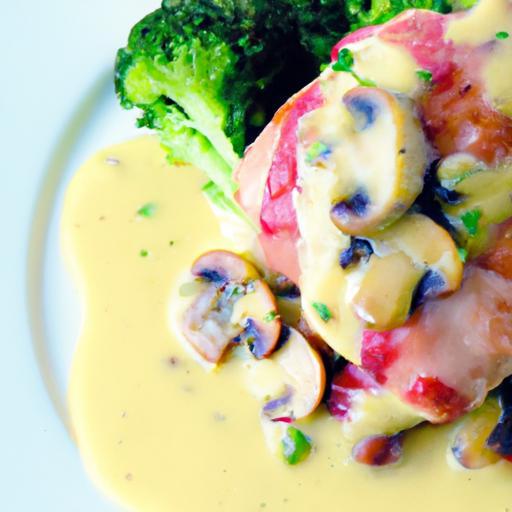

In the vibrant world of culinary arts, every masterpiece begins with a foundation-an elemental base from which flavors flourish and dishes transform. Among these building blocks, the mother sauces stand as timeless pillars, quietly orchestrating the symphony of taste behind countless recipes. “Mother Sauces Unveiled: Simplifying Culinary Foundations” invites you to step into the kitchen’s secret heart, where classic technique meets modern clarity. Through this exploration, we’ll demystify these essential sauces, revealing how their straightforward methods and versatile nature simplify the art of cooking, empowering both novices and seasoned chefs to craft dishes that resonate with depth and elegance. Whether you’re stirring a velvety béchamel or perfecting a robust espagnole, understanding these culinary icons is your first step to flavor mastery.
Mother Sauces Unveiled: Simplifying Culinary Foundations
Mother sauces unveiled: the cornerstone of classical French cuisine and the secret power players behind a myriad of iconic dishes worldwide. These foundational sauces serve as the base for countless variations, bringing depth, richness, and complexity to your cooking. My journey into mastering these sauces began in a bustling Parisian kitchen, where understanding their origins and techniques transformed how I approached every recipe, elevating simple meals into unforgettable culinary experiences.
Prep and Cook Time
- Prep Time: 15 minutes
- Cook Time: 30-45 minutes (varies by sauce)
- Total Time: 45-60 minutes
Yield
- Approximately 2 cups per sauce
- Serves 4-6 depending on application
Difficulty Level
Medium – perfect for confident home cooks ready to refine their sauce-making skills.
Ingredients
- For Béchamel Sauce: 4 cups whole milk, 1 cup all-purpose flour (sifted), 1 cup unsalted butter, salt to taste, fresh white pepper, pinch of ground nutmeg
- For Velouté Sauce: 4 cups white stock (chicken or fish), 1 cup all-purpose flour, 1 cup unsalted butter, salt and white pepper to taste
- For Espagnole Sauce: 4 cups brown beef stock, 1 cup all-purpose flour, 1 cup unsalted butter, 2 tbsp tomato paste, 1 carrot (diced), 1 onion (diced), 2 cloves garlic (minced), 2 sprigs fresh thyme, 1 bay leaf, salt and black pepper to taste
- For Tomato Sauce: 2 tbsp olive oil, 1 onion (finely chopped), 2 cloves garlic (minced), 2 cans (14 oz each) crushed tomatoes, 1 tsp sugar, 1 tsp salt, fresh basil leaves, black pepper
- For Hollandaise Sauce: 3 large egg yolks, 1 tbsp lemon juice, 1/2 cup unsalted melted butter (warm), pinch of cayenne pepper, salt to taste
Instructions
- Béchamel: Melt butter in a saucepan over medium heat. Gradually whisk in sifted flour to create a smooth roux. Cook roux for 2-3 minutes without browning, then slowly whisk in warm milk in increments. Stir constantly until thickened, then season with salt, white pepper, and nutmeg.
- Velouté: Prepare roux as above. Slowly add warm white stock, whisking continuously. Simmer gently until smooth and velvety. Season with salt and white pepper.
- Espagnole: Sauté diced carrot, onion, and garlic in butter until soft. Stir in flour to form a brown roux, cooking until deep golden brown. Add tomato paste, then gradually whisk in beef stock. Add thyme and bay leaf, simmer for 45 minutes, skimming impurities. Strain sauce and season.
- Tomato Sauce: Heat olive oil, sauté onion and garlic until translucent. Add crushed tomatoes, sugar, salt, and pepper. Simmer uncovered for 30 minutes, stirring occasionally, then finish with fresh basil.
- Hollandaise: In a heatproof bowl, whisk egg yolks and lemon juice over a double boiler until they thicken. Slowly drizzle in warm melted butter, whisking vigorously to emulsify. Remove from heat, season with cayenne and salt. Keep warm until serving.
Chef’s Notes
- Maintaining constant whisking ensures smooth sauces without lumps.
- Use warm milk or stock to prevent shocking the roux, aiding even thickening.
- For a richer béchamel, substitute half the milk with cream.
- Espagnole can be transformed into demi-glace by reducing it twofold.
- Hollandaise requires gentle heat control to avoid curdling; if it breaks, whisk in cold water gradually.
- Make-ahead tip: Most mother sauces store well refrigerated for up to 3 days; gently rewarm with a splash of stock or milk.
Serving Suggestions
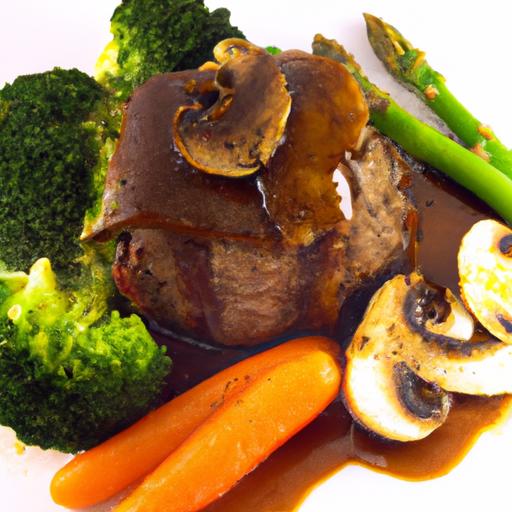
Use béchamel as a silky base for creamy gratins or luscious macaroni and cheese, garnished with freshly chopped parsley. Velouté complements delicate poached fish or steamed chicken, finished with a spritz of lemon zest. Espagnole’s robust depth shines in rich stews and braised meats, elegantly garnished with chopped chives. Tomato sauce is ideal for pasta dishes, roasted vegetables, or even as a bold pizza base, topped with fresh basil leaves. Hollandaise is a must for brunch classics like eggs Benedict, paired with steamed asparagus and a sprinkle of smoked paprika.
| Sauce | Calories | Protein (g) | Carbs (g) | Fat (g) |
|---|---|---|---|---|
| Béchamel | 150 | 5 | 12 | 10 |
| Velouté | 130 | 7 | 11 | 8 |
| Espagnole | 170 | 8 | 10 | 12 |
| Tomato | 90 | 2 | 14 | 3 |
| Hollandaise | 200 | 3 | 1 | 22 |

Unlocking culinary mastery starts with these quintessential bases. For deeper techniques on sauce variations, explore our complete guide to classic French sauces. Enhance your culinary repertoire further with insights from The Culinary Institute of America.
Q&A
Q&A: Mother Sauces Unveiled: Simplifying Culinary Foundations
Q1: What exactly are mother sauces, and why are they called “mother”?
A1: Mother sauces are the five fundamental sauces in classical French cuisine that serve as the base for countless other sauces. They’re called “mother” because, just like a mother nurtures offspring, these sauces give birth to a wide variety of derivative sauces – forming the cornerstone of culinary creativity.
Q2: Can you name the five mother sauces?
A2: Absolutely! The five mother sauces are Béchamel, Velouté, Espagnole, Sauce Tomat, and Hollandaise. Each one has a distinctive texture and flavor profile that chefs build upon to craft signature dishes.
Q3: How do mother sauces simplify cooking for both beginners and pros?
A3: Mother sauces simplify cooking by providing a solid foundation approach-master one, and you unlock a universe of flavor variations without starting from scratch each time. They teach essential techniques such as thickening, emulsifying, and balancing flavors, which are critical in many culinary traditions.
Q4: What’s the story behind Béchamel sauce?
A4: Béchamel is often called the “white sauce,” traditionally made from milk thickened with a white roux (equal parts butter and flour). Its creamy, velvety texture makes it a perfect canvas for cheeses, herbs, and spices. Legend credits Louis de Béchamel, a 17th-century French financier, with perfecting the sauce, though similar concoctions existed earlier.
Q5: Are mother sauces only relevant to French cuisine?
A5: While mother sauces hail from French culinary tradition, their influence spreads globally. Many international sauces share similarities or can be derived from these foundations. Understanding mother sauces enriches cooking skills universally, offering a gateway into sauce-making artistry across cuisines.
Q6: How can I start experimenting with mother sauces at home?
A6: Begin with Béchamel or Velouté, which are simpler to master. Focus on perfecting your roux technique – slow and steady is key! Once confident, try adding herbs, cheese, or broths to customize the base. Remember: patience and tasting your way through are your best tools.
Q7: Why do chefs swear by mastering mother sauces?
A7: For chefs, mother sauces are like a language – fluency unlocks versatility and innovation. They reduce complexity, save time, and enhance consistency, elevating every dish from ordinary to extraordinary. Master these, and you hold the key to endless culinary possibilities.
Q8: Can mother sauces be adapted to modern dietary needs?
A8: Definitely! For lactose intolerance, plant-based milks and vegan butters can replace dairy in Béchamel. Gluten-free flours can substitute traditional roux bases. Hollandaise can be veganized using aquafaba or avocado. The core principles remain, proving mother sauces are timeless yet adaptable.
Q9: What’s the best way to store mother sauces?
A9: Most mother sauces keep well in airtight containers for 2-3 days in the refrigerator. Some, like Béchamel and Velouté, may thicken after cooling but can be gently reheated with a splash of milk or stock. For longer storage, freezing is possible but may alter texture slightly.
Q10: Any final tips for embracing the magic of mother sauces?
A10: Embrace curiosity and practice patience. Think of mother sauces as your culinary toolkit – each spoonful holds tradition, technique, and endless potential. Experiment boldly, and let these sauces be the foundation that fuels your flavor adventures!
In Conclusion
As we’ve peeled back the layers of the mother sauces, their timeless simplicity reveals itself as the true secret behind culinary mastery. These foundational sauces are not just recipes; they are the canvas upon which chefs paint endless flavors and textures. By understanding their basics, you unlock a world where creativity meets tradition-where every dish can be elevated with just a few classic strokes. So, whether you’re a seasoned cook or an eager home chef, let the mother sauces be your guiding framework, empowering you to transform ordinary ingredients into extraordinary experiences. In the end, mastering these culinary cornerstones is less about complexity and more about embracing the art of delicious simplicity.