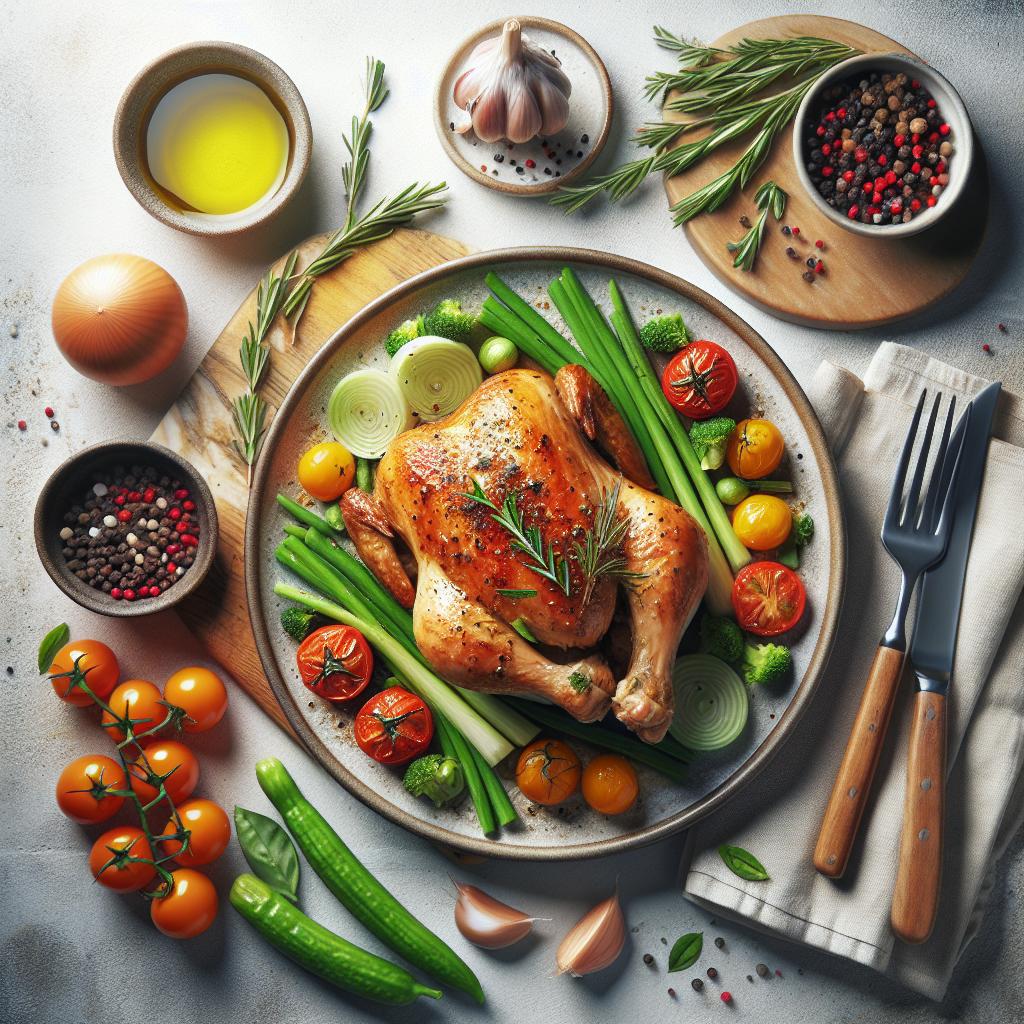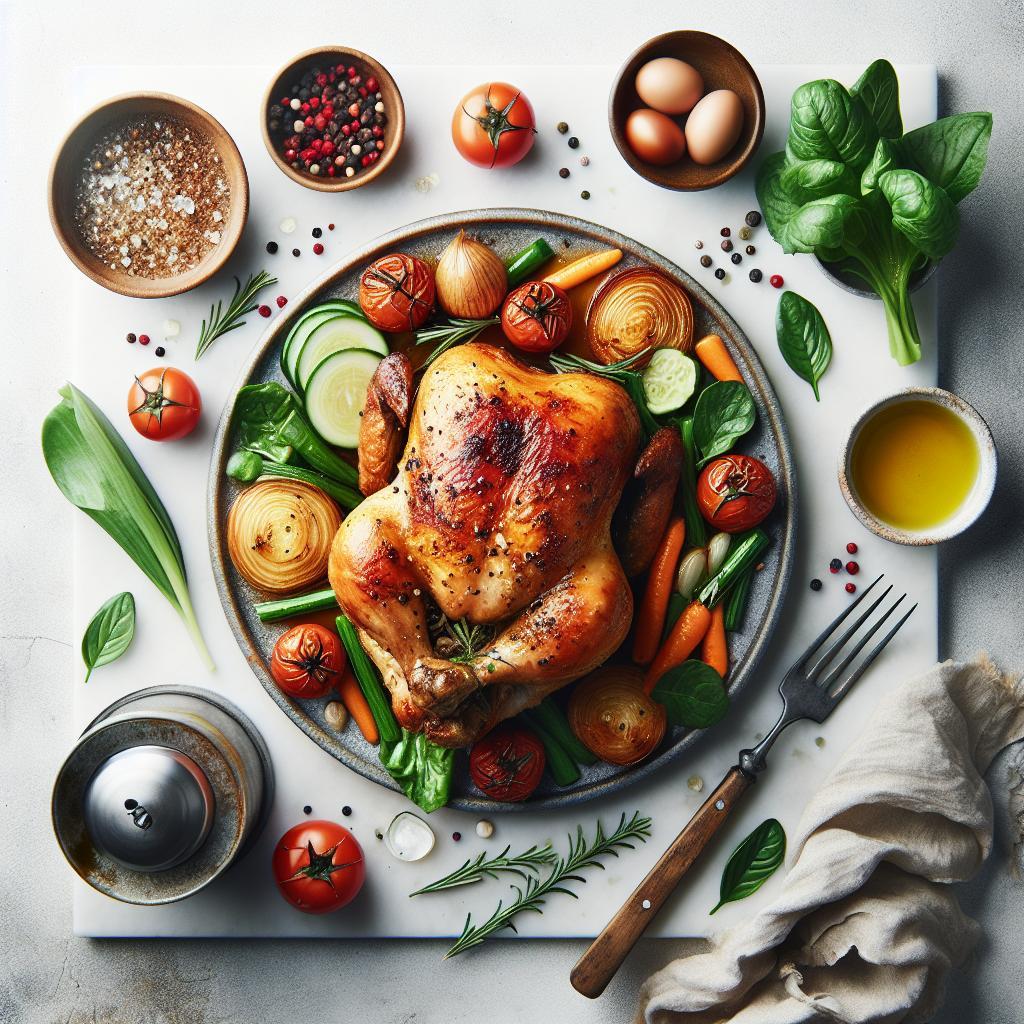

There’s something undeniably satisfying about a perfectly roasted chicken-its golden, crispy skin giving way to tender, juicy meat bursting with vibrant flavors. Yet, achieving that ideal balance of moisture and seasoning isn’t always as simple as plopping a bird in the oven. Mastering the art of juicy, flavor-packed chicken roast transforms a humble meal into a culinary masterpiece, turning every bite into a celebration. In this article, we’ll uncover the secrets behind this beloved dish, from choosing the right bird and marinade to roasting techniques that lock in succulence and amplify taste. Whether you’re a seasoned cook or a kitchen newcomer, prepare to elevate your roast chicken game to mouthwatering new heights.
Mastering the Art of Juicy, Flavor-Packed Chicken Roast
Mastering the art of juicy, flavor-packed chicken roast transforms a simple meal into a culinary celebration. Whether for a family dinner or a festive gathering, understanding how to maximize moisture and flavor ensures every bite is a tender delight. This guide will walk you through selecting an ideal marinade, perfect roasting techniques, and essential resting and carving tips to deliver an irresistible roast that enchants both the eyes and palate.
Prep and Cook Time
- Preparation: 20 minutes
- Marinating: 3 to 6 hours (or overnight for best flavor)
- Roasting: 1 hour 15 minutes to 1 hour 30 minutes
- Resting: 15 minutes
Yield
- Serves 6 generously
Difficulty Level
- Medium – perfect for confident home cooks aiming to enhance their roasting skills
Ingredients
- 1 whole chicken (about 4 to 5 pounds, preferably free-range for optimal flavor)
- 3 tbsp olive oil
- 1 lemon, juiced and zested
- 4 cloves garlic, minced
- 1 tbsp fresh rosemary, finely chopped
- 1 tbsp fresh thyme leaves
- 1 tsp smoked paprika
- 1 tsp salt
- ½ tsp freshly ground black pepper
- ½ cup low-sodium chicken broth (to keep the meat moist during roasting)
Instructions
- Prepare the Marinade: In a mixing bowl, whisk together olive oil, lemon juice and zest, minced garlic, rosemary, thyme, smoked paprika, salt, and pepper to create a fragrant and flavorful marinade.
- Marinate the Chicken: Place the whole chicken in a large resealable plastic bag or shallow dish. Pour the marinade over the chicken, ensuring even coverage. Massage the marinade gently into the skin and cavity. Seal and refrigerate for 3 to 6 hours, preferably overnight. This tenderizes the meat and infuses deep flavor.
- Bring to Room Temperature: Remove the chicken from the fridge about 30 minutes before roasting. This step allows for even cooking.
- Preheat the Oven: Set your oven to 425°F (220°C). Place a roasting rack inside a shallow pan to elevate the chicken, allowing hot air to circulate for a crispy skin.
- Roast the Chicken: Transfer the chicken onto the rack, breast-side up. Pour chicken broth into the pan to maintain moisture and prevent drippings from burning. Roast uncovered for 25 minutes at high heat to jumpstart browning.
- Reduce Heat: Lower the oven temperature to 375°F (190°C) and continue roasting for another 45-55 minutes, basting occasionally with pan juices. Use a meat thermometer to check for doneness-an internal temperature of 165°F (74°C) at the thickest part of the thigh guarantees safety and juiciness.
- Rest the Chicken: Once cooked, transfer the chicken to a warm cutting board and tent loosely with foil. Allow it to rest for 15 minutes. This crucial stage lets the juices redistribute, sealing in moisture.
- Carve with Care: Using a sharp chef’s knife, begin by removing the legs and thighs, then the wings, followed by slicing the breast meat against the grain. Present on a platter with pan drippings spooned over the top for added lusciousness.
Tips for Success: Unlocking Juicy, Flavor-Packed Chicken Roast
- Marinade Makes the Difference: Incorporating citrus and fresh herbs not only tenderizes but builds layers of vibrant flavor. Feel free to experiment with adding a touch of honey or mustard to your marinade for a subtle twist.
- Use a Meat Thermometer: To avoid overcooking, always rely on an instant-read thermometer. It ensures perfectly cooked chicken every time without guesswork.
- Rest Generously: Resist the temptation to carve immediately. Resting is key to preserving moistness and achieving a beautiful presentation.
- Variation: Swap rosemary and thyme with sage and oregano for a Mediterranean flair. Removing the skin before roasting results in a leaner meal but compromises crispiness.
- Make Ahead: Marinate the chicken the night before and bring to room temperature just before roasting for seamless meal preparation.
Serving Suggestions
Serve the chicken roast on a rustic wooden board or elegant platter garnished with freshly chopped parsley and lemon wedges for a pop of color and freshness. Complement the dish with seasonal roasted vegetables, creamy garlic mashed potatoes, or a light arugula salad drizzled with vinaigrette. For an extra flavor boost, drizzle some pan juices or a homemade herb butter over the carved chicken slices just before serving.

| Nutrient | Per Serving |
|---|---|
| Calories | 350 kcal |
| Protein | 42 g |
| Carbohydrates | 2 g |
| Fat | 18 g |
For more perfect poultry recipes, explore our Ultimate Herb Roasted Chicken guide. To deepen your understanding of cooking temperatures and safety, visit the FDA’s Food Safety Cooking Temperatures Chart.
Q&A
Q: What’s the secret to achieving a perfectly juicy chicken roast every time?
A: The key is in the preparation and patience. Start by brining your chicken in a saltwater solution to lock in moisture, then pat it dry and season generously with herbs, spices, and a touch of fat like olive oil or butter. Roast at a moderate temperature to allow even cooking without drying out, and always let the chicken rest after roasting so the juices redistribute evenly.
Q: How can I infuse bold flavors into my roast chicken without overpowering its natural taste?
A: Think layering flavors! Use aromatics like garlic, lemon zest, thyme, and rosemary both under the skin and inside the cavity. Marinate for a few hours or overnight to deepen the taste. Then, baste periodically with the pan juices to keep the flavors vibrant while roasting.
Q: Is it better to roast a whole chicken or parts like thighs and breasts for maximum flavor and juiciness?
A: Both have their virtues! Whole chickens benefit from the bones and skin, which help retain moisture and add richness to the flavor. However, roasting thighs offers consistent juiciness due to their higher fat content, while breasts need careful monitoring to avoid drying. Experiment with both to find your perfect balance.
Q: What temperature and cooking time ensure a tender, juicy roast chicken?
A: A moderate oven temperature around 375°F (190°C) generally works best. Cook the chicken until the internal temperature reaches 165°F (74°C) in the thickest part. This usually takes 20 minutes per pound, but using a reliable meat thermometer is your best bet for perfectly timed results.
Q: Can resting the chicken really make a difference? How long should I let it rest?
A: Absolutely! Resting allows the juices to redistribute rather than spilling out when carving. A good 10 to 15 minutes under a loose foil tent keeps the chicken warm and succulent-this step transforms a good roast into a great one.
Q: What are some creative flavor pairings to elevate my chicken roast?
A: For a zesty twist, combine citrus like orange or lemon with fresh herbs and garlic. For warmth, try smoked paprika, cumin, and a touch of chili powder. Sweet and savory blends also shine-think honey and mustard glaze or maple and rosemary rubs. The key is balancing bold and subtle notes.
Q: How important is basting during roasting, and what should I use?
A: Basting isn’t essential but can enhance flavor and moisture on the surface. Use the pan juices, melted butter, or infused olive oil to brush the chicken every 20 minutes or so. Be careful not to open the oven too frequently, or you’ll lose heat and prolong cooking time.
Q: Can I prepare a juicy chicken roast without any added fat like butter or oil?
A: It’s possible but more challenging. Fat helps conduct heat, crisp the skin, and deliver flavor. If avoiding added fat, focus on techniques like high-quality brining, seasoning under the skin, and proper temperature control to preserve moisture. Using a covered roasting method or wrapping the chicken can also help retain juices.
Q: How can I achieve crispy skin without drying out the meat?
A: Dry skin is a must! After brining or marinating, pat the chicken very dry, especially the skin, before roasting. Start roasting at a higher temperature (425°F/220°C) for the first 15 minutes, then reduce to moderate heat. This method crisps the skin quickly while allowing the meat to cook gently.
Q: What sides and sauces complement a masterfully roasted chicken?
A: Classic sides like roasted root vegetables, garlic mashed potatoes, or a fresh herb salad pair beautifully. Sauces that complement without overwhelming include tangy citrus vinaigrette, creamy mustard sauce, or a light herb gravy made from pan drippings. Balance is everything to let the chicken star shine.
In Retrospect
As you close the chapter on mastering the art of juicy, flavor-packed chicken roast, remember that this culinary journey is as much about passion as it is precision. With each marinated bite and crispy, golden slice, you’re not just serving a meal-you’re crafting an experience that speaks to comfort, creativity, and the timeless joy of sharing good food. So, embrace the techniques, trust your palate, and let your kitchen become a stage where every roast tells a delicious story. Happy roasting, and may your chicken always be the star of the table!