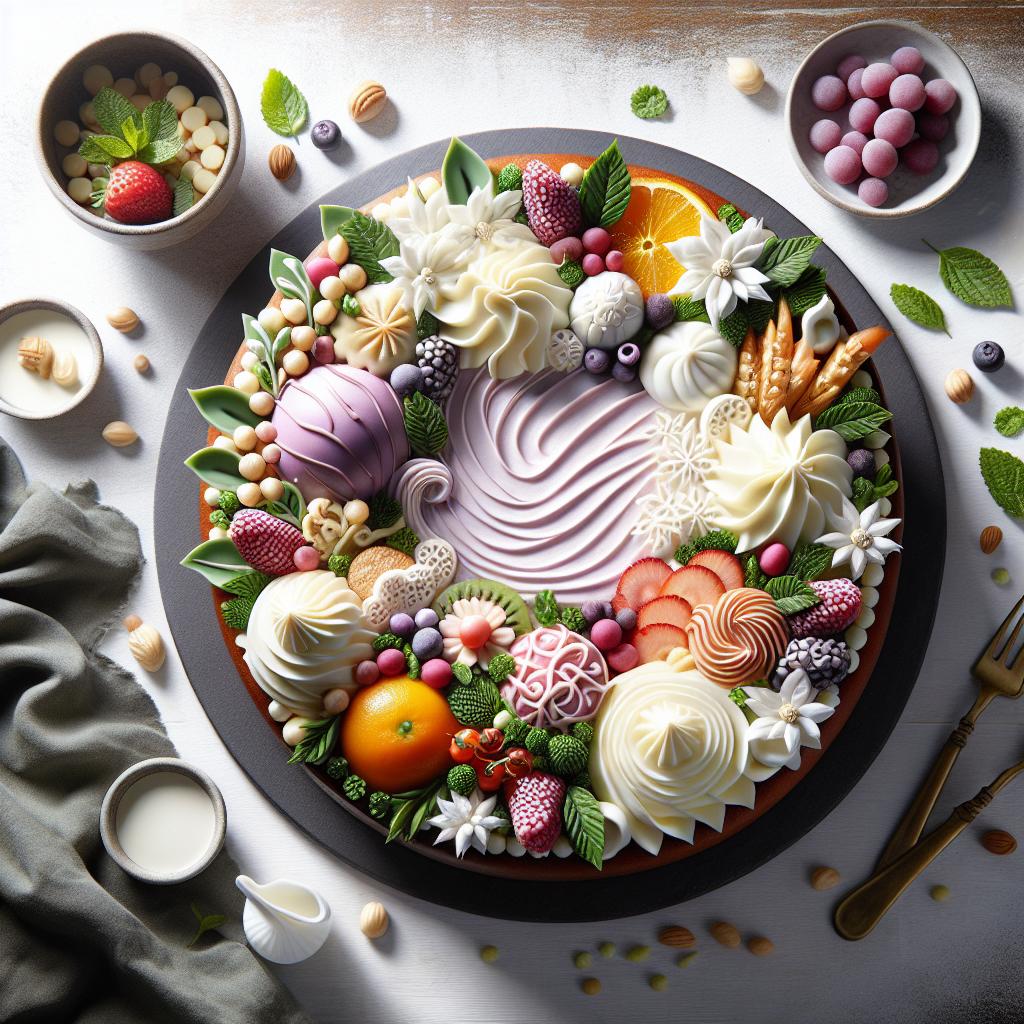

In the enchanting world of cake decorating, few skills shine as brightly as mastering royal icing. With its satiny finish and versatile charm, royal icing transforms simple confections into edible masterpieces that dazzle the eye and delight the palate. Whether you’re a seasoned baker or just dipping your toe into the sweet art of decoration, understanding the secrets to creating smooth, flawless royal icing opens the door to endless creative possibilities. Join us as we uncover the essential tips and techniques that will elevate your decorating game from ordinary to extraordinary-because perfect royal icing isn’t just icing on the cake, it’s the magic that makes your creations truly royal.
Mastering royal icing unlocks a world of decorating possibilities-from intricate lacework to bold, vivid patterns. Each delicate stroke demands understanding how this sweet, supple medium behaves: a marriage of chemistry and artistry that transforms simple sugar into edible masterpieces. The secret lies not just in ingredients but in technique, tools, and timing, ensuring your royal icing glides smoothly and dries to a pristine finish every time.
Prep and Cook Time
Preparation: 10 minutes
Resting/Drying: 30 minutes to overnight, depending on decoration complexity
Yield
Makes approximately 3 cups of royal icing, enough to decorate 24-30 medium cookies
Difficulty Level
Medium – requires attention to detail and patience, perfect for aspiring bakers with some decorating experience
Ingredients
- 4 cups (about 450g) powdered sugar, sifted
- 3 tablespoons meringue powder
- 5 tablespoons warm water (adjust for desired consistency)
- 1 teaspoon pure vanilla extract or lemon juice (optional, for flavor)
Instructions
- Combine dry ingredients: In a large mixing bowl, sift the powdered sugar to remove clumps, then add the meringue powder. Mixing dry ingredients first ensures a smooth texture free of lumps.
- Add water gradually: Pour in warm water and vanilla extract while mixing on low speed using a hand mixer or stand mixer fitted with a whisk attachment. This gentle incorporation prevents air bubbles that could mar the smooth finish.
- Beat to stiff peaks: Increase speed to medium-high and beat for 5-7 minutes until the icing forms glossy, stiff peaks that hold their shape firmly without collapsing.
- Check consistency: For piping outlines and details, the icing should be thick enough to hold form when lifted with a spatula but still flow slowly. For flooding (filling areas), thin it slightly with a few drops of water until it flows like warm honey. Test on parchment paper for accuracy.
- Use immediately or cover tightly: Royal icing dries quickly once exposed to air. Cover the surface with plastic wrap touching the icing to prevent crusting, or store in an airtight container until ready to decorate.
- Prepare piping tools: Fill piping bags fitted with round or specialty tips. Use couplers for easier tip swaps. Practice consistent pressure and steady hands for flawless lines.
- Decorate thoughtfully: Pipe outlines first, let them crust briefly (about 10 minutes), then flood interiors with thinned icing. Layer colors only after the base dries completely to avoid bleeding.
Tips for Success
- Ingredient choice matters: Use high-quality sifted powdered sugar-low-moisture helps prevent graininess. Meringue powder over egg whites offers stability and safety.
- Adjustment versatility: Easily tweak icing consistency by adding water dropwise; too thin icing won’t hold shapes, too thick resists smooth spreading.
- Humidity is your foe: Decorate in a cool, dry room. Excess moisture can prevent proper drying and cause sticky surfaces.
- Storage solutions: Royal icing keeps for up to 2 weeks refrigerated. Bring to room temperature and re-whip briefly before use.
- Troubleshooting: If icing is grainy, sift again. If it crusts too fast, cover in a damp towel between uses. Use toothpicks to fix tiny bubbles on designs.
Serving Suggestions
Present decorated cookies on elegant trays or tiered stands for celebrations. Enhance visuals with edible shimmer dust or tiny sugar pearls strategically placed on wet icing for delicate texture. Pair your decorated treats with pastel-toned or clear glass jars for gift giving. Use contrasting piping colors for striking borders and intricate filigree. For a festive touch, sprinkle freeze-dried fruit powders or edible gold leaf after icing dries.
| Nutrient | Per 2 Tbsp Serving |
|---|---|
| Calories | 60 kcal |
| Protein | 0.2g |
| Carbohydrates | 15g |
| Fat | 0g |
Discover more royal icing design techniques here and explore expert tips. For in-depth scientific details on meringue powders and confectioner’s sugar properties, visit Cook’s Illustrated Royal Icing Basics.

Q&A
Q&A: Mastering Royal Icing – Smooth, Sweet Tips for Perfect Decor
Q1: What makes royal icing the ultimate choice for cookie and cake decoration?
A1: Royal icing is like the Cinderella of decorating – it dries hard and shiny, making every intricate design pop and stay put. Its smooth finish creates a stunning canvas that’s perfect for piping delicate flowers, elegant borders, or enchanting scrollwork. Plus, it’s edible artistry at its finest!
Q2: How do I achieve that perfectly smooth and glossy royal icing?
A2: The secret lies in a silky blend of powdered sugar, egg whites (or meringue powder), and a dash of patience. Beat the mixture until it’s smooth and glossy, then flood your cookie with gently thinned icing. Use a toothpick or scribe tool to coax out bubbles and smooth edges before it sets – like a painter perfecting every brushstroke.
Q3: Can I customize the texture of my royal icing for different decorating needs?
A3: Absolutely! Royal icing is a shape-shifter. For piping fine details, keep it thick enough to hold sharp edges. For flooding larger areas, thin it down to a glossy “consistency 10” where it slowly levels out but holds its shape. Experiment with small batches to find your sweet spot for each project.
Q4: What tips help prevent common royal icing mishaps like cracks or dull finishes?
A4: Avoid drying your masterpiece too quickly – rapid moisture loss can cause cracks. Let icing dry gradually at room temperature. Also, fresh egg whites or quality meringue powder can be the difference between a brittle finish and a smooth, flexible coat. Finally, cover your icing during breaks to keep it from drying out and crusting in your piping bags.
Q5: How can I add vibrant colors without sacrificing royal icing’s smooth texture?
A5: Gel or paste food colors are your colorful comrades here – they pack a punch without thinning your icing. Add colors little by little until you reach your desired shade, and always mix thoroughly. For an extra smooth finish, strain out any pigment clumps to keep your masterpiece flawless.
Q6: Any unexpected tricks to elevate my royal icing game?
A6: Try warming your icing slightly if it’s too stiff – a few seconds in a warm water bath can make it more pliable without watering it down. Also, using a damp cloth or spray bottle to lightly mist your iced cookies can help smooth the surface before it fully dries. And remember: practice is the sweetest ingredient – the more you decorate, the more your technique will glow!
The Conclusion
As you’ve discovered, mastering royal icing is both an art and a science-where patience meets precision, and sweetness transforms into stunning design. With these smooth, sweet tips tucked into your toolkit, every cookie, cake, or decoration you create can become a canvas of edible elegance. Remember, practice refines your technique, and each mistake is simply a step closer to perfection. So, roll up your sleeves, whip up that glossy icing, and let your creativity flow-because the realm of royal icing is yours to conquer, one flawless stroke at a time. Happy decorating!