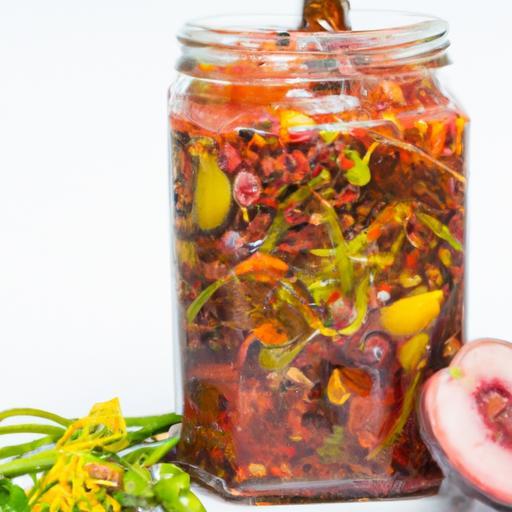

In the vibrant world of fermented foods, the secret to savoring their tangy, complex flavors lies not just in the fermentation process itself, but in how you store them afterward. Mastering fermented food storage is an art that preserves freshness, enhances taste, and extends shelf life, allowing you to enjoy that perfect bite every time. Whether you’re a kimchi connoisseur, a sauerkraut savant, or a kombucha keeper, understanding the nuances of storage will elevate your culinary creations from good to unforgettable. Dive into our expert tips and discover how to keep your fermented treasures bursting with fresh flavor long after the jar is sealed!
Mastering Fermented Food Storage: Tips for Fresh Flavor!
Embarking on the journey of mastering fermented food storage is akin to unlocking a secret world where science meets culinary artistry. Fermentation has been cherished for centuries, transforming humble ingredients into tangy, health-packed delights that burst with complexity. Yet, the true magic lies not just in creating these foods but in preserving their freshness and vibrant flavor over time. Whether you’re culturing crisp sauerkraut or bubbling kombucha, understanding how to store your fermented treasures will elevate every bite to perfection.
Prep and Cook Time
- Preparation: 15 minutes
- Fermentation: 3 to 7 days (varies by recipe)
- Storage and Maturation: 1 to 4 weeks
Yield
- Approximately 1 quart of fermented product (dependent on batch size)
Difficulty Level
- Medium – Requires attention to detail and patience for fermentation processes
Ingredients for Starter Fermentation Container Setup
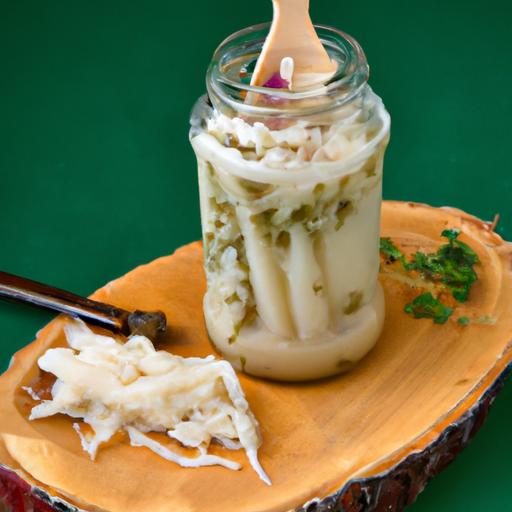
- 1 quart glass fermentation jar, with an airtight lid or fermentation airlock
- Food-grade ceramic crock (optional alternative container)
- Clean cheesecloth or breathable cloth, for initial fermentation covering
- Clean water, chlorine-free (filtered or distilled)
- Non-iodized sea salt or kosher salt
Instructions for Optimal Storage of Fermented Foods
- Select the right container: Choose glass jars-preferably wide-mouth-for their impermeability and ease of cleaning. Avoid metal containers to prevent off-flavors or corrosion. Ceramic crocks with water-sealed rims offer excellent anaerobic environments, perfect for robust fermentations. Proper containers keep oxygen out and maintain a controlled environment.
- Prepare your fermentation vessel: Before use, sterilize jars or crocks with boiling water to eliminate unwanted microbes. Ensure lids are airtight if the ferment requires oxygen exclusion but consider an airlock system to let CO2 escape.
- Maintain ideal temperatures: Store your fermented foods between 60°F to 70°F for active fermentation. After reaching your preferred tartness, move containers to cooler spots (40°F to 55°F) like a cellar or refrigerator, slowing microbial activity and extending shelf life without sacrificing flavor.
- Control humidity: Keep humidity moderate (around 60-70%) to avoid drying out ferment surfaces or encouraging mold growth. This strategy preserves the texture and vibrancy of your ferments for longer periods.
- Monitor regularly: Check your ferment daily for signs of spoilage, such as off-putting odors or mold distinct from the typical harmless kahm yeast. Gently press down vegetables to keep them submerged under the brine, avoiding air exposure.
- Rotate your ferments: Practice the first-in, first-out rule in your storage area, consuming older batches earlier to enjoy peak flavor complexity while preventing waste.
Chef’s Notes: Tips for Success
- Experiment with container sizes for different batch volumes; smaller jars allow easier temperature control.
- Clamp-style lids with integrated airlocks can reduce the risk of mold while gently venting gases.
- If you detect pungent doses of sulfur or overly strong acidity, this often signals over-fermentation-consider refrigerating sooner next batch.
- You can create layered ferments using varied vegetables or herbs; just ensure a consistent salt ratio to maintain an optimal microbial balance.
- Label each batch with start date and salt percentage to refine your fermentation mastery.
Serving Suggestions
Enjoy your perfectly preserved fermented foods as vibrant side dishes, salad toppers, or creative garnishes. Sprinkle freshly chopped herbs like dill or chives to enhance brightness. Combine crunchy fermented vegetables with buttery avocado on rustic bread, or pair tangy kimchi alongside rich Korean barbecue-each bite will showcase the depth unlocked through ideal storage.
| Nutrient | Avg. per 100g |
|---|---|
| Calories | 25 kcal |
| Protein | 1.1 g |
| Carbohydrates | 4.5 g |
| Fat | 0.1 g |

For more insights on fermentation techniques and recipes, explore our in-depth guide on Fermentation Basics for Home Cooks. Additionally, to deepen your understanding of microbial fermentation, visit the National Library of Medicine’s research on fermented foods.
Q&A
Q: What is the key to preserving the fresh flavor of fermented foods?
A: The secret lies in controlling temperature and oxygen exposure. Keeping fermented foods cool-typically between 32°F and 50°F (0-10°C)-slows fermentation without stopping it, preserving that fresh, tangy zip. Also, minimizing air contact by using airtight containers prevents unwanted mold and spoilage.
Q: How do I know if my fermented food is still good to eat?
A: Trust your senses! A pleasantly sour aroma and slight fizz are good signs. If you detect off-putting smells like rotten eggs, or see fuzzy mold on the surface, it’s time to discard. Remember, bubbles mean your culture is alive and thriving!
Q: What containers work best for storing fermented foods?
A: Glass jars with rubber-sealed lids or fermentation crocks are your best bet. They’re non-reactive, airtight, and let you monitor your ferments through the glass. Avoid metal containers, which can react with the acids and alter flavor.
Q: Can fermented foods be frozen?
A: While freezing can halt fermentation and preserve nutrients, it may change texture and reduce the vibrant taste. If you must freeze, do so after fermentation is complete, and thaw slowly in the fridge to retain as much flavor as possible.
Q: How long can fermented foods be stored while maintaining fresh flavor?
A: Properly stored, many ferments stay delicious for months-sometimes even a year! The fresher the ferment when refrigerated, the more flavor it holds. Just remember to “taste test” frequently to enjoy that perfect tang before it fades.
Q: Any pro tips for beginners to master fermented food storage?
A: Absolutely! Start small and label your jars with dates. Use airlocks if you want to avoid burping jars and reduce oxygen exposure. And don’t forget: every batch is a new adventure-adjust storage conditions based on flavor and texture preferences as you go!
In Retrospect
As you embark on your flavorful journey with fermented foods, remember that mastering storage is the secret ingredient to preserving their vibrant taste and nourishing qualities. With a little attention to temperature, airtight containers, and patience, your fermented creations will remain delightfully fresh and tangy, ready to enliven any meal. Embrace these tips, and watch your pantry transform into a vibrant gallery of living, delicious culture-where every jar tells a story of patience, tradition, and the magic of fermentation. Happy storing, and even happier savoring!