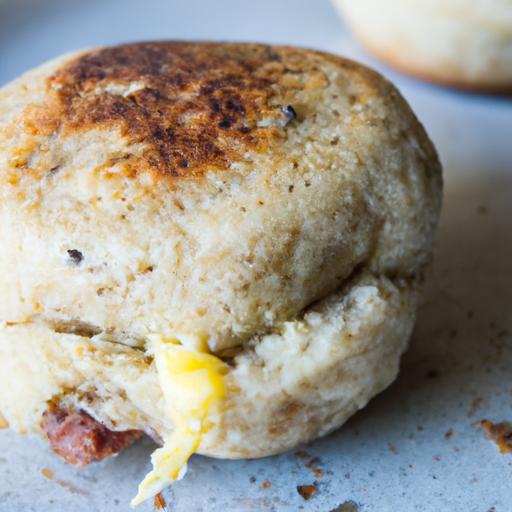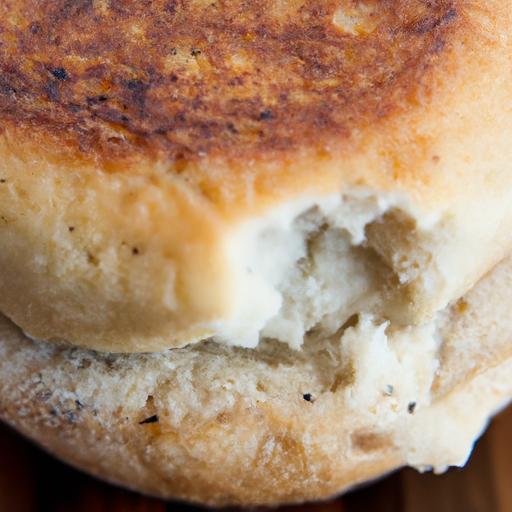

Imagine waking up to the irresistible aroma of freshly toasted English muffins, warm and fluffy, with just the right amount of crunch at the edges-every single time. Master batch cooking isn’t just a time-saving kitchen hack; it’s your ticket to consistent perfection, transforming the humble English muffin from a once-in-a-while treat into a reliable staple. In this article, we’ll dive into the art and science of batch-making these delightful bread rounds, sharing expert tips and foolproof methods that guarantee flawless texture and flavor, whether you’re feeding a family or meal-prepping for the week ahead. Get ready to elevate your breakfast game and discover how mastering batch cooking can turn everyday English muffins into bakery-worthy bites.
Master Batch Cooking: Perfect English Muffins Every Time
Master batch cooking: perfect English muffins every time begins with understanding that the magic lies in select ingredients, thoughtful dough creation, and precise cooking techniques. English muffins are beloved for their golden crust and those irresistible nooks and crannies that trap melted butter and jam. With a few expert tips, you can replicate bakery-level quality at home consistently.
Prep and Cook Time
Prep Time: 30 minutes (plus 1.5 hours rising time)
Cook Time: 20 minutes
Total Time: 2 hours
Yield
Makes 12 English muffins
Difficulty Level
Medium – requires attention to dough texture and cooking method but very rewarding.
Choosing the Finest Ingredients for Fluffy English Muffins
The quality of your ingredients forms the foundation of flavorful, fluffy English muffins. Use high-gluten bread flour or a blend of bread and all-purpose flour for an ideal chewiness. Fresh, active dry yeast guarantees a reliable rise, while whole milk lends richness and tenderness to the crumb. Incorporate a little sugar to fuel fermentation and balance flavor, and opt for unsalted butter to control salt levels precisely. For an authentic touch, sprinkle cornmeal on the baking sheet-it adds that classic rustic texture underneath.
Crafting the Ideal Dough Texture for Consistent Results
The dough for perfect English muffins should feel soft, slightly tacky, but not overly sticky. Start by dissolving yeast in warm milk to awaken those bubbles of life, then mix in flour, sugar, salt, and melted butter. Kneading develops the gluten network essential for structure-aim for around 8-10 minutes by hand or 6-7 minutes with a stand mixer. After kneading, allow the dough to ferment and rise until doubled in size; this journey creates air bubbles that later form the signature nooks and crannies.
Mastering the Cooking Technique to Achieve Signature Nooks and Crannies
Proper cooking is paramount to unlocking those coveted English muffin textures. Instead of baking in a traditional oven, English muffins are griddled on a stovetop or flat pan, allowing slow, even heat to develop the crust gradually. Shape the dough into rounds about 3.5 inches wide and dust each side with cornmeal to prevent sticking. Cook on medium-low heat, about 7 minutes per side, until golden brown, flipping carefully to preserve the rise. The slow cooking allows dough’s interior to set while air pockets create those perfectly spongy nooks and crannies.
Effective Storage and Reheating Tips to Keep Muffins Fresh
To enjoy fluffiness after baking, cool muffins completely before storing. Place them in an airtight container or resealable bag to prevent drying out. Stored at room temperature, they last up to 3 days; for longer storage, freeze the muffins individually wrapped in plastic wrap and foil. When reheating, slice muffins open and toast or warm in a skillet over low heat to rejuvenate the delicate crumb and texture-avoiding microwave reheating prevents sogginess.
Ingredients
- 2 ½ cups bread flour, sifted
- 1 cup warm whole milk (about 110°F)
- 2 tsp active dry yeast
- 1 tbsp granulated sugar
- 1 tsp fine sea salt
- 2 tbsp unsalted butter, melted and slightly cooled
- Cornmeal for dusting
Instructions
- Activate the yeast: In a small bowl, stir the yeast into warm milk with sugar. Let sit 5-10 minutes until foamy and bubbling.
- Mix the dough: In a large bowl, combine sifted bread flour and salt. Add the yeast mixture and melted butter. Stir until a shaggy dough forms.
- Knead: Turn dough out onto a lightly floured surface. Knead for 8-10 minutes until smooth and elastic. Add flour sparingly if too sticky.
- First rise: Place dough in a lightly oiled bowl, cover with a damp cloth or plastic wrap. Let rise in a warm spot for 1-1.5 hours or until doubled.
- Shape muffins: Gently deflate dough, roll out to ¾-inch thickness. Use a 3.5-inch round cutter to cut muffins. Place them on a parchment-lined baking sheet dusted with cornmeal. Sprinkle tops with cornmeal as well. Cover and let rise 30 minutes.
- Preheat griddle: Set a cast iron skillet or heavy nonstick pan over medium-low heat. Lightly grease with butter or oil.
- Cook muffins: Carefully transfer muffins to heated skillet. Cook 7 minutes per side until golden brown and cooked through. Keep heat moderate to avoid burning edges.
- Cool and store: Transfer muffins to a wire rack to cool completely before storing or serving.
Tips for Success
- Temperature is key: Too hot liquid kills yeast, while too cold causes weak rises. Maintain about 110°F.
- Kneading consistency: When the dough springs back gently when poked, it’s ready.
- Use cornmeal liberally: It prevents sticking and adds nostalgic texture.
- Don’t rush the skilling: Low and slow is the secret to golden crust and airy crumpets alike.
- Freeze extras: Wrap each muffin individually and enjoy fresh muffins anytime.
- For whole wheat adaptation: Replace up to 50% bread flour with whole wheat flour for a nuttier flavor, adding 1-2 extra tablespoons water as needed.
Serving Suggestions
Slice English muffins horizontally with a fork or serrated knife to preserve their treasured nooks and crannies. Toast to a crisp golden finish and slather with creamy butter or fruit preserves. For a savory twist, pile on scrambled eggs, avocado slices, and smoked salmon or classic ham and cheese. Garnish with fresh herbs like chives or dill for elegance. Pair with a hot cup of tea or fresh-pressed juice for the ultimate brunch experience.

| Nutrient | Per Muffin |
|---|---|
| Calories | 140 |
| Protein | 5g |
| Carbohydrates | 25g |
| Fat | 3.5g |
For those eager to explore more baking adventures, check out our Homemade Bread Recipes collection. If you want to delve deeper into the science of yeast fermentation, visit the King Arthur Baking Guide to Yeast.
Q&A
Q&A: Master Batch Cooking – Perfect English Muffins Every Time
Q1: What is batch cooking, and how does it apply to making English muffins?
A1: Batch cooking is the art of preparing large quantities of food at once, saving time and effort for future meals. When it comes to English muffins, batch cooking means mixing, proofing, and baking a big batch of dough that yields dozens of perfectly golden, chewy muffins you can enjoy throughout the week or freeze for later.
Q2: Why choose batch cooking for English muffins instead of making them fresh each time?
A2: Freshness is winning, but batch cooking transforms your kitchen time into a smooth, efficient rhythm. Instead of repeating the entire process every morning, you prep once, then savor warm, homemade English muffins whenever you want-saving precious minutes and ensuring consistency in quality and texture.
Q3: What are the key ingredients to master a flawless batch of English muffins?
A3: Simple essentials: flour (bread flour for chewiness), yeast, sugar, salt, warm milk, and a touch of butter. The magic lies in the right yeast activation and proofing times, which create those signature nooks and crannies and the perfect crumb.
Q4: How can I ensure my English muffins develop that ideal “nook and cranny” texture?
A4: Patience and technique matter. After your dough rises, gently roll it out and use a round cutter without twisting to maintain dough puffiness. Cooking on a griddle or skillet over medium heat encourages even browning, while the slow cooking ensures those delightful air pockets form inside.
Q5: What’s the secret to preventing English muffins from turning dense or tough in large batches?
A5: Hydration and gentle handling are the keys. Keep your dough slightly tacky, not dry, and avoid over-kneading. When scaling up to batch cooking, divide the dough evenly and give each muffin enough room to rise properly without crowding, so they stay light and fluffy.
Q6: How should I store my batch-cooked English muffins to keep them fresh?
A6: Let muffins cool completely before storing. For short term, airtight containers or zip bags at room temperature work. For longer storage, slice and freeze them individually wrapped-then toast straight from the freezer for that fresh-from-the-griddle experience.
Q7: Can I customize my batch-cooked English muffins with flavors or add-ins?
A7: Absolutely! Think rosemary and garlic, cinnamon and raisin, or even cheddar and jalapeño. Mix your add-ins right after the first kneading, so they incorporate well without disrupting the dough’s gluten structure.
Q8: What equipment is essential for mastering batch cooking English muffins?
A8: A sturdy mixing bowl, a good griddle or skillet for cooking, a rolling pin, round cutters, and airtight containers for storage are your core tools. Bonus points for a kitchen scale to measure ingredients precisely, ensuring batch consistency.
Q9: Any troubleshooting tips if my English muffins don’t come out right?
A9: If muffins are too dense, check your yeast’s freshness and proofing times. If they’re too dry or crumbly, increase hydration slightly. Uneven browning? Adjust your cooking temperature. Remember, batch cooking involves perfecting your recipe through trial and adjustment-each kitchen is a unique lab!
Q10: How can batch cooking English muffins save me time without sacrificing quality?
A10: By combining preparation steps and cooking multiple muffins in one go, batch cooking minimizes daily kitchen labor. You trade a single, focused cooking session for a week’s worth of breakfast bliss-fresh, homemade, and ready to toast in seconds. Quality? That’s the batch cooking promise.
Concluding Remarks
Mastering the art of batch cooking your own English muffins not only saves time but elevates your breakfast game to new heights. With a little planning, a trusty recipe, and the right techniques, you can enjoy those perfectly crispy, golden delights fresh from your kitchen whenever you please. So why settle for store-bought when you can savor the warm, buttery goodness of homemade muffins that are tailored exactly to your taste? Embrace batch cooking as your secret ingredient, and turn every morning into a delicious celebration of texture, flavor, and the simple joy of breaking bread.