
There’s something strangely satisfying about the perfect sizzle of a home-cooked meal, but nothing kills that joy faster than spotting a burnt bottom lurking beneath your pot. Whether you’re simmering a delicate sauce or stewing a hearty broth, those charred residues not only stubbornly cling to your cookware but also steal the flavor and make cleanup a nightmare. Fear not-keeping your pots pristine doesn’t have to be a mystery or a chore. In this article, we’ll stir up some clever, practical tips to help you avoid burnt bottoms, preserve your pots’ shine, and keep every dish tasting just right. Say goodbye to blackened cooking disasters and hello to effortlessly clean, happy cookware!
Keep Your Pots Pristine: Tips to Avoid Burnt Bottoms
Keep your pots pristine by understanding the common culprits behind those stubborn burnt bottoms that can ruin your cookware and meals alike. From uneven heat distribution to improper cleaning, these issues sneak in during everyday cooking. Yet, armed with the right knowledge and techniques, you can effortlessly maintain your favorite pots and elevate every dish without the worry of scorched surfaces.
Prep and Cook Time
- Preparation: 5 minutes
- Cooking: Varies depending on dish – generally 15 to 30 minutes
Yield
Suitable for every home cook aiming for pristine cookware longevity
Difficulty Level
Easy to Medium – Perfect for all skill levels
Ingredients for Maintaining Pots Pristine
- High-quality cookware: stainless steel, cast iron, or heavy-gauge aluminum with encapsulated bases
- Cooking oils with suitable smoke points: avocado oil, grapeseed oil, or refined olive oil
- Heat diffuser (optional): for use with uneven stovetops
- Non-abrasive scrubbers: silicone brushes or soft sponges
- Baking soda and vinegar: natural cleaning agents
- Microfiber cloth: for gentle polishing and drying
Instructions: How to Keep Your Pots Pristine and Avoid Burnt Bottoms
- Identify the root causes. Begin by inspecting your cookware and pay attention to hot spots where residues often burn. This root cause stems from either low-quality pots or improper heat settings. Avoid high heat unless the recipe demands it. Use medium or low simmer for sauces or delicate dishes.
- Choose your cookware wisely. Opt for pots featuring thick, heavy bottoms like tri-ply stainless steel or enameled cast iron that allow even heat distribution and prevent localized burning. Avoid thin pans that heat unevenly, leading to scorched bottoms.
- Master your stovetop’s heat control. Start heating the pot gradually, letting it come up to temperature before adding ingredients. When sautéing or frying, choose oils with higher smoke points and monitor closely – a shimmering oil is your green light to begin cooking.
- Use heat diffusers if necessary. Especially useful on electric coils or uneven burners, these devices disperse heat evenly, safeguarding the pot’s base from burning hot spots.
- Clean immediately but gently. After cooking, soak your pots in warm soapy water. Use a non-abrasive scrubber with baking soda for stubborn spots. For burnt residues, soak with a vinegar solution for 15 minutes and then scrub softly. Avoid metal scrubbers that damage surfaces.
- Dry and maintain regularly. Always dry pots thoroughly with microfiber cloths to prevent water spots and rust. Season cast iron pots periodically to restore their protective layer.
Chef’s Notes: Tips for Success
- Season your cast iron pots after each cleaning to preserve the non-stick surface and prevent burnt accumulation.
- Rotate your pans during cooking to avoid one side overheating and causing burnt bottoms.
- Store pots properly – stack with pan protectors or soft cloths to avoid scratches that lead to sticking and burning.
- Upgrade old or warped cookware – warped bases cause uneven heat and are a common source of burnt bottoms.
- Use lids to retain moisture, reducing the chance of food sticking and burning on pot bottoms.
Serving Suggestions
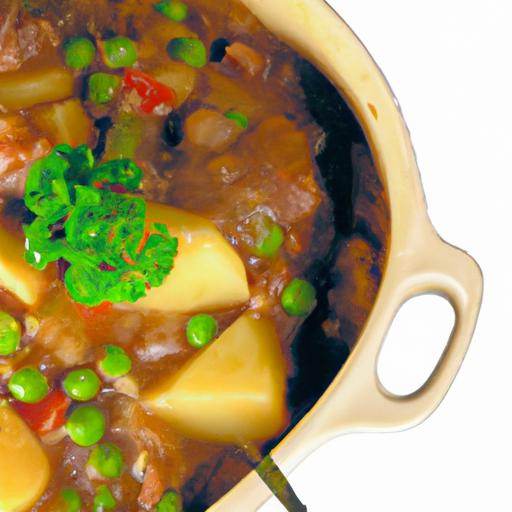
Keep your pots pristine not just for longevity but to serve beautifully cooked dishes every time. Present meals straight from the carefully maintained pot onto your table for rustic charm or plate elegantly. Garnish stews and braises with fresh herbs, a drizzle of olive oil, or a sprinkle of freshly ground pepper to complement your pot-perfect cooking.

| Aspect | Benefit | Tip |
|---|---|---|
| Cookware Thickness | Ensures even heat distribution | Choose tri-ply or cast iron |
| Heat Control | Prevents food from sticking and burning | Start low, increase gradually |
| Cleaning Method | Preserves pot surface and finish | Use baking soda, avoid abrasives |
| Maintenance | Prolongs cookware life | Dry thoroughly, season iron pots |
For a deeper dive into selecting perfect cookware, explore our complete cookware guide. Also, authoritative advice on cookware maintenance can be found at the Cook’s Illustrated website.
Q&A
Q&A: Keep Your Pots Pristine – Tips to Avoid Burnt Bottoms
Q1: Why do pots often get burnt bottoms even when I’m careful?
A1: Burnt bottoms usually happen due to uneven heat distribution or cooking on too high a flame. Thin or low-quality pots can also cause hotspots where food sticks and burns more easily. Additionally, cooking without enough liquid or frequent stirring can contribute to the problem.
Q2: What’s the best flame level to cook on to prevent burning?
A2: Medium to medium-low heat is ideal for most cooking tasks. High heat can quickly scorch food, especially if your pot isn’t heavy-bottomed. Starting on high to bring something to a boil, then lowering the heat helps avoid that dreaded burnt crust.
Q3: How does the type of pot affect burning?
A3: Heavy-bottomed pots like stainless steel with an aluminum core or cast iron distribute heat evenly, reducing hotspots. Thin aluminum or non-stick pans can heat unevenly, increasing the risk of burning. Investing in good-quality cookware pays off in cleaner pots!
Q4: Are there any cooking habits to avoid burnt pots?
A4: Yes! Avoid leaving food unattended for long periods, and don’t overcrowd the pot, which can trap moisture unevenly. Stirring regularly keeps ingredients moving, preventing sticking. Also, preheating your pot before adding oil or food helps set the right cooking temperature.
Q5: Can I save a pot that’s already burnt on the bottom?
A5: Absolutely! Fill the pot with warm water and add a few tablespoons of baking soda or vinegar. Let it soak for a few hours or overnight. Then gently scrub with a non-abrasive pad. For stubborn stains, boiling the solution in the pot can loosen burnt residue. With patience, your pot can shine again!
Q6: Any quick tips for everyday cooking to keep pots spotless?
A6: Use a diffuser plate for very thin pans to spread heat evenly. Always add oil or butter before heating your pan to create a protective barrier. And don’t forget to clean your pots promptly after use-soaking leftover food overnight is your best friend!
Q7: Is there a way to prevent burnt bottoms when cooking sauces or stews?
A7: Yes! Constant low heat and frequent stirring are key. Using a heavy-bottomed pot helps keep the temperature steady. Also, consider cooking with a heat diffuser or double boiler method for delicate sauces, which lets you control heat without direct flames.
Keep these tips in mind, and your pots will stay gleaming and burn-free, making cooking a more enjoyable and less frustrating experience!
Final Thoughts
Keeping your pots pristine is more than just a matter of aesthetics-it’s about preserving the heart of your kitchen. By mastering a few simple habits and understanding the science behind heat and residue, you can say goodbye to stubborn burnt bottoms and hello to cookware that lasts. Remember, every great meal starts with the right foundation, and your pots deserve the care that honors the delicious creations they help bring to life. So, arm yourself with these tips, nurture your pots with patience, and watch your culinary adventures flourish one pristine pan at a time.