
There’s nothing quite like the creamy, buttery delight of a perfectly ripe avocado. From vibrant smoothies to zesty guacamole, this humble fruit has carved out a special place in kitchens worldwide. But there’s a catch-avocados have a notorious reputation for turning brown and mushy faster than we’d like. If you’ve ever sighed over a browned avocado half or scrambled to use your green treasure before it spoiled, you’re not alone. Luckily, keeping avocados fresh and vibrant longer is an art-and a science. In this article, we’ll explore clever tips and easy tricks to store your avocados just right, so you can enjoy that luscious green goodness whenever the craving strikes. Say goodbye to waste and hello to perfectly preserved avocados!
Master Smart Avocado Selection and Storage to Extend Freshness
Keep Avocados Fresh: Tips to Store and Stay Green Longer begins with mastering the selection of the perfect avocado at just the right ripeness, empowering you to enjoy creamy, vibrant fruit well beyond the usual shelf life. Whether you’re prepping for guacamole night or prepping meals in advance, understanding the subtle cues of avocado maturity and employing innovative storage techniques ensures every bite is as luscious as the first.
Prep and Cook Time
- Selection and Storage Preparation: 10 minutes
- Additional Ripening Time (if needed): 1 to 3 days
Yield
- 1 perfectly preserved avocado, lasting up to 5 days after purchase
Difficulty Level
- Easy
Ingredients
- 1 fresh avocado (choose based on ripeness; see steps)
- 1 small lemon or lime (for juice to prevent browning)
- 1 tablespoon olive oil (optional for sealing surface)
- Plastic wrap or airtight container
- 1 small onion half (optional, works as a natural browning inhibitor)
Instructions
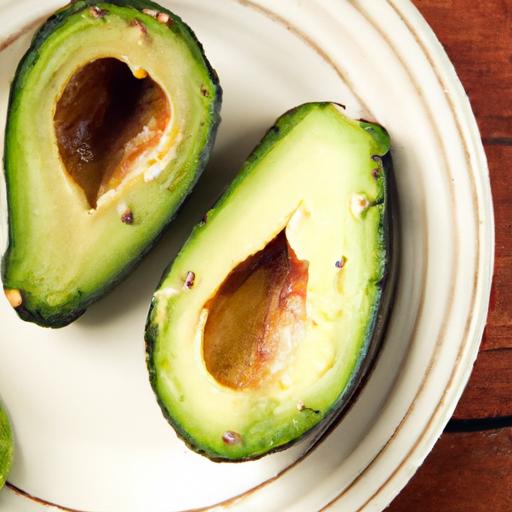
- Identify the perfect avocado: Gently press the skin near the stem. A ripe avocado yields slightly to firm, springing back softly. If firm with no give, it needs ripening; overly soft means it’s overripe.
- Ripen as needed: Place firm avocado in a paper bag with an apple or banana to trap ethylene gas, accelerating ripening within 2-3 days.
- Prepare for storage: If already ripe and ready to store, gently wash and pat the avocado dry to reduce moisture that encourages molding.
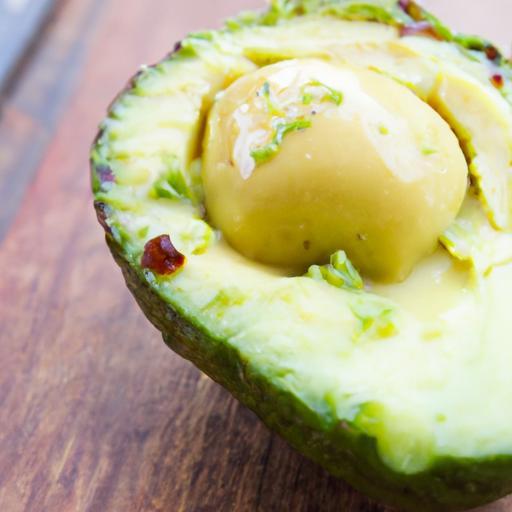
- Prevent browning: For cut avocados, squeeze fresh lemon or lime juice over the exposed flesh. The citrus’s acidity slows enzymatic browning dramatically.
- Wrap tightly or seal: Using plastic wrap, wrap the avocado halves tightly, ensuring minimal air contact, or store in an airtight container. Place a cut onion half inside the container to absorb oxygen and prolong green freshness naturally.
- Refrigerate wisely: Store wrapped avocados in the coolest part of your fridge, typically the vegetable drawer, to maintain ideal temperature and humidity.
- Serving tips: When ready to use, cautiously expose the avocado to air, and use promptly for peak color and flavor. If minor browning appears, scrape it off gently; the vibrant green underneath is perfectly good to enjoy.
Chef’s Notes: Tips for Success
- Whole avocado ripeness: Avoid refrigerating unripe avocados; cold halts the ripening process. Only refrigerate once they yield slightly when pressed.
- Innovative sealing: Consider lightly brushing the cut surface with olive oil before wrapping to form an airtight coating that further prevents oxidation.
- Use airtight containers: Glass containers with well-fitting lids trap fewer odors and moisture fluctuations, preserving freshness better than plastic options.
- Onion trick explained: Storing avocado with cut onions imparts sulfur compounds that inhibit the enzymatic reaction causing browning.
- Make-ahead: You can prepare and store avocado up to 24 hours in advance for meal prepping – just keep it sealed tightly with a squeeze of citrus juice.
Serving Suggestions
- Slice preserved avocado over salads to maintain vibrant green hues that delight both the eye and palate.
- Use evenly fresh avocados as a creamy base for smoothies or toast spreads, garnished with crushed chili flakes or fresh herbs.
- Perfectly stored avocados maintain creamy texture for dips like guacamole, topped with diced tomatoes, cilantro, and a sprinkle of sea salt.
- Enhance breakfast bowls by combining avocado with poached eggs and a drizzle of extra virgin olive oil for a fresh, healthy start.
| Nutritional Element | Per Medium Avocado (150g) |
|---|---|
| Calories | 240 |
| Protein | 3 g |
| Carbohydrates | 12 g (9 g fiber) |
| Fat | 22 g (mostly healthy monounsaturated) |
Discover creative avocado recipes here to elevate your freshness preservation techniques. For further scientific insights on avocado browning, visit ScienceDaily’s report on enzymatic browning in avocados.

Q&A
Q&A: Keep Avocados Fresh – Tips to Store and Stay Green Longer
Q1: Why do avocados turn brown so quickly after cutting them?
A1: When you slice into an avocado, you expose its creamy flesh to oxygen. This triggers a natural process called oxidation, causing the avocado to brown, much like how an apple darkens after being cut. It’s a harmless process, but it can make your avocado look less appealing.
Q2: What’s the best way to store a whole avocado to keep it fresh?
A2: Keep whole avocados at room temperature until they ripen. Once they give slightly under gentle pressure, pop them into the fridge. The cooler environment slows down the ripening, helping your avocado stay fresh and green for several more days.
Q3: How can I store a cut avocado without it turning brown?
A3: To preserve your cut avocado, first leave the pit in the half you want to keep-this reduces exposed surface area. Then, brush the exposed flesh with lemon or lime juice, cover it tightly with plastic wrap or place it in an airtight container, and refrigerate. The citrus acid slows oxidation, keeping your avocado vibrant.
Q4: Can I freeze avocados for longer storage?
A4: Absolutely! For freezing, mash the avocado with a pinch of salt or a bit of lemon juice, then store it in an airtight container or freezer bag. Frozen avocado is perfect for smoothies, dressings, or guacamole but may lose its firm texture upon thawing, so it’s best suited for recipes where creamy texture reigns supreme.
Q5: Are there any natural tricks to help keep avocado halves fresh overnight?
A5: Yes! Besides the classic lemon juice trick, placing the avocado half flesh-side down on a slice of onion in an airtight container can help. Onions release compounds that slow browning. Alternatively, storing the avocado with a damp paper towel wrapped around it also keeps moisture in and decay out.
Q6: How do I know if an avocado has gone bad?
A6: A bad avocado will smell sour or rancid, feel overly mushy or slimy, and may have dark streaks or mold. If your avocado looks or smells off, it’s best to toss it. When in doubt, trust your senses-fresh avocados have a mild, nutty aroma and firm but yielding flesh.
Q7: What’s one quick tip for keeping guacamole green and fresh?
A7: For guacamole, smooth a thin layer of lime juice over the surface, then cover tightly with plastic wrap pressed directly onto the dip. This creates a barrier against oxygen and helps your guac stay bright and tasty-perfect for party leftovers or next-day snacking.
Keep these handy tips in your kitchen arsenal, and say goodbye to brown, wasted avocados. With the right storage magic, you’ll enjoy creamy green goodness every time!
To Conclude
Keeping avocados fresh doesn’t have to be a mystery or a gamble. With these simple, science-backed tips in your kitchen toolkit, you can extend the life of your green gems and savor their creamy goodness longer. Whether you’re halving one for toast, blending it into a smoothie, or storing leftovers for tomorrow’s salad, a little mindful care goes a long way. So next time you bring home those luscious avocados, remember: freshness is a journey-and with the right storage tricks, your avocados will stay as vibrant and delicious as the day you bought them. Here’s to enjoying that perfect green ripeness, every time!