
In a world where schedules shift like sand dunes and taste buds crave variety, the idea of a one-size-fits-all meal plan feels more like a distant memory than a practical reality. Enter the era of flexible meal plans-your ultimate solution to adaptable eating choices that bend and flow with your daily life. Whether you’re a busy professional racing against the clock, a fitness enthusiast with evolving nutritional goals, or simply someone who loves to explore new flavors without the hassle, flexible meal plans offer a refreshing approach to nourishment. This guide will unravel the art of designing meals that are not only balanced and satisfying but also tailored to your unique lifestyle, tastes, and whims. Welcome to the future of eating smart, staying vibrant, and enjoying every bite on your own terms.
Flexible Meal Plans: Your Guide to Adaptable Eating Choices
Flexible meal plans unlock the true potential of personalized eating, allowing you to tailor dishes to meet diverse dietary needs and seasonal availability. Embracing this approach brings the joy of creativity to your kitchen, empowering you to craft vibrant, nutritious meals that adapt effortlessly to lifestyle changes and ingredient freshness.
Prep and Cook Time
Preparation: 15 minutes | Cooking: 25 minutes | Total: 40 minutes
Yield
Serves 4 generous portions
Difficulty Level
Easy to Medium – perfect for home cooks eager to experiment with versatility.
Ingredients
- 1 cup quinoa, rinsed thoroughly
- 2 cups vegetable broth or seasonal vegetable stock
- 1 medium carrot, diced
- 1 cup zucchini, chopped (choose local, fresh zucchini)
- 1 red bell pepper, diced
- 1 small red onion, finely chopped
- 2 cloves garlic, minced
- 1 cup kale or spinach, roughly chopped
- 2 tablespoons olive oil
- Salt and freshly ground black pepper, to taste
- Juice of 1 lemon
- ¼ cup chopped fresh herbs (parsley, cilantro, or basil – use what’s available and fresh)
- Optional protein: 1 cup cooked chickpeas, grilled chicken, or tofu cubes
Instructions
- Cook the quinoa: In a medium saucepan, bring the vegetable broth to a boil. Add the rinsed quinoa, reduce heat to low, cover, and simmer for 15 minutes, or until quinoa is tender and liquid is absorbed. Fluff with a fork and set aside.
- Sauté the aromatics: Heat olive oil in a large skillet over medium heat. Add red onion and garlic, cooking until fragrant and translucent, about 3 minutes.
- Add the vegetables: Introduce carrot, red bell pepper, and zucchini to the skillet. Sauté for 5-7 minutes, stirring occasionally until vegetables soften but retain some bite.
- Incorporate greens and herbs: Toss in the kale or spinach and cook until wilted, about 2 minutes. Remove skillet from heat.
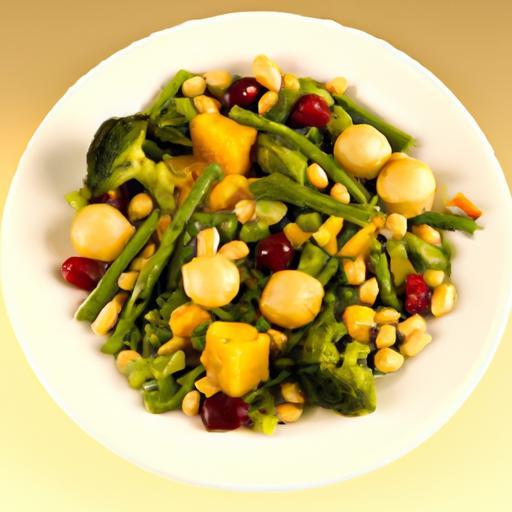
- Combine all components: Gently fold the cooked quinoa into the vegetable mixture along with your choice of optional protein. Drizzle lemon juice over the dish and season with salt and pepper according to taste. Sprinkle chopped fresh herbs for a burst of flavor.
- Serve warm or chilled: This flexible meal can be enjoyed hot as a wholesome main or cooled as a refreshing salad.
Tips for Success
- Swap in seasonal vegetables such as roasted butternut squash in autumn or asparagus in spring to keep your meals fresh and exciting.
- For a heartier texture, toast the quinoa in a dry skillet for 3-4 minutes before cooking to bring a nutty depth.
- Use homemade or store-bought broth based on what’s available; vegetable broth enhances flavor more than water.
- Make it vegan by adding hearty beans or tempeh and skipping any animal proteins.
- Prepare quinoa in advance during meal prep days to save time on busy weeknights.
Serving Suggestions
Present this adaptable dish with a dollop of plain Greek yogurt or creamy avocado slices to add richness. Garnish with a few edible flowers or microgreens for an elegant, Instagram-worthy touch. Pair with crusty whole-grain bread and a crisp white wine for a balanced, inviting meal.
| Nutrient | Per Serving |
|---|---|
| Calories | 320 kcal |
| Protein | 10 g |
| Carbohydrates | 45 g |
| Fat | 8 g |
Explore our Seasonal Ingredients Guide to deepen your knowledge and continue evolving your flexible meal plans.
For science-backed insights into flexible eating benefits and customization, visit Healthline’s expert resource on flexible dieting.

Q&A
Q&A: Flexible Meal Plans – Your Guide to Adaptable Eating Choices
Q1: What exactly is a flexible meal plan?
A1: Think of a flexible meal plan as a choose-your-own-adventure for your meals. It’s a nutrition strategy that embraces variety and freedom rather than rigid rules. Instead of strict menus or calorie counts, it allows you to mix and match ingredients and meals based on your cravings, schedule, and lifestyle, while still aiming for balanced nutrition.
Q2: How does flexibility in eating benefit me?
A2: Flexibility in eating can reduce food stress and guilt, making mealtime more enjoyable. It accommodates social gatherings, travel, and busy days without derailing your healthy habits. Plus, it tends to encourage a more sustainable long-term relationship with food by preventing burnout from overly restrictive diets.
Q3: Can flexible meal plans help with weight management?
A3: Absolutely. While flexible meal plans promote freedom, they still emphasize balance and mindful choices. By listening to your hunger cues and including nutrient-dense foods alongside occasional treats, you create a realistic and maintainable way to support your weight goals without feeling deprived.
Q4: How do I start building my own flexible meal plan?
A4: Start by identifying your nutritional needs and favorite foods. Create a list of go-to ingredients that cover essential food groups-think proteins, veggies, whole grains, and healthy fats. Then, experiment with swapping ingredients or meals based on what’s fresh, affordable, or just what you’re craving that day!
Q5: Can flexible meal plans accommodate dietary restrictions?
A5: Definitely! The adaptable nature of flexible meal plans means they can be tailored to any dietary needs-whether you’re vegan, gluten-free, or managing allergies. It’s all about selecting foods within your guidelines and customizing your meals to fit your unique requirements.
Q6: What role does preparation play in a flexible meal plan?
A6: Preparation is your flexibility’s best friend. When you have pre-washed veggies, cooked grains, or portioned proteins ready, it’s easier to assemble meals quickly, even when life gets busy. This groundwork allows you to stay on track without sacrificing variety or convenience.
Q7: Are there pitfalls to watch out for with flexible meal plans?
A7: While flexibility is empowering, it can sometimes lead to overindulgence if boundaries aren’t considered. The key is balance-enjoy freedom, but also tune in to hunger, fullness signals, and nutritional quality. Keeping a loose framework helps maintain progress without sacrificing the joys of eating.
Q8: How do flexible meal plans align with mindful eating?
A8: Flexible meal plans and mindful eating go hand in hand. Both encourage paying attention to your body’s signals and savoring food without judgment. This pairing helps you develop a healthier, more intuitive relationship with food, fostering long-term wellness beyond just meal composition.
With flexible meal plans, your meals become a canvas-ready to adapt, evolve, and delight your senses every day. Embrace variety, listen to your needs, and enjoy the freedom to eat well on your own terms!
Final Thoughts
As you embark on your journey toward adaptable eating, remember that flexible meal plans are not just about convenience-they’re a celebration of choice, creativity, and balance. By embracing flexibility, you invite freedom into your kitchen and nourishment into your lifestyle, making every meal an opportunity to tailor health and happiness to fit your unique rhythm. So go ahead, mix and match, savor the unexpected, and let your meal plan evolve as seamlessly as your tastes and needs do. After all, the best plan is the one that moves with you.