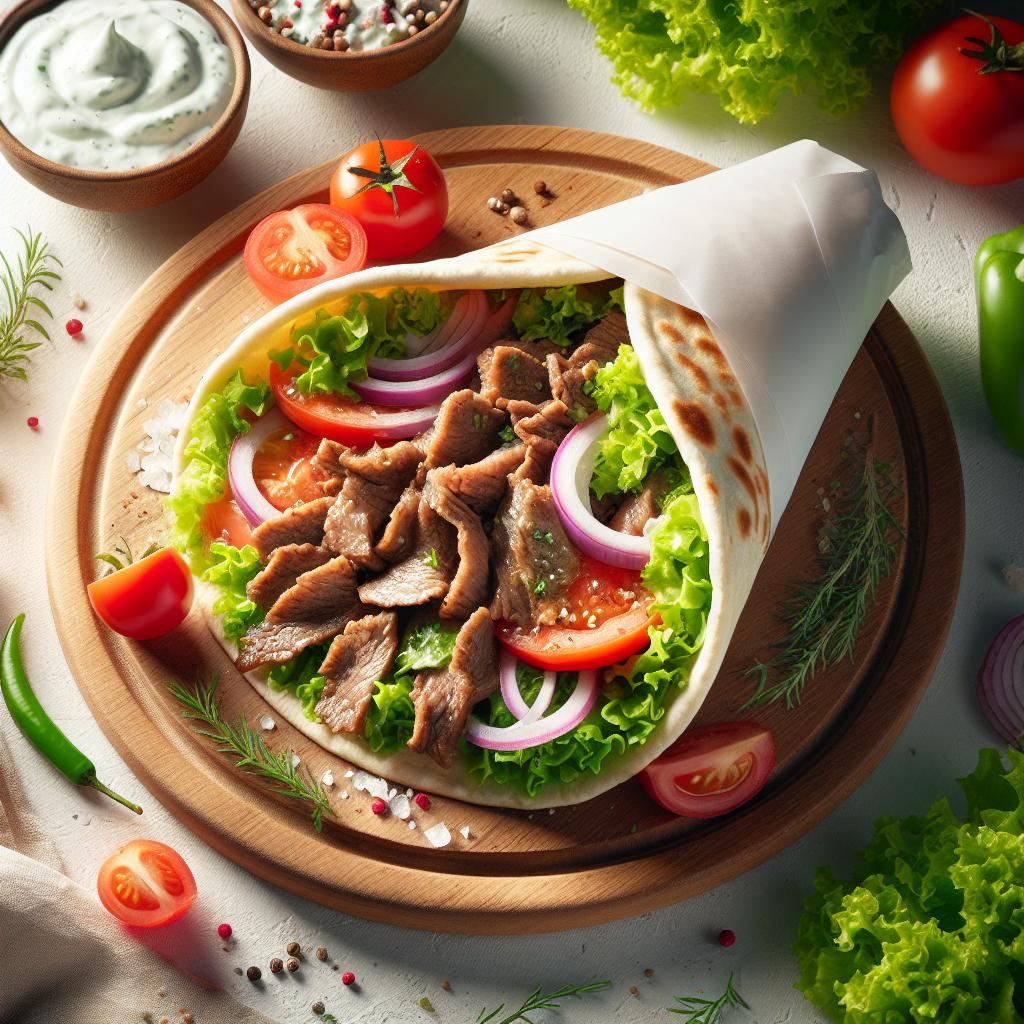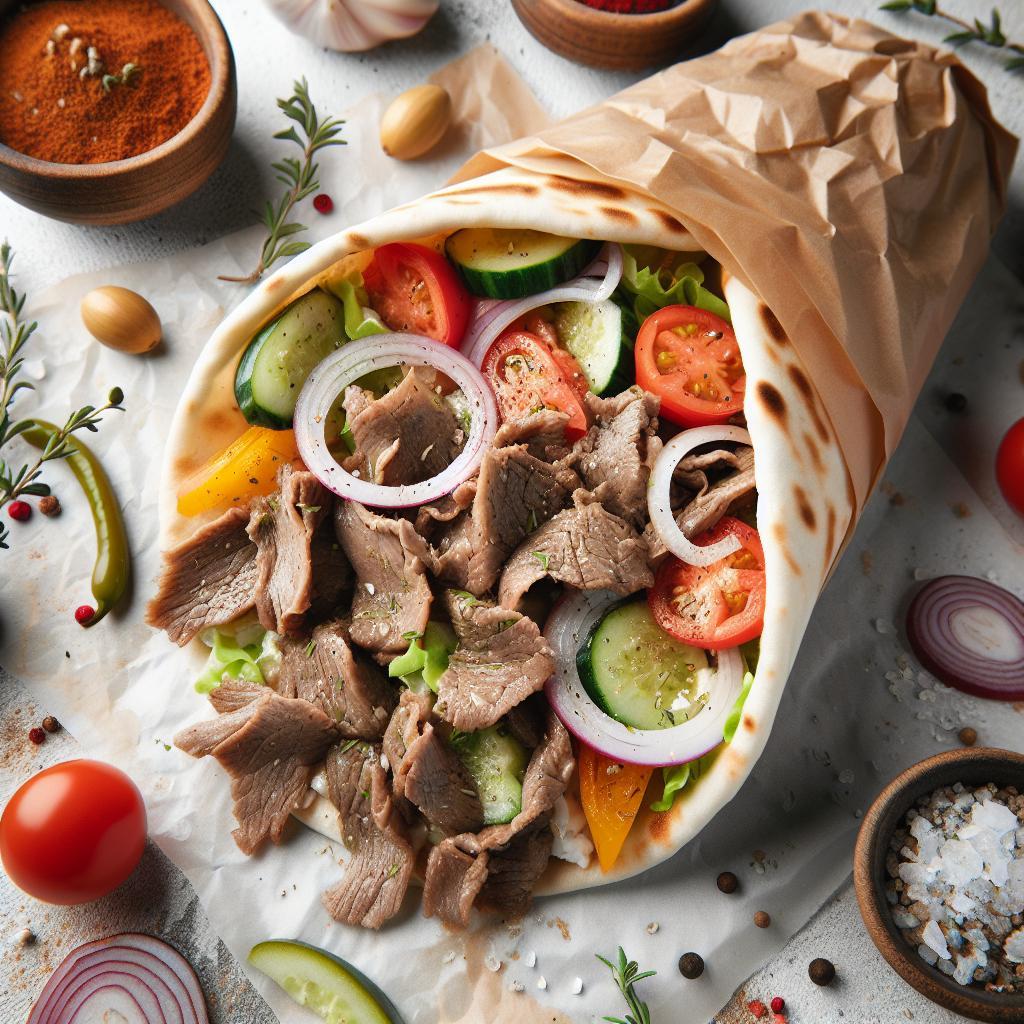

Step into the vibrant streets of Greece, where the aroma of sizzling spices and tender meat fills the air, and every corner tells a story steeped in tradition. “Beef Gyros Unwrapped: A Flavorful Journey to Greece’s Streets” invites you to embark on a culinary adventure, unraveling the layers of this iconic dish that has captured the hearts and palates of food lovers worldwide. More than just a sandwich, the beef gyro is a celebration of bold flavors, time-honored techniques, and cultural heritage wrapped in warm pita bread. Join us as we explore the origins, the artistry behind its preparation, and the irresistible taste that transports you straight to the bustling lanes of Athens and beyond.
Beef Gyros Unwrapped invites you on a savory exploration of Greece’s iconic street food staple that has captivated taste buds worldwide. This beloved dish traces its roots to the coastal regions of Greece, where layers of marinated beef are masterfully stacked and slow-grilled on vertical rotisseries before being sliced thin and wrapped in warm pita bread. The evolution of beef gyros intertwaters age-old Mediterranean flavors with a dynamic street food culture, delivering a fusion of tender textures and aromatic spices that ignite every bite.
The Art of Marinating and Grilling Perfect Beef Gyros
What sets the Beef Gyros Unwrapped experience apart is the depth of flavor achieved through its marinade and grilling process. The marinade, a symphony of fresh lemon juice, garlic, oregano, and a touch of cinnamon, tenderizes the beef while infusing it with robust, earthy notes characteristic of Greek cuisine. The secret lies in letting the beef soak overnight, allowing the citrus to break down the fibers, making each slice silky and flavorful.
Grilling the meat on a vertical spit over radiant heat produces beautifully charred edges and juicy interiors. For home cooks, a grill pan or oven broiler can replicate this effect-basting the beef intermittently with leftover marinade to keep the meat moist and aromatic.
Prep and Cook Time
- Prep Time: 30 minutes (plus 12 hours marinating)
- Cook Time: 20 minutes
Yield
Serves 4 generous beef gyros wraps.
Difficulty Level
Medium – requires marinating ahead and attention to grilling technique.
Ingredients
- 1.5 lbs beef sirloin or top round, thinly sliced
- 1/3 cup fresh lemon juice
- 1/4 cup extra virgin olive oil
- 4 cloves garlic, minced
- 1 tbsp dried oregano
- 1 tsp ground cumin
- 1/2 tsp ground cinnamon
- 1 tsp smoked paprika
- 1 tsp kosher salt
- 1/2 tsp freshly ground black pepper
- 4 large Greek pita breads
- For serving: sliced red onions, ripe tomatoes, crisp lettuce
- Tzatziki sauce (see linked recipe for authentic preparation)
Instructions
- Prepare the marinade: In a bowl, whisk together lemon juice, olive oil, garlic, oregano, cumin, cinnamon, smoked paprika, salt, and pepper until well combined.
- Marinate the beef: Place the thinly sliced beef in a resealable bag or shallow dish. Pour the marinade over the beef, ensuring each piece is coated. Seal and refrigerate for at least 12 hours, preferably overnight, for maximum flavor infusion.
- Preheat the grill or oven broiler: Heat to medium-high or broil setting. If using a grill pan indoors, preheat it until shimmering hot.
- Grill the beef: Thread the marinated beef slices onto skewers or lay them in a single layer on the grill pan. Cook for about 3-4 minutes per side, until edges are seared and beef is cooked through yet tender. Baste occasionally with leftover marinade to enhance juiciness.
- Warm the pita: Wrap pitas in foil and heat on the grill or in the oven for 2-3 minutes. Warm pitas provide the perfect soft cradle for tender beef.
- Assemble the gyros: Lay a few slices of grilled beef on each pita. Top with sliced red onions, tomatoes, lettuce, and a generous dollop of tzatziki sauce.
- Fold and serve immediately: Roll the pita around the filling and enjoy the layers of savory beef, fresh toppings, and cooling sauce in each mouthful.
Tips for Success
- Marinate the beef for at least 12 hours; this step is essential to unlocking the authentic tender texture and deep flavor of Beef Gyros Unwrapped.
- If unable to grill, use a cast iron skillet on high heat to sear the beef slices, ensuring a good caramelized crust.
- Slice the beef as thinly as possible – slightly freezing the beef before slicing can help achieve wafer-thin layers.
- For a tangier marinade twist, add a splash of apple cider vinegar or a pinch of crushed red pepper flakes for subtle heat.
- Store leftover grilled beef wrapped tightly in foil for up to 2 days; reheat gently to avoid drying out.
Serving Suggestions
Serve the beef gyros hot off the grill alongside crispy homemade fries or a refreshing Greek salad. Garnish with fresh parsley or dill for a burst of herbal brightness. To experience the full sensory delight just as locals do, curl your fingers around the gyro, savoring the melding flavors of juicy beef, aromatic herbs, creamy tzatziki, and the warm embrace of pita.
| Nutrient | Per Serving |
|---|---|
| Calories | 480 kcal |
| Protein | 38 g |
| Carbohydrates | 30 g |
| Fat | 18 g |
Explore more traditional Greek recipes linked here in this authentic souvlaki guide by Olive Tomato and learn how cooking with Mediterranean ingredients can elevate your culinary repertoire.

Q&A
Q&A: Beef Gyros Unwrapped: A Flavorful Journey to Greece’s Streets
Q1: What exactly is a beef gyro, and how does it differ from other Greek dishes?
A1: A beef gyro is a savory Greek street food featuring tender, seasoned slices of beef stacked and slow-cooked on a vertical rotisserie. Unlike souvlaki, which uses grilled meat on skewers, gyros are known for their juicy layers of meat shaved fresh off the spit and wrapped in warm, fluffy pita bread with a variety of vibrant toppings. This preparation offers a unique combination of smoky, spiced meat paired with refreshing accompaniments, creating a harmonious balance distinctive to Greek street cuisine.
Q2: How is the beef for gyros traditionally seasoned and prepared?
A2: The magic of gyro beef lies in its marinade-typically a blend of Mediterranean herbs like oregano, thyme, and rosemary, combined with garlic, lemon juice, olive oil, and warm spices such as cumin and coriander. This mixture tenderizes the meat and infuses it with layers of flavor before it’s stacked and roasted slowly on the spit to achieve that perfect crispy edge and succulent inside. This technique ensures each slice is bursting with authentic taste.
Q3: What are some traditional toppings and accompaniments that complete a beef gyro?
A3: Classic toppings include crisp slices of tomato, thinly shaved red onions, and fresh cucumbers, which add crunch and brightness. The star accompaniment is tzatziki-a creamy yogurt sauce blended with cucumber, garlic, dill, and lemon-that cools and complements the savory beef. Other additions might be pickled vegetables or a sprinkle of feta cheese, depending on regional and personal preferences.
Q4: How did gyros originate, and what role do they play in Greek street food culture?
A4: Gyros originated in Greece during the early 20th century, inspired by the Turkish döner kebab and the Middle Eastern shawarma. Greek immigrants adapted the concept to local tastes, emphasizing fresh herbs and unique spices. Today, gyros reign supreme in Greek street food culture as a beloved, quick meal enjoyed by locals and visitors alike. Their portability and robust flavors make them perfect for grabbing on the go while exploring the vibrant streets of Athens or Thessaloniki.
Q5: Can beef gyros be enjoyed beyond Greece? How have they been adapted worldwide?
A5: Absolutely! Beef gyros have charmed palates globally, inspiring countless eateries from New York to Sydney. While authentic recipes strive to maintain traditional seasoning and preparation methods, many international versions experiment with local ingredients-adding unique sauces, fresh herbs, or different vegetables-while always honoring the core elements: succulent beef, warm pita, and flavorful accompaniments. This adaptability has helped gyros transcend borders and become a staple of global street food culture.
Q6: What makes beef gyros a nutritious and satisfying meal option?
A6: Beef gyros strike a balance between protein-packed meat and fresh vegetables wrapped in wholesome pita bread. The marinade and cooking method keep the beef flavorful without excessive fat, while the tzatziki sauce adds probiotics and calcium from yogurt. With the addition of colorful vegetables, a beef gyro offers vitamins, minerals, and fiber, making it a satisfying and relatively balanced meal that’s perfect for a flavorful lunch or dinner on the go.
Q7: How can one recreate an authentic Greek beef gyro experience at home?
A7: To capture the true essence at home, start with a well-seasoned beef marinade and slice the meat thinly for even cooking in a hot skillet or oven. Prepare a homemade tzatziki using Greek yogurt, fresh cucumbers, garlic, and dill. Warm your pita bread gently to mimic that soft, pillowy texture, and assemble with fresh tomatoes, onions, and crisp greens. Serving with a side of lemon wedges allows for a final brightening splash that evokes the sunny streets of Greece in every bite.
Wrapping Up
As the sun sets over the bustling streets of Greece, the aroma of sizzling beef gyros lingers in the air-a fragrant invitation to savor a timeless culinary tradition. Unwrapping a beef gyro is more than just a meal; it’s a flavorful journey through layers of history, culture, and vibrant street life. Whether you find yourself in a busy Athenian corner or recreating the experience at home, the gyro’s perfect harmony of tender meat, fresh vegetables, and tangy tzatziki tells a story of Greek hospitality and passion. So next time you unwrap that warm pita, remember-you’re tasting centuries of Greek flavor, one delicious bite at a time.