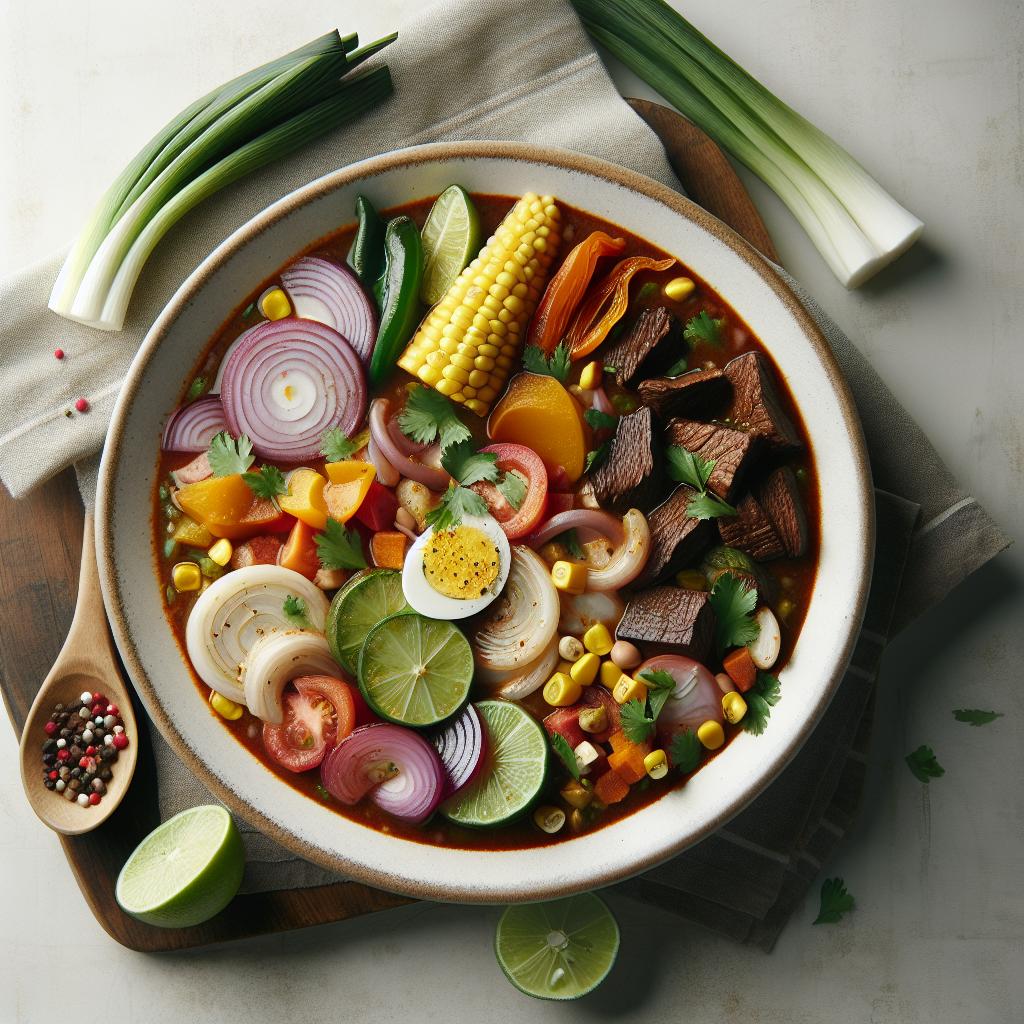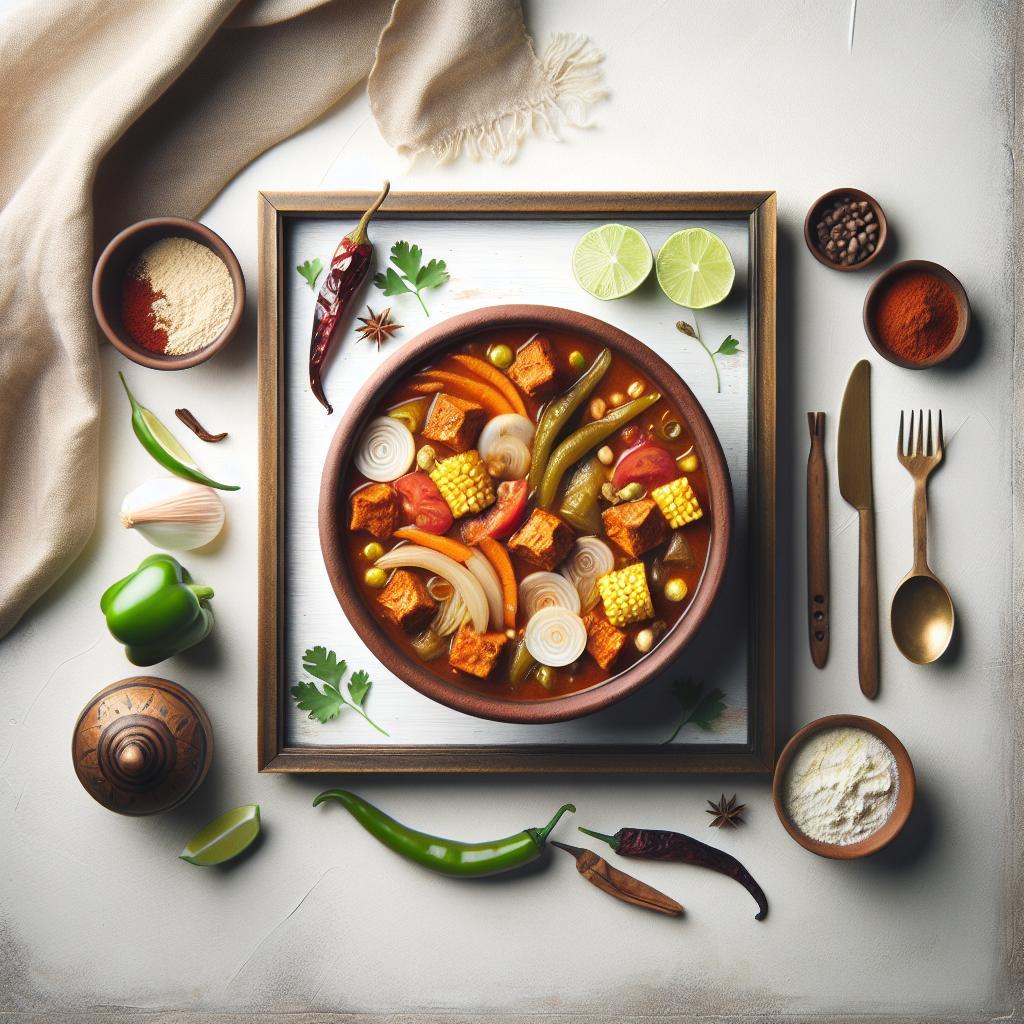

Step into a world where every spoonful tells a story-rich with history, culture, and vibrant flavors that have been lovingly simmered for generations. Traditional Mexican stews are more than just meals; they are culinary masterpieces that weave together the heritage of ancient civilizations and the zest of modern cuisine. From the smoky depths of chipotle-infused broths to the hearty embrace of slow-cooked meats and fresh, garden-picked chiles, these stews invite you to savor a symphony of tastes that celebrate Mexico’s diverse regions and time-honored cooking techniques. Join us as we explore the captivating aromas, bold spices, and soulful recipes that make Mexican stews a feast for both the palate and the heart.
Exploring the Authentic Ingredients That Bring Mexican Stews to Life
Savor the Rich Flavors of Traditional Mexican Stew Recipes by delving deep into the heart of Mexican culinary heritage, where every stew is a celebration of vibrant spices and fresh, earthy ingredients. Mexican stews are rooted in the diverse landscapes and indigenous traditions, combining native chiles, heirloom beans, and fragrant herbs that create an unforgettable sensory journey. From smoky dried guajillo and ancho chiles to the zest of fresh epazote and the warmth of cinnamon bark, each element contributes a unique layer of flavor essential to authentic dishes. These stews are not only meals but vibrant stories served hot, evoking the warmth of Mexican family tables and street markets alike.
Prep and Cook Time
- Preparation: 20 minutes
- Cooking: 2 hours 15 minutes
- Total Time: 2 hours 35 minutes
Yield
- Serves 6 hearty portions
Difficulty Level
- Medium – Perfect for home cooks looking to deepen their technique
Ingredients
- 3 tbsp vegetable oil
- 1 large white onion, finely chopped
- 4 cloves garlic, minced
- 3 dried guajillo chiles, stemmed and seeded
- 2 dried ancho chiles, stemmed and seeded
- 4 cups chicken broth (or vegetable broth for vegan option)
- 1 lb chicken thighs, boneless and skinless, cut into chunks
- 2 medium tomatoes, roasted and pureed
- 2 medium potatoes, peeled and diced
- 1 cup carrots, sliced
- 1/2 cup fresh corn kernels (optional but highly recommended)
- 1/4 cup fresh epazote, chopped (or substitute fresh cilantro)
- 1 tsp dried oregano
- 1/2 tsp ground cumin
- 1/4 tsp ground cinnamon
- Salt and freshly ground black pepper, to taste
- Juice of 1 fresh lime
Instructions
- Rehydrate the chiles: In a medium bowl, soak guajillo and ancho chiles in hot water for 15 minutes until tender. Drain and puree with 1 cup of the broth until smooth. Set aside.
- Sauté aromatics: Heat 2 tablespoons of vegetable oil in a large pot over medium heat. Add the chopped onion and sauté until translucent, about 5 minutes. Add minced garlic and cook for another minute until fragrant.
- Toast spices: Sprinkle in dried oregano, cumin, and cinnamon. Stir continuously to release their aroma, approximately 1 minute.
- Build the stew base: Pour the chile purée into the pot and mix well with the aromatics. Add the pureed roasted tomatoes and stir to combine. Cook for 5 minutes, allowing the flavors to meld and thicken slightly.
- Add protein and vegetables: Add chicken thighs, potatoes, carrots, and corn kernels (if using). Pour in the remaining broth, stir well, and bring the stew to a gentle boil.
- Simmer gently: Reduce the heat to low and cover. Let simmer for about 1.5 hours, stirring occasionally, until the chicken is tender and the vegetables are cooked through.
- Season and finish: Stir in chopped epazote and fresh lime juice. Taste and adjust salt and pepper accordingly. If you prefer a thicker consistency, simmer uncovered for an additional 10 minutes.
- Rest and serve: Allow the stew to rest off the heat for 10 minutes before serving to let the flavors fully meld.
Tips for Success
- Chiles: Use fresh dried chiles for the liveliest flavor; remove seeds to control heat.
- Make it vegetarian: Substitute chicken with hearty mushrooms or jackfruit and use vegetable broth.
- Advance prep: Stews deepen in flavor if made a day ahead; refrigerate and reheat gently.
- Texture control: For a creamier texture, blend a portion of the stew before adding the epazote.
- Epazote substitute: If you cannot find fresh epazote, add a bay leaf during cooking and finish with fresh cilantro.
Serving Suggestions
Present your Mexican stew with fluffy white rice or warm, rustic corn tortillas for the perfect soak-up experience. Garnish with a sprinkle of fresh cilantro, finely chopped red onion, and a few avocado slices for a creamy contrast. A wedge of lime on the side brightens each bite. For beverages, pair boldly spiced stews with a cold agua fresca such as hibiscus or tamarind, or a refreshing glass of iced horchata to complement the smoky, layered flavors.
| Nutrient | Amount per Serving |
|---|---|
| Calories | 350 kcal |
| Protein | 28 g |
| Carbohydrates | 25 g |
| Fat | 12 g |

For more culinary inspiration on Mexican classics, explore our comprehensive guide to Mexican sauces and elevate your traditional stew experience.
Q&A
Q&A: Savor the Rich Flavors of Traditional Mexican Stew Recipes
Q1: What makes traditional Mexican stews so unique and flavorful?
A1: Traditional Mexican stews boast a vibrant tapestry of flavors thanks to their masterful use of fresh herbs, dried chiles, and regional spices. The layering of ingredients like tomatoes, earthy beans, and smoky chilies-combined with slow cooking-creates rich, complex tastes that evoke the warmth of Mexican home cooking.
Q2: Which staple ingredients are commonly found in Mexican stew recipes?
A2: Staples include aromatic onions and garlic, hearty beans, tender cuts of beef or chicken, dried chiles like guajillo and ancho, fresh cilantro, and flavorful spices such as cumin and oregano. Corn tortillas or hominy often add texture and depth to these comforting dishes.
Q3: Can you name a few iconic traditional Mexican stews?
A3: Certainly! Some beloved classics include Pozole, a hearty hominy stew spiced with chiles; Birria, a deeply savory slow-cooked beef stew; and Caldo de Res, a wholesome beef and vegetable broth. Each offers a distinct regional twist on the concept of a warming, nourishing stew.
Q4: What cooking techniques enhance the flavor of these stews?
A4: Slow simmering is key, allowing flavors to meld and ingredients to tenderize beautifully. Toasting dried chiles before blending them releases smoky oils that form the stew’s backbone. Some recipes call for lightly sautéing spices or aromatics to intensify their fragrance before adding broth or vegetables.
Q5: Are there vegetarian or vegan versions of traditional Mexican stews?
A5: Absolutely! Many Mexican stews can be adapted by highlighting beans, hearty vegetables like zucchini and potatoes, and rich vegetable broths. Nopales (cactus paddles) and mushrooms also add unique textures and flavors, creating satisfying vegan dishes that honor traditional seasoning.
Q6: How can one balance heat and flavor when working with Mexican chiles in stews?
A6: Start by choosing milder dried chiles such as guajillo or pasilla to build a deep flavor without overwhelming spiciness. Removing seeds and veins reduces heat, while toasting them enhances smokiness. Remember: slow cooking mellows chile heat, allowing rich flavors to shine through.
Q7: What makes Mexican stews an ideal comfort food?
A7: Beyond their robust flavors, Mexican stews provide warmth, sustenance, and a sense of tradition with every spoonful. Their vibrant colors and layers of savory, spicy, and earthy notes bring comfort and connection-a true celebration of Mexico’s culinary heritage.
Closing Remarks
As you close the lid on these rich, simmering pots of tradition, remember that each spoonful of Mexican stew is more than just a meal-it’s a journey through vibrant markets, sun-drenched fields, and centuries of culinary artistry. Whether it’s the smoky depth of chipotle or the fresh zing of tomatillo, these stews invite you to savor not only flavors but stories of heritage and heart. So gather your ingredients, let the aromas fill your kitchen, and indulge in the warm embrace of traditional Mexican stews-where every bite is a celebration of culture and comfort.