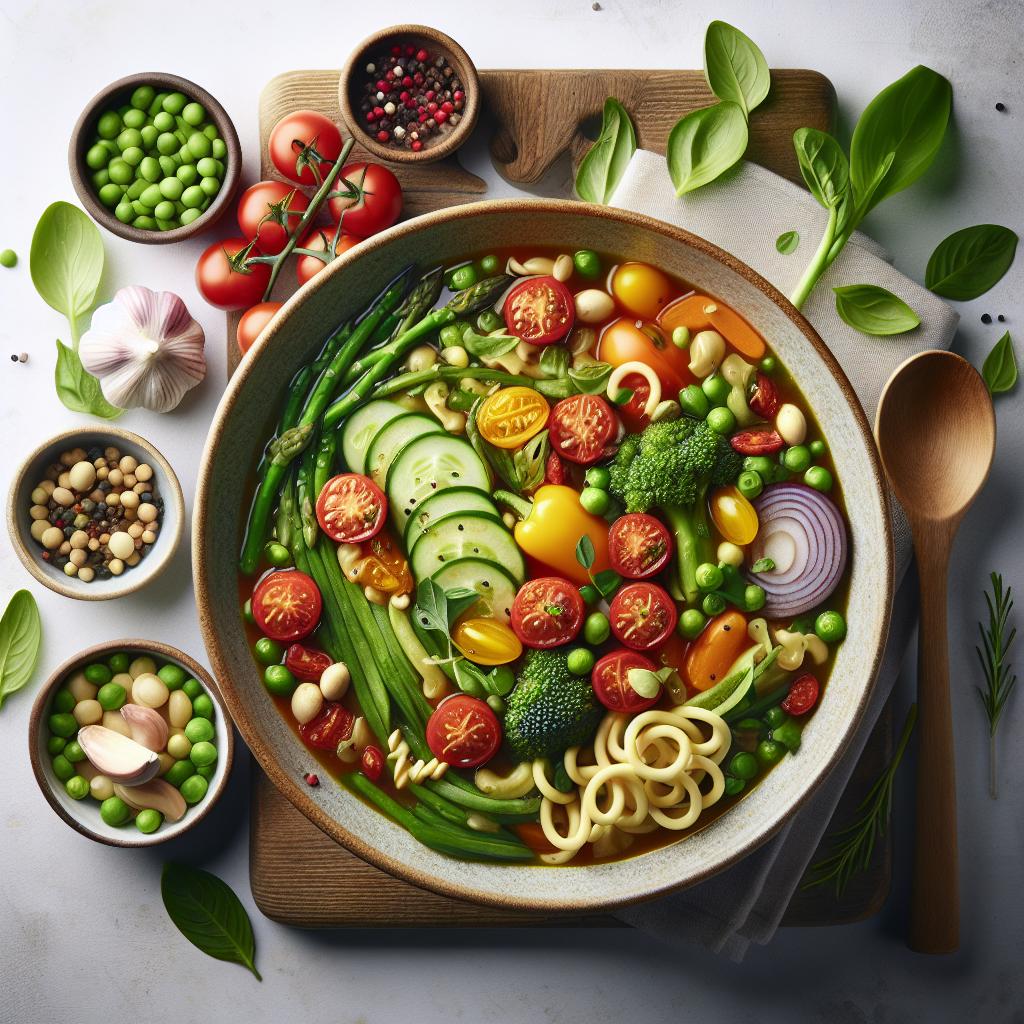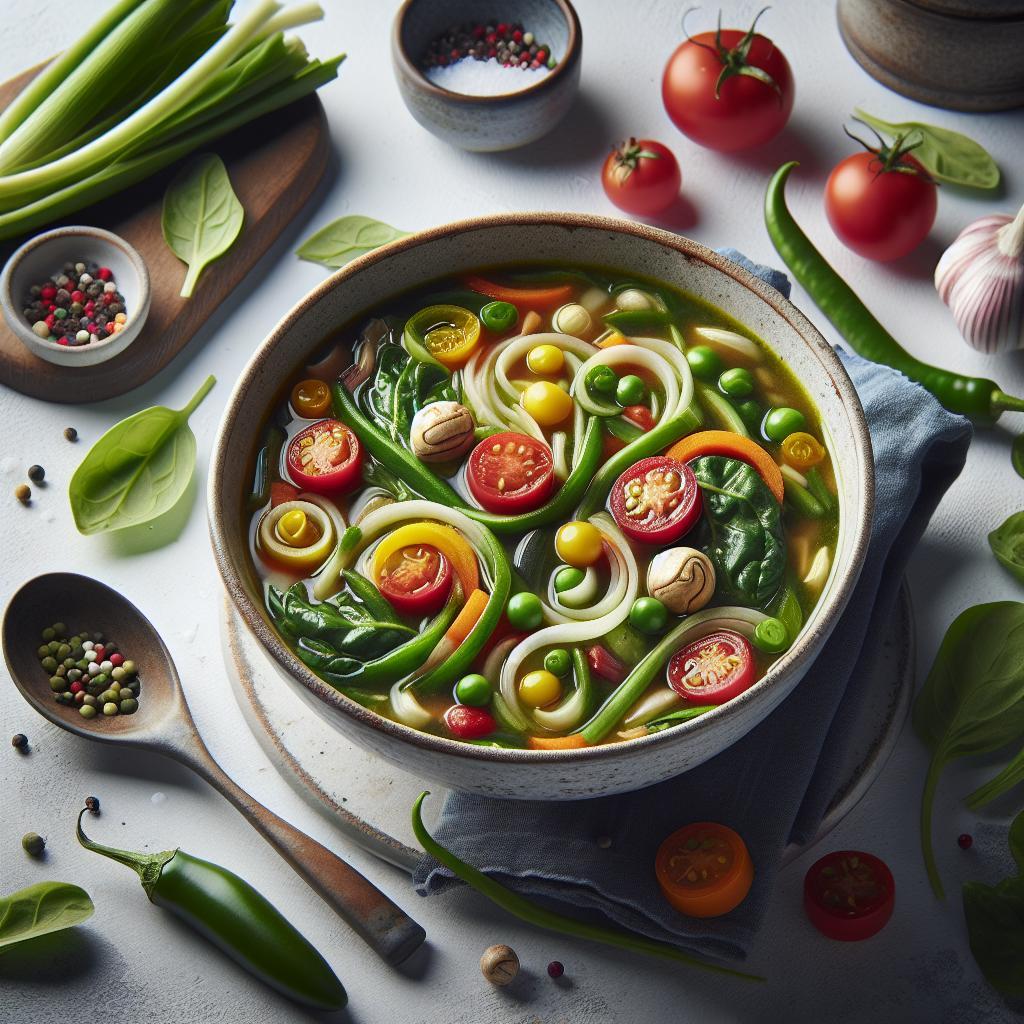

There’s a kind of magic that happens when the earth’s freshest treasures come together in a single, simmering pot-welcome to the world of Garden Minestrone Magic. This hearty Italian classic isn’t just a soup; it’s a vibrant celebration of the garden’s bounty, transforming humble vegetables into a symphony of flavors with every spoonful. From the tender crunch of summer beans to the sweetness of ripe tomatoes and the earthy warmth of fresh herbs, each bowl is a fresh harvest, nourishing body and soul alike. In this article, we’ll explore the art of crafting the perfect minestrone, uncover seasonal variations, and share tips to make your garden’s produce shine in this timeless, wholesome dish. Get ready to taste the magic of fresh-from-the-garden goodness, simmered to perfection and served with love.
Garden Minestrone Magic: A Fresh Harvest in Every Bowl
Garden Minestrone Magic celebrates the bounty of the season, transforming humble farm-fresh vegetables into a comforting symphony of flavors and textures. This recipe is inspired by traditional Italian countryside kitchens, where the freshest harvests guide every creation. The secret lies in layering each component thoughtfully – from a perfectly crafted broth base to the careful balance of beans, pasta, and greens – culminating in a bowl that’s as nourishing as it is visually captivating.
Prep and Cook Time
- Preparation: 25 minutes
- Cooking: 45 minutes
- Total Time: 1 hour 10 minutes
Yield
- Serves 6 hearty bowls
Difficulty Level
- Medium – approachable for confident home cooks
Ingredients
- 3 tablespoons extra virgin olive oil
- 1 large onion, finely diced
- 3 cloves garlic, minced
- 2 medium carrots, peeled and diced
- 2 stalks celery, diced
- 1 medium zucchini, diced
- 1 medium yellow squash, diced
- 1 cup fresh green beans, trimmed and cut into 1-inch pieces
- 1 cup canned cannellini beans, rinsed and drained
- 1 cup small whole wheat pasta (e.g., ditalini or elbow macaroni)
- 6 cups vegetable broth (homemade or low-sodium store-bought)
- 2 medium tomatoes, peeled and chopped or 1 cup canned diced tomatoes
- 2 cups fresh spinach, roughly chopped
- 1 teaspoon dried oregano
- 1 teaspoon dried basil
- Salt and freshly ground black pepper, to taste
- Fresh parsley and grated Parmesan (or vegetarian hard cheese), for garnish
- Fresh lemon zest (optional, for brightening flavors)
Instructions
- Prepare the base: In a large heavy-bottomed pot, heat the olive oil over medium heat. Add the diced onion, carrots, and celery. Sauté until softened and translucent, about 7 minutes. Stir occasionally to prevent sticking.
- Add aromatics: Stir in the minced garlic, dried oregano, and dried basil. Cook for 1-2 minutes until fragrant, careful not to brown the garlic.
- Build the broth base: Pour in the vegetable broth and bring the mixture to a gentle simmer. Add the chopped tomatoes and season lightly with salt and pepper. Let this simmer uncovered while you prep the vegetables.
- Layer the freshness: Add the diced zucchini, yellow squash, and green beans to the pot. Simmer for 10 minutes, allowing the vegetables to soften but retain a slight bite.
- Incorporate beans and pasta: Stir in the drained cannellini beans and add the whole wheat pasta. Continue to simmer gently, stirring occasionally, until the pasta is al dente-about 8-10 minutes. Add more broth or water if the soup thickens too much.
- Add vibrant greens: Just before turning off the heat, fold in the fresh spinach. Stir gently until wilted, about 2 minutes. Taste and adjust seasoning with salt and pepper.
- Finishing touches: For a citrusy lift, grate a bit of lemon zest over the soup. Ladle into warmed bowls, then garnish with freshly chopped parsley and a sprinkle of grated Parmesan.
Chef’s Notes and Tips for Success
- Seasonal swaps: This recipe shines with whatever fresh vegetables your garden or market offers. Try adding peeled peas, asparagus tips, or diced bell peppers when in season.
- Broth building: For an even richer broth, roast some vegetable scraps (carrot tops, onion ends, garlic cloves) beforehand and simmer them with the stock.
- Texture balance: Avoid overcooking vegetables and pasta to preserve freshness and prevent a mushy texture-this is key to Garden Minestrone Magic’s vibrant appeal.
- Make-ahead tip: Soup flavors deepen overnight, but keep pasta separate if possible to avoid sogginess when reheating.
- Vegan variation: Omit the Parmesan or substitute with nutritional yeast or a plant-based hard cheese alternative.
Serving Suggestions
Present this soup steaming hot in deep rustic bowls to emphasize its hearty nature. Garnish with bright fresh parsley sprigs and a fine dusting of grated Parmesan for a classic finish. Serve alongside crunchy garlic bread or simple focaccia brushed with olive oil and sea salt for a balanced meal. For a pop of color and flavor, add a drizzle of high-quality finishing olive oil or a squeeze of fresh lemon juice just before serving. This dish beautifully pairs with a crisp and refreshing salad of arugula and radishes drizzled with lemon vinaigrette to complete your garden-to-table feast.

| Nutrient | Per Serving |
|---|---|
| Calories | 220 kcal |
| Protein | 10 g |
| Carbohydrates | 35 g |
| Fat | 5 g |
Explore more vibrant vegetable recipes here or deepen your knowledge of vegetable nutrition at the USDA ChooseMyPlate resource.
Q&A
Q&A: Garden Minestrone Magic: A Fresh Harvest in Every Bowl
Q1: What makes garden minestrone different from traditional minestrone?
A1: Garden minestrone celebrates the vibrant bounty of your own backyard or local farmers’ market. It highlights fresh, seasonal vegetables and herbs, making each bowl a colorful mosaic of nature’s best, rather than relying heavily on pantry staples or canned ingredients.
Q2: Which vegetables best capture the essence of a garden minestrone?
A2: Think of tender green beans, sweet zucchini, plump tomatoes, garden-fresh carrots, celery, and leafy spinach or kale. These ingredients create layers of texture and flavor that are as refreshing as the garden itself.
Q3: Can garden minestrone be adapted for different seasons?
A3: Absolutely! Spring might offer young peas and tender asparagus, while summer brings in juicy tomatoes and fragrant basil. Fall introduces hearty root vegetables like sweet potatoes and parsnips, making garden minestrone a versatile canvas for every harvest.
Q4: What are some creative ways to enhance the broth in a garden minestrone?
A4: Start with a rich vegetable stock infused with garlic, bay leaves, and fresh thyme. Finish with a splash of fresh lemon juice or a sprinkle of grated Parmesan cheese to add brightness and depth.
Q5: How can gardeners ensure they have ingredients ready for making minestrone?
A5: Succession planting is key-staggering sowing times for different crops ensures you have a steady supply of fresh vegetables throughout the growing season. Also, companion planting can help maximize space and support plant health.
Q6: Is garden minestrone suitable for vegetarians and vegans?
A6: Yes! By using vegetable stock and omitting dairy toppings or substituting them with plant-based alternatives, garden minestrone can easily be a wholesome, plant-powered meal.
Q7: What is the secret to getting a perfect texture in garden minestrone?
A7: Timing is everything. Add vegetables in stages, starting with the firmest ones and finishing with leafy greens and delicate herbs near the end, preserving their crispness and vibrant color.
Q8: How can leftovers be transformed into new dishes?
A8: Leftover garden minestrone can be blended into a creamy vegetable soup, mixed into grain bowls for extra flavor, or used as a hearty sauce over pasta or roasted veggies.
Q9: What makes garden minestrone a magical meal to share?
A9: It’s the celebration of nature’s generosity in every spoonful-nourishing, comforting, and bursting with the fresh flavors of the garden. Sharing it connects us to the earth and the rhythms of the seasons.
Q10: Any tips for showcasing garden minestrone when serving guests?
A10: Serve it in rustic bowls with a drizzle of good olive oil and a sprinkle of fresh herbs. Pair it with crusty bread or a side salad of garden greens to create a feast that’s as beautiful as it is delicious.
In Conclusion
As the last spoonfuls of Garden Minestrone Magic warm your soul, you’re reminded that this humble bowl is more than just soup-it’s a celebration of nature’s bounty, a vibrant tapestry woven from the freshest harvests of the season. Each morsel tells a story of sun-soaked gardens, nurturing rains, and the simple joy of gathering ingredients straight from the earth. Whether you’re a seasoned gardener, a curious cook, or a devoted soup lover, let this hearty, colorful creation inspire your next kitchen adventure. After all, in every bowl of minestrone, there’s a garden’s worth of magic waiting to be savored-one fresh, flavorful spoonful at a time.