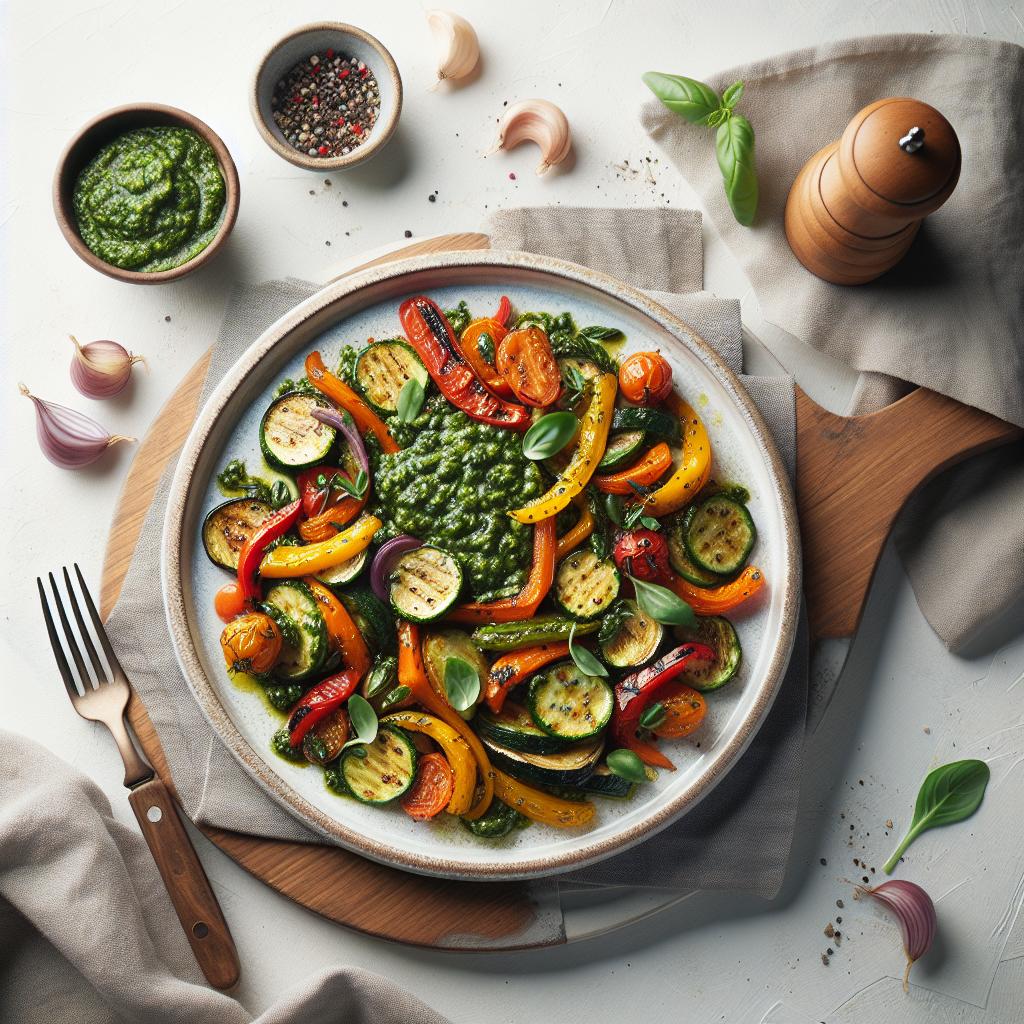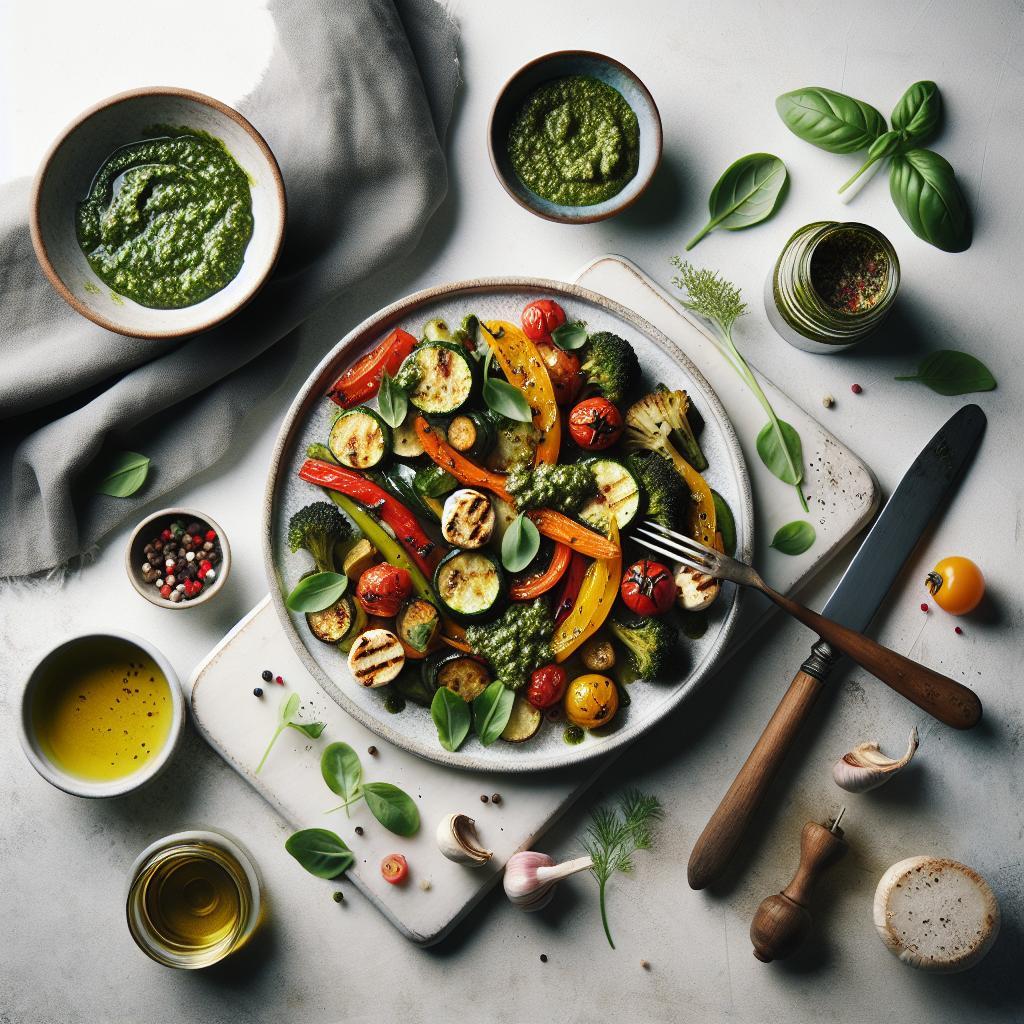

There’s something magical about the rich, vibrant flavors of a classic pesto-a fresh basil aroma married with nutty pine nuts, a sharp kiss of Parmesan, and the silky embrace of olive oil. But what if we told you there’s a way to elevate this beloved sauce into an even more unforgettable experience? Enter roasted vegetable pesto, where slow-roasted veggies bring a smoky, caramelized depth that transforms the familiar into a flavor-packed adventure. This twist on the traditional pesto not only dazzles the palate with new textures and tastes but also offers a colorful, nutrient-rich boost that’s perfect for pasta, sandwiches, or even as an unexpected dip. Ready to rediscover pesto like never before? Let’s dive into the savory world of roasted vegetable pesto and unlock a garden of taste in every spoonful.
Choosing the Perfect Vegetables to Elevate Your Pesto
Roasted Vegetable Pesto begins with the thoughtful selection of vegetables that bring the deepest, most vibrant flavors to this classic sauce reimagined. Root vegetables like roasted carrots and sweet potatoes add a natural sweetness and creamy texture that contrast beautifully with the herbaceous notes. Meanwhile, earthy roasted beets infuse a rich, jewel-toned vibrancy. For a subtle smoky undertone, include roasted bell peppers, and don’t overlook the magic of garlic cloves gently caramelized during roasting, which deepen the overall umami complexity.
Opting for firm, fresh vegetables ensures they hold their structure and flavor when roasted. Organic and in-season picks will amplify freshness, perfect for creating pesto that’s both intense and velvety-smooth.
Prep and Cook Time
- Preparation: 15 minutes
- Roasting: 30-35 minutes
- Blending and assembly: 10 minutes
- Total Time: Approximately 55-60 minutes
Yield
Approximately 2 cups of Roasted Vegetable Pesto – enough to generously serve 6-8 people.
Difficulty Level
Medium – Perfect for those comfortable with roasting and blending techniques but approachable for ambitious home cooks ready to elevate their pesto game.
Ingredients
- 2 medium carrots, peeled and cut into 1-inch pieces
- 1 medium sweet potato, peeled and cubed
- 1 red bell pepper, deseeded and quartered
- 4 garlic cloves, unpeeled
- 1 medium beet, peeled and cubed (optional for vibrant color)
- 1 cup fresh basil leaves, packed
- ½ cup fresh parsley, packed
- ¼ cup toasted pine nuts
- ½ cup freshly grated Parmesan cheese (or vegetarian-friendly hard cheese)
- 1 teaspoon lemon zest
- 3 tablespoons fresh lemon juice
- ½ cup extra virgin olive oil, plus extra to drizzle
- Salt and freshly ground black pepper to taste
Step-by-Step Guide to Crafting Roasted Vegetable Pesto at Home
- Preheat your oven to 425°F (220°C). Line a rimmed baking sheet with parchment paper for easy cleanup.
- Prepare the vegetables: Toss the carrots, sweet potato, beet, and red bell pepper with 2 tablespoons of olive oil, salt, and pepper. Spread them evenly on the baking sheet. Nestle the unpeeled garlic cloves among the vegetables.
- Roast the vegetables for 30-35 minutes, turning halfway through, until they are tender and caramelized at the edges. The garlic should be soft inside-allow it to cool slightly, then squeeze out the sweet roasted cloves.
- Combine the roasted vegetables, peeled garlic, basil, parsley, pine nuts, Parmesan, lemon zest, and lemon juice in a food processor.
- Pulse while slowly drizzling in the remaining ½ cup olive oil. Blend until smooth but still textured; scrape down the sides as needed.
- Taste and season with additional salt, pepper, or lemon juice to brighten.
- Transfer your roasted vegetable pesto to a serving bowl or jar. Drizzle a little olive oil on top for shine and freshness.
Tips for Success
- Vegetable Variations: Swap bell pepper for roasted zucchini or eggplant for a milder pesto.
- Nut Alternatives: Walnuts or almonds can replace pine nuts if preferred or for allergy considerations.
- Cheese-Free Pesto: Omit cheese and add 2 tablespoons of nutritional yeast for a vegan-friendly twist.
- Make-Ahead: Store pesto in an airtight jar with a thin layer of olive oil on top, refrigerated up to 5 days or frozen for up to 3 months.
- Avoid Overblending: Keep texture inviting by pulsing instead of fully liquefying-the delightful vegetable chunks add character.
Creative Serving Suggestions to Showcase Your Flavor-Packed Sauce
The luxurious texture and complex depth of your roasted vegetable pesto invite endless possibilities:
- Classic Pairing: Toss with al dente pasta like orecchiette or fusilli, then finish with toasted pine nuts and fresh basil leaves for an elegant dinner.
- Creative Toasts: Spread atop warm sourdough or ciabatta slices, layered with creamy ricotta or fresh mozzarella and a sprinkle of chili flakes.
- Veggie Booster: Swirl into roasted or steamed vegetables such as asparagus, cauliflower, or green beans for a flavor punch.
- Protein Partner: Use as a topping for grilled chicken breasts, baked salmon, or pan-seared tofu to brighten and elevate your entrée.
- Dip Delight: Serve chilled as a vibrant dip alongside crisp crudités, artisan crackers, or warm pita wedges.
Add a pop of color and freshness with a garnish of microgreens, edible flowers, or a sprinkle of lemon zest to complete presentation.
| Nutrient | Per 2 Tbsp Serving |
|---|---|
| Calories | 90 kcal |
| Protein | 3 g |
| Carbohydrates | 5 g |
| Fat | 7 g |

For further inspiration and a deep dive into classic pesto techniques, explore our Classic Basil Pesto Recipe. To understand the health benefits of roasting vegetables and its impact on flavor, visit Healthline’s guide on roasting vegetables.
Q&A
Q&A: Roasted Vegetable Pesto – A Flavor-Packed Twist on Classic Sauce
Q1: What makes roasted vegetable pesto different from traditional pesto?
A1: Traditional pesto usually highlights fresh basil, garlic, pine nuts, Parmesan, and olive oil, blending those vibrant flavors raw. Roasted vegetable pesto shakes things up by roasting key ingredients like tomatoes, bell peppers, or carrots first. Roasting caramelizes their natural sugars, creating a deeper, smokier, and slightly sweeter flavor profile that adds complexity and warmth to the sauce.
Q2: Which vegetables are best for roasting in this kind of pesto?
A2: The beauty of roasted vegetable pesto lies in its versatility. Roasting firm vegetables like bell peppers, cherry tomatoes, zucchini, eggplant, or even carrots creates a luscious base. These veggies soften and develop an intense, rich flavor that melds beautifully with the herbs and nuts traditionally found in pesto.
Q3: Can I use herbs other than basil in roasted vegetable pesto?
A3: Absolutely! While basil is classic, roasting opens the door to experimenting with herbs such as rosemary, thyme, or oregano. They complement the smoky sweetness of roasted vegetables and give the pesto an earthy, aromatic twist. Feel free to blend fresh herbs at the end to keep their brightness intact.
Q4: What nuts or seeds work best in this recipe?
A4: Pine nuts are classic, but roasted vegetable pesto pairs wonderfully with alternatives like toasted walnuts, almonds, pumpkin seeds, or even sunflower seeds. These choices bring unique textures and flavors-walnuts add a rich, buttery note, while pumpkin seeds offer a subtle earthiness.
Q5: How can I make the pesto creamier without using cheese?
A5: For a luscious, dairy-free creamy texture, consider blending in soaked cashews, silken tofu, or a spoonful of tahini. Nutritional yeast can add a subtle cheesy flavor without dairy, while avocado not only brings creaminess but also a fresh, buttery taste that balances the smoky roasted veggies.
Q6: Is roasted vegetable pesto suitable for meal prep or freezing?
A6: Definitely! Roasted vegetable pesto holds up wonderfully in the fridge for about 4-5 days. For longer storage, it freezes beautifully-just portion into ice cube trays or small containers. When ready to use, thaw in the fridge or gently warm to maintain that delicious, roasted richness.
Q7: What dishes pair best with roasted vegetable pesto?
A7: This sauce is a powerhouse of flavor and pairs brilliantly with a variety of dishes! Toss it with pasta, spread it over grilled vegetables, use it as a sandwich condiment, or drizzle over roasted potatoes. It’s also an excellent dip for crusty bread or raw veggie sticks, bringing a smoky, vibrant punch to any meal.
Q8: Can I customize the spice level in roasted vegetable pesto?
A8: Yes! Adding a pinch of red pepper flakes or a small roasted chili pepper to the blend infuses the pesto with a gentle heat. Roasting the chili mellows its bite while enhancing the overall complexity, allowing you to tailor the spice to your personal taste.
Q9: What oils work best for blending the pesto?
A9: Extra virgin olive oil is a fantastic choice thanks to its fruity, peppery notes that complement roasted veggies. However, for a nuttier twist, try roasted walnut oil or avocado oil-both add subtle depth and a silky texture to the pesto.
Q10: How should roasted vegetable pesto be stored to retain maximum flavor?
A10: Keep your pesto in an airtight container, and drizzle a thin layer of olive oil on top to prevent oxidation. Store it in the fridge, and bring it to room temperature before serving to allow the flavors to shine fully. This method preserves the vibrant, smoky essence and extends its shelf life.
This Q&A offers a flavorful exploration of roasted vegetable pesto, inspiring readers to reinvent a classic sauce with smoky, roasted goodness and creative twists.
Closing Remarks
Embracing the vibrant depth of roasted vegetables transforms the humble pesto into an extraordinary sauce bursting with smoky richness and layered flavors. This roasted vegetable pesto not only reinvents a beloved classic but also invites endless creativity at your table-from drizzling over pasta to elevating grain bowls and sandwiches. By melding tradition with a rustic twist, you unlock a versatile condiment that celebrates the season’s bounty and satisfies every palate. So, next time you crave pesto, let the roasted veggies take center stage and savor a flavor-packed journey that’s both familiar and refreshingly new.