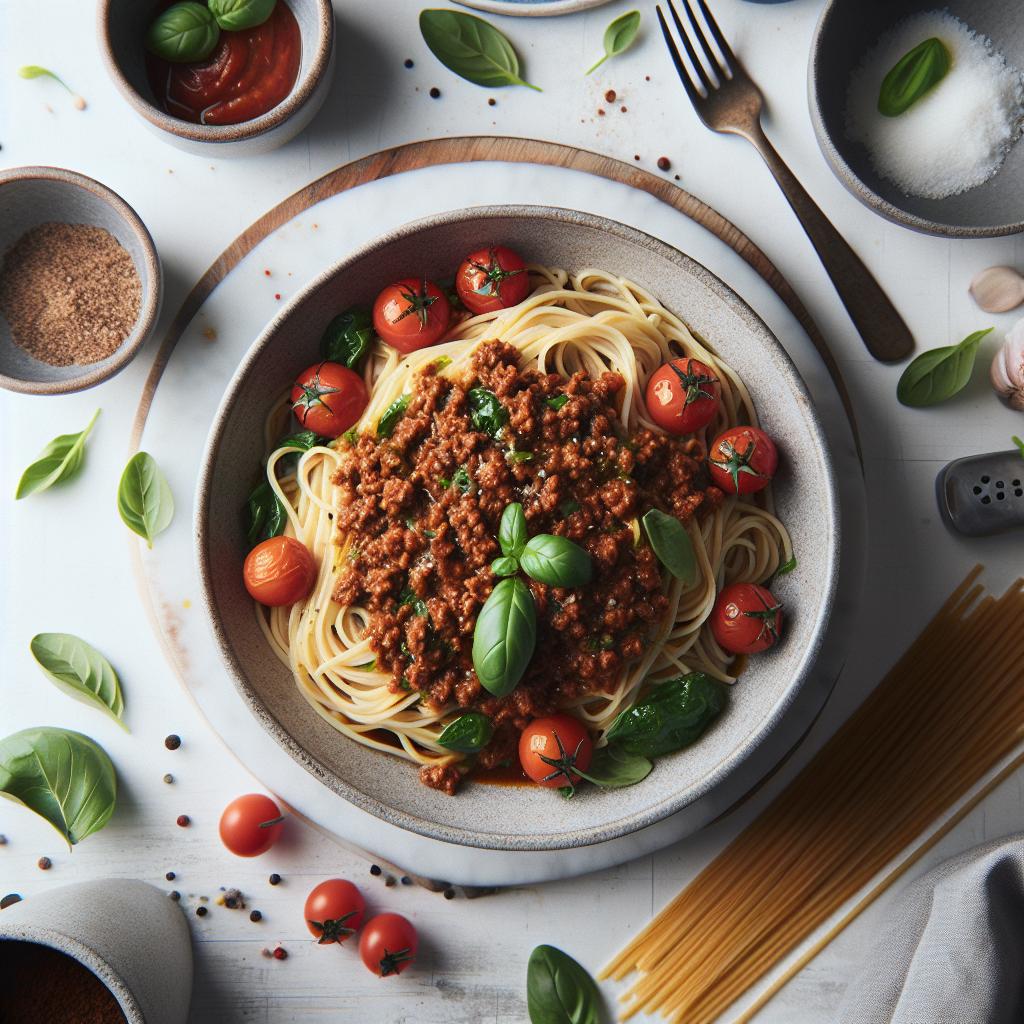

There’s something undeniably comforting about a warm plate of spaghetti Bolognese-the rich, meaty sauce clinging lovingly to every strand of pasta, the subtle dance of herbs and spices teasing the palate. But beyond its delicious allure lies a story woven through centuries, cultures, and kitchens around the world. In this article, we’ll embark on a flavorful journey to unveil the captivating history behind this iconic Italian dish, tracing its roots from humble beginnings to global fame. Along the way, we’ll also share secret recipe tips that elevate your Bolognese from simple to spectacular, turning an everyday meal into an unforgettable feast. Whether you’re a curious foodie or a passionate home cook, get ready to discover the timeless magic that makes spaghetti Bolognese an eternal classic.
Spaghetti Bolognese: Unveiling History & Secret Recipe Tips
Spaghetti Bolognese is much more than a beloved Italian dish – it’s a culinary journey that embodies rustic roots, slow-cooked passion, and the art of layering flavors. Originating from the northern city of Bologna, this meat sauce has evolved over centuries. From humble beginnings with simple ingredients to today’s rich, comforting plates, the sauce invites home cooks to taste a piece of history and creativity in every bite.
Prep and Cook Time
- Preparation: 20 minutes
- Cooking: 2 hours 30 minutes (slow simmer for depth)
- Total Time: 2 hours 50 minutes
Yield
- Serves 6 hearty portions
Difficulty Level
- Medium – Requires patient simmering and continuous taste adjustments
Ingredients
- 2 tbsp extra-virgin olive oil
- 1 medium onion, finely chopped
- 2 cloves garlic, minced
- 1 carrot, finely diced
- 1 celery stalk, finely diced
- 500g (1.1 lbs) ground beef (preferably a mix of lean and fatty)
- 150g (5 oz) pancetta or unsmoked bacon, finely chopped
- 1 cup whole milk
- 1 cup dry white wine
- 800g (28 oz) canned whole plum tomatoes, crushed by hand
- 2 tbsp tomato paste
- 1 beef bouillon cube, crumbled
- Salt and freshly ground black pepper to taste
- Freshly grated Parmigiano-Reggiano cheese to serve
- 400g (14 oz) spaghetti
- Fresh basil or flat-leaf parsley, chopped (optional garnish)
Instructions
- Heat the olive oil in a large heavy-bottomed saucepan over medium heat. Add the onion, garlic, carrot, and celery. Sauté until softened and golden brown, about 8 minutes, stirring occasionally to prevent sticking.
- Add the pancetta and cook for another 5 minutes until it releases its fat and starts to crisp.
- Increase the heat slightly and add the ground beef. Break it apart with a wooden spoon and brown well, about 10 minutes. This step is crucial for developing a deep, savory flavor.
- Pour in the milk and gently simmer until it has mostly evaporated (about 15 minutes). This softens the meat and adds a rich creaminess.
- Pour in the white wine and let it reduce by half, adding a subtle acidic balance to the sauce.
- Add the crushed tomatoes, tomato paste, and crumbled bouillon cube. Stir well, then bring to a gentle simmer. Season lightly with salt and pepper.
- Reduce the heat to low, partially cover the pan, and allow the sauce to gently simmer, stirring occasionally, for at least 2 hours. This slow cooking melds all flavors beautifully. If sauce gets too thick, add a splash of water or broth.
- While the sauce cooks, prepare the spaghetti in a large pot of salted boiling water until al dente (usually 8-10 minutes). Drain, reserving a bit of pasta water.
- Toss the spaghetti with a ladle of the Bolognese sauce and a splash of reserved pasta water to marry pasta and sauce perfectly.
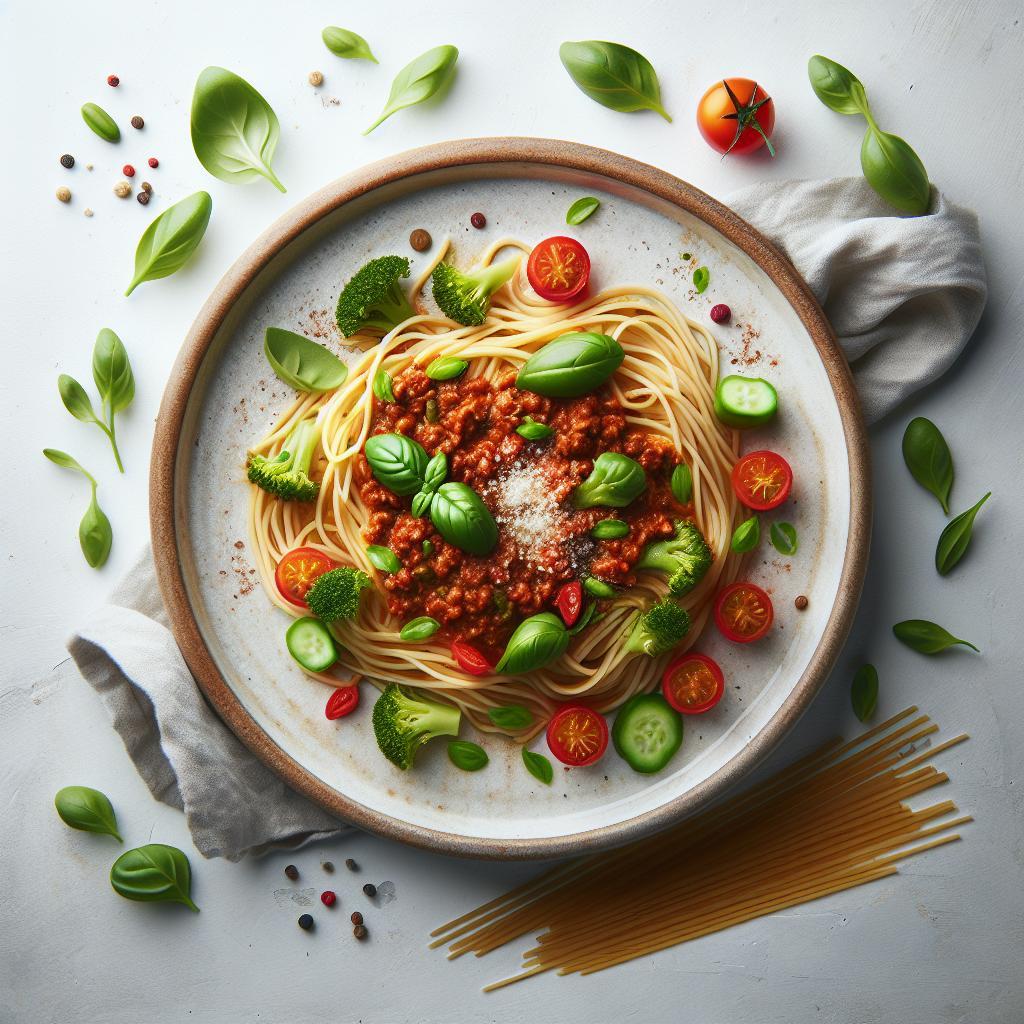
- Serve immediately, topped with a generous sprinkle of Parmigiano-Reggiano and fresh herbs. Enjoy the layers of unforgettable taste!
Tips for Success
- Meat choice: A combination of lean and fatty beef or mixing pork with beef enhances texture and depth.
- Slow simmering: Avoid rushing the sauce. The long, low heat allows flavors to develop and meat to melt into the sauce.
- Milk addition: Don’t skip adding milk early in the cooking. It tenderizes the meat and balances acidity.
- Tomato quality: Use high-quality canned tomatoes or fresh ripe tomatoes when in season.
- Make-ahead tip: The sauce tastes even better the next day – store in the fridge for up to 3 days or freeze for months.
- Wine substitution: For a non-alcoholic version, replace wine with extra broth and a splash of vinegar.
Serving Suggestions
To further elevate your serving of spaghetti Bolognese, choose wide, shallow bowls to allow the sauce to spread and mingle with every strand. Garnish with a fresh sprinkle of Parmigiano-Reggiano and aromatic herbs like basil or parsley for contrast and freshness. Complement this hearty dish with a simple green salad dressed in lemon vinaigrette and a crusty Italian bread to scoop up every last bit of sauce. A glass of robust Italian red wine such as Chianti or Barbera pairs beautifully, enhancing the dish’s rustic charm.
| Nutrient | Per Serving (Approx.) |
|---|---|
| Calories | 550 kcal |
| Protein | 35 g |
| Carbohydrates | 60 g |
| Fat | 18 g |

Discover more Italian classics like Homemade Fettuccine Alfredo to round out your pasta repertoire. For historical authenticity, see the original recipe from the Accademia Italiana della Cucina to deepen your appreciation of this timeless dish.
Q&A
Q&A: Spaghetti Bolognese – Unveiling History & Secret Recipe Tips
Q1: Where does Spaghetti Bolognese originally come from?
A1: Despite its popularity worldwide, Spaghetti Bolognese as we know it isn’t traditionally Italian, but rather inspired by the city of Bologna. The authentic dish is called Ragù alla Bolognese, a rich meat sauce served typically with tagliatelle, not spaghetti. The recipe dates back to the 18th century in Bologna, Italy, embodying a slow-cooked mixture of meat, soffritto, wine, and a hint of milk or cream.
Q2: Why is the sauce called “Bolognese”?
A2: The name “Bolognese” directly refers to Bologna, the capital of Emilia-Romagna in Northern Italy. The sauce’s roots trace back to this region, where culinary tradition favors simple, hearty meat-based sauces simmered for hours to develop deep flavors.
Q3: What sets an authentic Bolognese apart from its international variations?
A3: Authentic Bolognese is all about balance and technique. It features finely chopped or ground veal (sometimes mixed with pork), carrots, celery, onions, and often pancetta, slowly cooked with white wine, tomatoes just for color, and enriched with milk or cream to soften acidity. Unlike many international versions, it’s not a heavily tomato-based “red sauce,” nor overly spicy or herb-laden.
Q4: Can you share one secret tip for making the perfect Bolognese sauce?
A4: Absolutely! One secret trick is to start with a soffritto – gently sweat finely diced onions, carrots, and celery in butter or olive oil until soft and golden. This builds the flavor base. Also, simmer your sauce low and slow for 3 to 4 hours, adding broth or wine as needed. The slow cooking melds all flavors into a luscious, velvety sauce.
Q5: Is spaghetti the best pasta for Bolognese?
A5: Traditionalists say no! In Bologna, ragù alla Bolognese is traditionally served with tagliatelle or other broad, flat pastas which hold the sauce better. However, spaghetti remains popular worldwide for its convenience and familiarity. The key is to serve it with plenty of sauce and a good sprinkle of Parmesan.
Q6: How do modern cooks make Bolognese their own?
A6: Many embrace a few tweaks: adding mushrooms for earthiness, using a mix of beef and pork for richer flavor, or incorporating crushed tomatoes for a brighter tone. Some even experiment with herbs like bay leaf or thyme. The beauty of Bolognese is its adaptability-while rooted in tradition, it welcomes personal flair.
Q7: Can Bolognese be made in advance?
A7: Yes, and it often tastes even better! Bolognese sauce benefits from resting, as the flavors deepen overnight in the fridge. It also freezes well, making it a perfect make-ahead meal for busy days.
Q8: What should I pair with Spaghetti Bolognese for a full Italian experience?
A8: Pair your plate with a robust red wine like Sangiovese or Chianti, a crisp green salad with simple olive oil dressing, and crusty bread to scoop up every last delicious drop of sauce. For dessert, a light panna cotta or a fresh berry tart complements the meal’s richness beautifully.
By unveiling the authentic history and sharing secret tips, you’re well on your way to bringing a taste of Bologna into your kitchen-one hearty, comforting bite at a time. Buon appetito!
Wrapping Up
As we twirl our forks into the rich tapestry of Spaghetti Bolognese, we uncover not just a dish, but a story steeped in tradition, culture, and culinary artistry. From its humble Italian roots to the secret tips that elevate every bite, this beloved classic continues to unite kitchens and hearts around the world. So next time you savor that hearty sauce clinging to tender pasta, remember-you’re tasting centuries of history, passion, and a few carefully guarded secrets that make Spaghetti Bolognese truly unforgettable. Buon appetito!