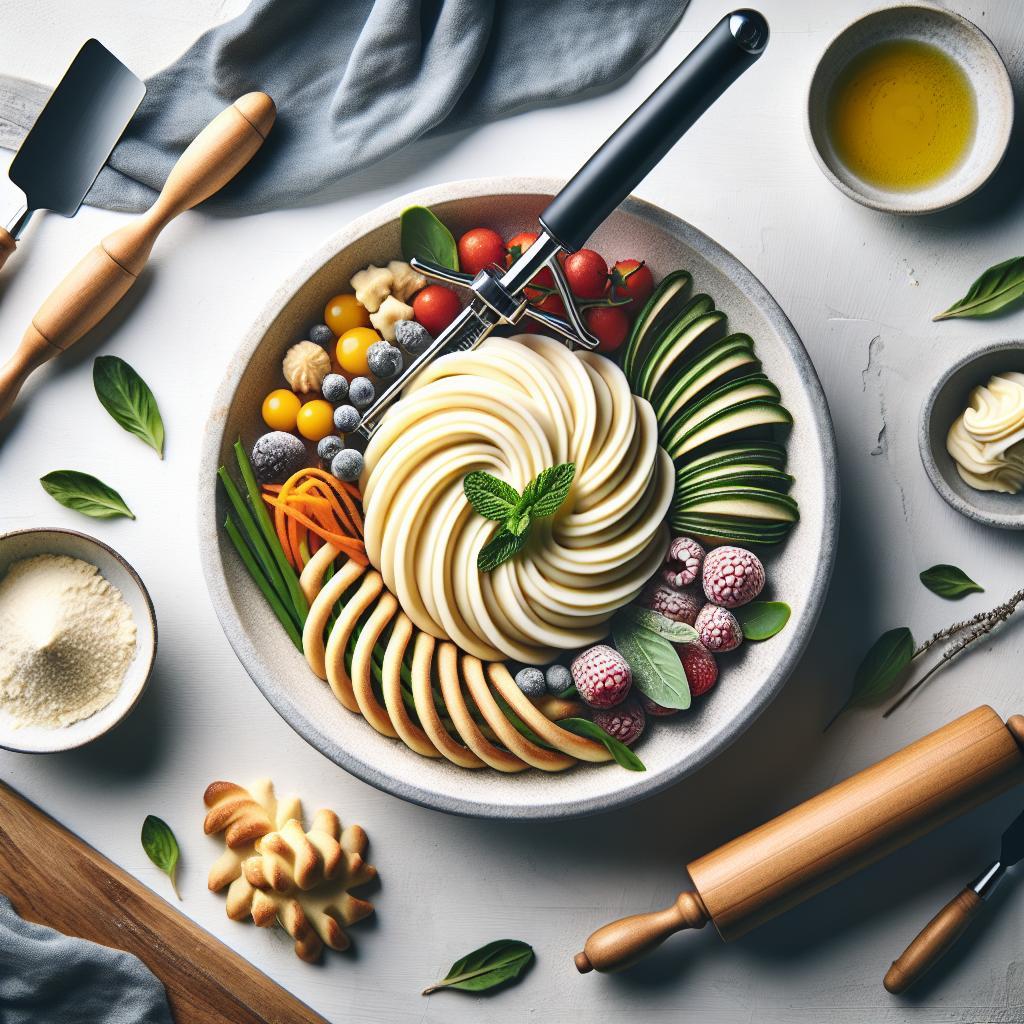

When most people think of a pastry blender, visions of flaky, buttery pie crusts come to mind-a trusty tool reserved for the simple mix of flour and fat. But what if this humble kitchen gadget could do so much more? Beyond dough and desserts, the pastry blender is a surprisingly versatile companion in your culinary adventures. From whipping up creamy guacamole to chopping herbs with finesse, this unassuming tool has the power to transform how you prepare food, saving time and adding a touch of creativity to your cooking routine. Let’s explore the unexpected and ingenious ways you can put your pastry blender to work beyond the pastry bowl.
Mastering Herb and Spice Blending with Precision Using Your Pastry Blender
Beyond Dough: Creative Uses for Your Pastry Blender make it an indispensable tool for infusing your kitchen with vibrant flavors. This guide reveals how to seamlessly blend fresh herbs and robust spices for maximum aroma and texture, unlocking new layers of culinary delight that elevate simple recipes.
Prep and Cook Time
- Preparation: 10 minutes
- Cook Time: 0 minutes (no cooking required for blending)
Yield
- About ½ cup of herb and spice blend
Difficulty Level
- Easy
Ingredients
- 1/4 cup fresh parsley leaves, loosely packed
- 2 tbsp fresh rosemary, chopped
- 1 tbsp fresh thyme leaves
- 1 tsp whole coriander seeds
- 1 tsp whole cumin seeds
- 1/2 tsp freshly cracked black peppercorns
- Zest of 1 lemon
- 1/4 tsp sea salt (optional)
Instructions
- Toast your spices: Warm the coriander and cumin seeds in a dry skillet over medium heat for 2-3 minutes, shaking frequently to avoid burning. This step amplifies their natural oils and aromas.
- Cool the spices: Transfer the toasted seeds onto a plate to cool completely. This prevents wilting your fresh herbs during blending.
- Chop the fresh herbs: Roughly chop the parsley, rosemary, and thyme to make them easier to blend.
- Combine ingredients: Place the toasted seeds, fresh herbs, lemon zest, cracked peppercorns, and sea salt into a mixing bowl.
- Use your pastry blender: Press and cut through the mixture with the pastry blender, rocking back and forth. This breaks down the herbs and spices into a coarse, fragrant blend while preserving texture.
- Adjust consistency: For a finer blend, continue cutting until well combined but not mushy.
- Store properly: Transfer to an airtight container and refrigerate for up to one week to preserve freshness.
Chef’s Notes
- Try substituting fresh oregano or basil to tailor the blend for Mediterranean dishes.
- If you’d like a drier blend, substitute dried herbs in equal proportions but reduce fresh ingredients.
- Mix in minced garlic or shallots for an added punch when using the blend as a marinade base.
- Use the pastry blender exclusively for chopping herbs and spices to avoid flavor contamination.
Serving Suggestions
- Sprinkle over roasted vegetables or grilled meats to add an earthy, herbal accent.
- Mix with olive oil and lemon juice for a zesty marinade or dipping sauce.
- Stir into creamy dips or spreads for vibrant bursts of flavor and rustic texture.
- Garnish fresh salads or grain bowls to bring a fresh, aromatic lift.

| Nutrient | Amount per 1 tbsp Blend |
|---|---|
| Calories | 8 |
| Protein | 0.3 g |
| Carbohydrates | 1.2 g |
| Fat | 0.1 g |
For a deeper understanding of herb pairings and spice grinding techniques, visit Serious Eats’ Herb and Spice Basics. Also, check out our related article on innovative kitchen tool hacks for more inspiration.
Q&A
Q&A: Beyond Dough – Creative Uses for Your Pastry Blender
Q1: What exactly is a pastry blender, and why is it typically used?
A1: A pastry blender is a kitchen tool with a handle and several parallel metal blades or wires designed to cut and blend solid fats like butter or shortening into flour. Traditionally, it’s used to create the perfect crumbly texture for pie crusts, biscuits, and scones by evenly distributing fat throughout the dry ingredients.
Q2: Can a pastry blender be used for anything besides making dough?
A2: Absolutely! While its primary job is blending fats into flour, the pastry blender’s unique design makes it a surprisingly versatile kitchen ally. From mashing cooked vegetables and fruits to breaking down ground meat or even whipping up homemade guacamole, the pastry blender can handle a variety of tasks where gentle yet effective mixing is needed.
Q3: How can a pastry blender help with mashing fruits or vegetables?
A3: The sturdy blades of a pastry blender allow you to quickly and efficiently mash soft cooked veggies like potatoes or carrots, as well as fruits like bananas or avocados. Unlike a fork or potato masher, it can provide a more even texture in less time, perfect for baby food or rustic dips.
Q4: Is it safe to use a pastry blender with hot ingredients?
A4: Yes! Most pastry blenders are made of stainless steel with heat-resistant handles, so they can be safely used to mash warm foods. Just be cautious when handling hot bowls or dishes to avoid burns.
Q5: Can the pastry blender be used to mix or break down ground meat?
A5: Definitely. Using a pastry blender to break up ground meat during browning helps achieve a fine, crumbled texture without overworking the meat. This technique is useful for taco fillings, sauces, or any recipe requiring evenly cooked minced meat.
Q6: Are there any creative culinary hacks involving a pastry blender?
A6: Yes! Some creative cooks use it to shred cold butter quickly for baking, chop herbs finely when combined with a little salt, or even break up scrambled eggs gently for a fluffier texture. Its multi-blade design lets you multitask like a pro.
Q7: What should I consider when choosing a pastry blender for versatile use?
A7: Look for a sturdy, comfortable handle and rust-resistant stainless steel blades. A wider design offers more coverage for mashing or chopping larger amounts. Also, ensure it’s dishwasher safe for easy cleanup after various tasks.
Q8: How do I clean a pastry blender after using it for sticky or soft ingredients?
A8: To clean, rinse immediately after use to prevent residue from drying in between blades. A small brush or sponge can help remove stuck bits. Most pastry blenders are dishwasher safe, but hand washing preserves their longevity.
Q9: Do pastry blenders work well for non-culinary tasks?
A9: While their purpose is cooking-related, some creative folks have used pastry blenders for crafting-like gently blending clay or mashing soap-but this is more niche. Stick primarily to the kitchen to keep your blender food-safe!
Q10: Any final tips for getting the most out of your pastry blender?
A10: Don’t limit yourself to pastry prep! Experiment with textures and dishes-your pastry blender can be the unsung hero in your kitchen arsenal, transforming ordinary tasks into efficient, creative fun. Embrace its versatility and see how far beyond dough you can take it!
To Conclude
As the humble pastry blender steps out from the shadow of flaky crusts, it reveals a world of culinary possibilities waiting to be explored. From blending dressings to mashing avocados, this versatile tool invites you to rethink the boundaries of your kitchen gadgets. So next time you reach for your pastry blender, remember-it’s not just for dough. Embrace its creative potential, and watch as your cooking transforms from the expected into something delightfully inventive. Beyond dough, your pastry blender is ready to blend, mash, and mix its way into your culinary repertoire.