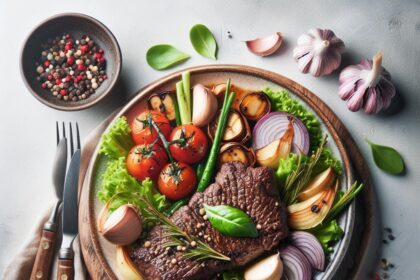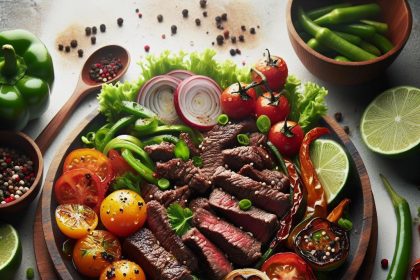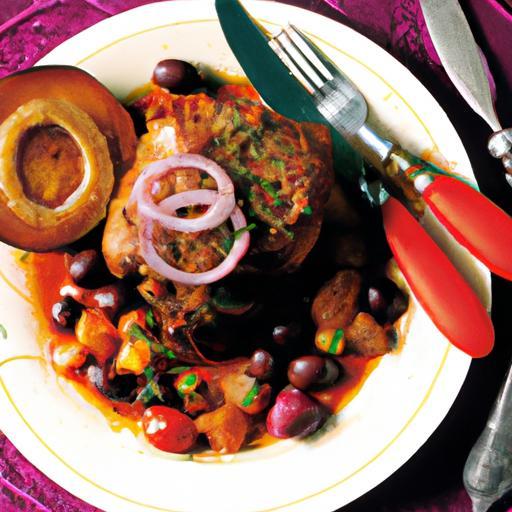

In every household, the kitchen is more than just a place to prepare meals-it’s a vibrant stage where stories are told, memories are made, and cultures are celebrated. Family food culture weaves a rich tapestry of history, heritage, and love, served up one dish at a time. From secret recipes passed down through generations to the festive feasts that bring everyone together, the flavors on each plate reveal much more than ingredients-they tell the story of who we are. Join us as we explore the colorful traditions simmering behind family tables around the world, uncovering how food nourishes not only our bodies but also our connections to family and culture.
Family Food Culture is the vibrant thread weaving memories, heritage, and connection into every home-cooked meal. This classic Hearty Beef Stroganoff, a timeless recipe brought from the kitchens of Eastern Europe, captures that essence perfectly. Passed down through generations, its rich, creamy sauce paired with tender strips of beef has always been the centerpiece of festive tables and comforting dinners alike. The way the mushrooms and onions melt into a luscious broth, finished with a dollop of sour cream, is as much a story as it is a dish-inviting all to gather around and share both food and tales.
Prep and Cook Time
Preparation: 15 minutes | Cook Time: 30 minutes | Total: 45 minutes
Yield
Serves: 6 generous portions
Difficulty Level
Medium – perfect for home cooks eager to explore authentic flavors with confidence.
Ingredients
- 1 ½ lbs beef sirloin, thinly sliced into strips
- 2 tbsp unsalted butter
- 1 tbsp olive oil
- 1 large onion, finely chopped
- 3 cups cremini mushrooms, sliced
- 2 cloves garlic, minced
- 1 cup beef broth
- 1 tbsp Worcestershire sauce
- 1 tsp Dijon mustard
- 1 cup sour cream, at room temperature
- 2 tbsp all-purpose flour
- Salt and freshly ground black pepper, to taste
- Fresh parsley, chopped (for garnish)
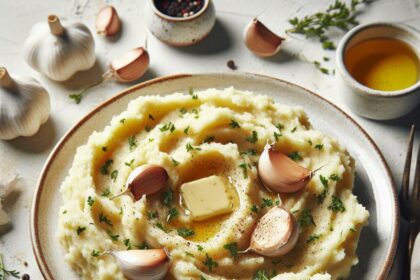
- Egg noodles or buttered mashed potatoes, for serving
Instructions
- Prepare the beef: Season the sliced beef sirloin generously with salt and black pepper. Heat 1 tbsp olive oil in a large skillet over medium-high heat. Add the beef strips in batches, searing quickly until browned on all sides but not fully cooked. Remove and set aside to prevent overcrowding which steams the meat instead of browning.
- Sauté the aromatics: Reduce heat to medium and melt 2 tbsp butter in the same skillet. Add the finely chopped onion and sliced mushrooms. Sauté until the onions turn translucent and mushrooms release their moisture and begin to caramelize, about 8 minutes. Stir occasionally to achieve an even golden-brown color.
- Garlic and thickening: Stir in the minced garlic and cook for 1 minute until fragrant. Sprinkle the flour evenly over the mixture, stirring constantly to incorporate – this will thicken the sauce gently without lumps.
- Build the sauce: Slowly pour in the beef broth while stirring, allowing the sauce to thicken smoothly. Add Worcestershire sauce and Dijon mustard, blending deeply into the creamy base.
- Finish the beef: Return the seared beef to the pan and simmer gently for 5-7 minutes. The beef will finish cooking and absorb the luxurious sauce, making it tender and flavorful. Adjust seasoning with salt and pepper.
- Add the final touch: Remove the skillet from heat and stir in the sour cream gradually to avoid curdling. Mix until silky and smooth, giving the dish its signature creamy richness.
- Serve: Spoon the stroganoff over freshly cooked egg noodles or buttery mashed potatoes. Garnish generously with chopped fresh parsley to add a bright contrast and fresh aroma.
Tips for Success
- For even more tender beef, slice the meat thinly against the grain.
- If you prefer a dairy-free version, substitute coconut cream or cashew cream for the sour cream.
- Use freshly prepared beef broth or quality store-bought for richer depth.
- Make ahead: Cook the stroganoff up to step 5, then refrigerate. Reheat gently before finishing with sour cream to retain creaminess.
- Feel free to swap mushrooms for wild varieties like chanterelles or shiitake for earthier flavor.
Serving Suggestions
This dish shines as a communal centerpiece, perfect for cozy family dinners. Serve alongside buttered egg noodles, roasted seasonal vegetables, or classic mashed potatoes for a comforting, nostalgic experience. A sprinkle of fresh parsley or chives adds color vibrancy and a hint of garden freshness. Complement with a crisp green salad and a glass of robust red wine to elevate this heritage dish to a modern-day celebration of family food culture.

| Nutritional Information (per serving) | Amount |
|---|---|
| Calories | 450 kcal |
| Protein | 38 g |
| Carbohydrates | 20 g |
| Fat | 22 g |
Explore more timeless heritage recipes like this one in our Classic Heritage Meals collection. For a deeper dive into culinary traditions that celebrate preserving family food culture, visit National Geographic’s fascinating cultural food stories.
Q&A
Q&A: Family Food Culture – Exploring Traditions on Every Plate
Q1: What is meant by ‘family food culture’?
A1: Family food culture refers to the unique customs, traditions, and rituals surrounding the preparation, sharing, and enjoyment of meals within a family. It’s the flavorful tapestry woven from recipes passed down generations, mealtime behaviors, and the stories that sizzle alongside the dishes on every plate.
Q2: Why do family food traditions matter?
A2: Food traditions serve as edible time capsules. They connect us to our ancestors, ignite a sense of belonging, and preserve cultural identity. Beyond nourishment, these rituals enrich family bonds, create cherished memories, and offer comfort amidst life’s changes.
Q3: How do families develop their own food traditions?
A3: Family food traditions evolve through a mix of heritage recipes, regional influences, and individual creativity. They may sprout from festive celebrations, daily dinners, or even adaptations when families move or embrace new cultures, resulting in a rich, ever-changing menu of meaning.
Q4: Can family food culture adapt over time?
A4: Absolutely! Family food culture is a living, breathing entity. While honoring the past, families often refresh traditions with new ingredients, cooking techniques, or dietary preferences-reflecting evolving tastes, health awareness, and diverse influences without losing the heart of their culinary story.
Q5: How can exploring family food culture benefit individuals and communities?
A5: Diving into family food culture deepens appreciation for diversity, fosters empathy, and encourages cultural exchange. It helps individuals understand their roots and strengthens family ties. On a community level, sharing food traditions builds bridges, celebrates multiculturalism, and promotes inclusivity.
Q6: What role do meals play in keeping family traditions alive?
A6: Meals are the stage where family stories unfold and traditions come to life. Whether it’s a Sunday roast, a holiday feast, or a secret family recipe passed quietly from grandma’s hands, shared meals are rituals that nurture connection, continuity, and celebration.
Q7: How can modern families embrace their food heritage while creating new traditions?
A7: Modern families can honor their roots by preparing classic dishes and sharing their stories, while also welcoming innovation-like trying new cuisines, hosting themed dinners, or involving kids in cooking. This blend enriches family food culture, making it dynamic, inclusive, and deeply personal.
Q8: What tips can help someone discover or revive their family’s food traditions?
A8: Start by chatting with relatives about favorite meals and memories, digging out old recipes, or observing mealtime habits during gatherings. Experiment cooking these dishes and invite stories to the table. Documenting these experiences can preserve tradition for future generations and spark a renewed passion for family food culture.
Exploring family food culture invites us to savor more than flavors-it’s a journey through history, identity, and love shared one plate at a time.
The Way Forward
As the last bite settles and the table is cleared, the flavors of family food culture linger-not just on our tongues, but within our hearts. Each dish tells a story, a chapter woven from generations of love, tradition, and shared moments. By exploring the varied tapestries of food traditions passed down on every plate, we uncover more than recipes; we rediscover the bonds that nourish us beyond the kitchen. So next time you gather around the table, remember: you’re not just eating a meal, you’re partaking in a living heritage-one that flavors our lives with connection, identity, and the timeless joy of coming home.