
There’s a secret dance that unfolds in kitchens every day: the thrilling moment of decision- to peek or not to peek? That tantalizing temptation to lift the lid off a simmering pot or bubbling pan is more than just curiosity; it’s a culinary crossroads that can make or break a dish. Whether you’re patiently waiting for a delicate sauce to thicken or coaxing risotto to perfection, knowing when to unveil the magic happening inside can be the key to kitchen success. In this article, we’ll explore the art and science behind that simple gesture, revealing why sometimes lifting the lid unlocks flavor and other times it steals the show. So, what’s the right move? Let’s find out when to peek and when to play it cool.
To Peek or Not? When to Lift the Lid While Cooking is a delicate question every home cook faces. Understanding the science behind steam and heat can transform your cooking outcomes from good to gourmet. Steam trapped beneath a lid creates a moist environment that affects texture, flavor, and cooking speed. Mastering when to lift the lid is key to unlocking the perfect balance between tenderness and crispness.
Prep and Cook Time
Prep Time: 15 minutes
Cook Time: 45 minutes
Yield
Serves 4
Difficulty Level
Medium
Ingredients
- 2 tablespoons olive oil
- 1 medium onion, finely chopped
- 3 cloves garlic, minced
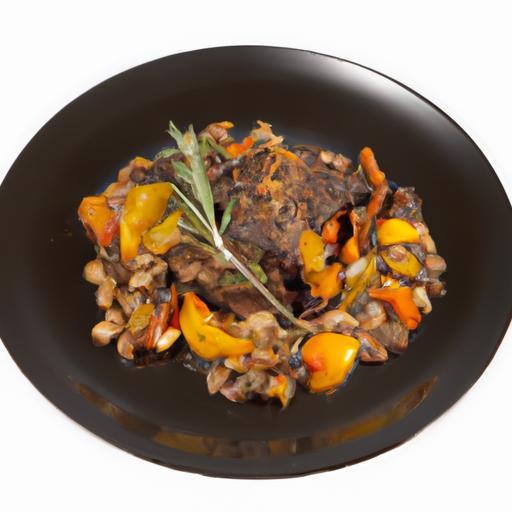
- 1 pound boneless chicken thighs, trimmed and halved
- 1 cup low-sodium chicken broth
- 1 cup diced tomatoes, canned or fresh
- 1 teaspoon smoked paprika
- Salt and freshly ground black pepper, to taste
- Fresh herbs (thyme or rosemary), for garnish
Instructions
- Heat 2 tablespoons of olive oil in a heavy-bottomed pan over medium heat. Add the finely chopped onion and sauté until translucent, about 5 minutes, stirring occasionally to prevent sticking.
- Add the minced garlic and cook for another minute, releasing fragrant aromas but avoiding browning.
- Place the chicken thighs in the pan, searing each side until golden brown, approximately 4 minutes per side to seal in juices.
- Pour in the chicken broth and diced tomatoes, and sprinkle smoked paprika evenly across the top. Season with salt and black pepper.
- Bring the mixture to a gentle simmer. Cover the pan tightly with a lid to trap the steam and heat, allowing the chicken to cook through evenly.
- Timing is everything: after 20 minutes, lift the lid briefly – just enough to stir gently – and check the liquid level. Adding too much air causes steam to escape, so keep this peek short and sweet.
- Re-cover and simmer for an additional 20 minutes, or until the chicken is tender and internal temperature reaches 165°F (74°C).
- Remove the lid during the last 5 minutes to slightly reduce the sauce, intensifying flavors and adding a subtle glaze to the chicken surface.
Chef’s Notes
- Foods that benefit from lid lifting: Stews, braises, and dishes where sauce reduction enhances depth.
- Foods that don’t: Rice, steamed vegetables, or delicate fish that rely on consistent steam to cook evenly.
- Maintain moisture: Use a tight-fitting lid and avoid frequent lifting. When you peek, do it quickly and replace the lid immediately.
- Substitute: For a vegetarian version, replace chicken with hearty mushrooms or firm tofu.
- Make-ahead tip: Prepare up to step 4 and refrigerate. Reheat gently with the lid on to retain moisture.
Serving Suggestions
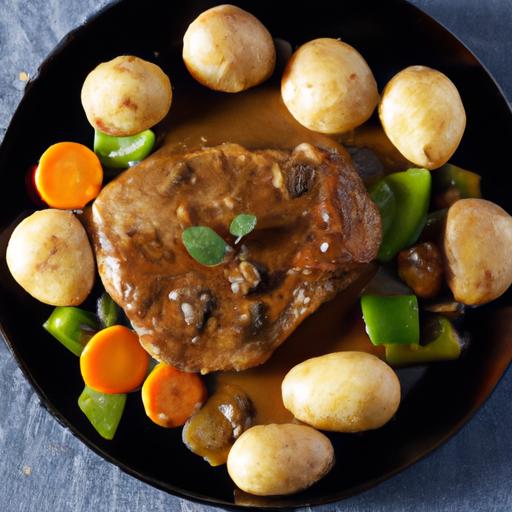
Plate your luscious chicken with a side of creamy mashed potatoes or fluffy couscous to soak up every drop of the rich sauce. Garnish with fresh thyme or rosemary sprigs for an aromatic finish that invites immediate indulgence.

| Nutrient | Per Serving |
|---|---|
| Calories | 320 kcal |
| Protein | 30 g |
| Carbohydrates | 8 g |
| Fat | 18 g |
For those eager to explore more about how steam and heat impact cooking, visit Serious Eats’ detailed explanation. Also, discover complementary techniques in our braising techniques guide.
Q&A
Q&A: To Peek or Not? When to Lift the Lid While Cooking
Q1: Why does my recipe sometimes say “keep the lid on” and other times “cook uncovered”?
A: Great question! Cooking covered traps heat and moisture, creating a mini steam chamber that speeds up cooking and keeps food juicy. Leaving the lid off lets moisture escape, which is perfect when you want to reduce sauces or get crispy textures. The choice depends on the technique and the outcome you want.
Q2: Is it ever really bad to lift the lid during cooking?
A: It can be, especially in the early stages of simmering or braising. Lifting the lid releases steam and heat, causing temperature drops and longer cook times. If the recipe calls for a steady simmer with the lid on, peeking too often may mean tougher meat or improper thickening.
Q3: What about baking-should I open the oven door to check?
A: Oven door peeking is a tricky art. Frequent openings drop the oven’s temperature, which can affect rise and texture, especially in delicate bakes like soufflés or cakes. A quick glance is okay, but try using the oven light or window to limit heat loss.
Q4: Sometimes recipes say “partially covered”-what’s the magic behind that?
A: Partially covering allows some steam to escape while still retaining heat. This middle ground works well for stuff like steaming rice or simmering stews when you want to control the thickness and moisture without drying everything out.
Q5: Can I use the “peek test” to tell if food is ready?
A: Absolutely! For example, bubbling sauces that have thickened are often easier to spot with the lid off. Just be mindful of timing-peek too early or too often, and you might lose precious heat. Use your senses: look for bubbling, smell the aroma, or listen for simmering sounds to decide if it’s time to lift the lid.
Q6: Any tips for mastering the “peek or no peek” dilemma?
A: Trust your recipe but also your intuition. Start with the lid on to build heat and moisture, then peek in toward the end to adjust seasoning or check doneness. Remember, each dish and stove behaves differently-practice and patience will turn you into a lid-lifting pro in no time!
In Retrospect
In the delicate dance of cooking, knowing when to lift the lid can make all the difference between a culinary triumph and a soggy setback. Whether you’re coaxing flavors to meld in a simmering stew or watching a soufflé rise to its airy peak, mastering the art of peeking is as much about timing as it is about intuition. So next time you find yourself hovering over a bubbling pot, remember: a well-timed glimpse can unlock secrets of texture and taste, but too many interruptions may leave your dish longing for the perfect finish. With a little practice and patience, you’ll soon know exactly when to lift the lid-and when to let the magic unfold unseen.