
There’s nothing more disappointing than eagerly anticipating a warm, creamy bowl of beans-only to bite into a stubbornly hard, chewy mess. You followed the recipe, sealed the pressure cooker, and waited patiently for those magical minutes to pass. So why are your beans still tough as nails? Don’t worry, you’re not alone in this culinary conundrum. Pressure cooking is supposed to turn beans soft and tender in a fraction of the traditional time, but when it doesn’t, it sparks frustration and confusion. In this article, we’ll unravel the mystery behind why your beans refuse to soften, dive into common pitfalls, and share expert tips to rescue your pressure cooker beans and get them perfectly tender every single time. Say goodbye to hard beans and hello to bean bliss!
Why are my beans still hard after pressure cooking? Fix it! This question sparks curiosity and sets the stage for unraveling the fascinating science that governs bean texture. Understanding how pressure, water chemistry, and timing interact is key to achieving tender, delightfully creamy beans every single time. No more frustration-just perfect beans bursting with flavor and texture that hold up beautifully in any stew, chili, or salad.
Prep and Cook Time
- Soaking Time: 6-8 hours (or quick soak for 1 hour)
- Pressure Cooking Time: 15-25 minutes, depending on bean type
- Total Time: Approximately 7-9 hours with soaking; 2 hours with quick soak
Yield
Serves 4-6 people as a side or main ingredient
Difficulty Level
Medium – Requires understanding of soaking, timing, and pressure cooking nuances
Ingredients
- 1 cup dried beans (black beans, pinto, navy, or kidney beans)
- 4 cups filtered water, plus extra for soaking
- 1 teaspoon baking soda (optional but recommended for tougher waters)
- 1 teaspoon salt (added after cooking to avoid tough skins)
- 2 cloves garlic, smashed (optional for flavor)
- 1 bay leaf (optional for aromatic notes)
Instructions
- Rinse and Sort the Beans: Carefully sort through your beans to remove any debris or damaged beans. Rinse thoroughly under cold running water.
- Soak the Beans: Place the beans in a large bowl with enough filtered water to cover them by at least 2 inches. Add ½ teaspoon baking soda if your water is hard or alkaline to help soften the beans. Soak for 6-8 hours or overnight. For a quick soak, bring the beans and water to a boil for 2 minutes, then remove from heat and soak for 1 hour.
- Drain and Rinse: Discard the soaking water and rinse the beans well to reduce phytic acid and avoid off-flavors.
- Prepare for Pressure Cooking: Transfer the soaked beans to a pressure cooker. Add fresh filtered water (about 4 cups), smashed garlic, and bay leaf if using. Do not add salt or acidic ingredients yet, as these can toughen the beans during cooking.
- Pressure Cook the Beans: Seal your pressure cooker and bring it to high pressure. Cook black, pinto, and navy beans for 15-20 minutes; kidney beans typically require 20-25 minutes. Adjust cooking times based on your specific model and altitude.
- Natural Release: Allow the pressure to release naturally for 10 minutes before quick-releasing any remaining pressure. This gentler release helps maintain a tender bean texture without splitting skins.
- Add Salt and Finish: Carefully open the lid and stir in 1 teaspoon salt. Simmer uncovered for 5 minutes to let flavors meld. Taste and adjust seasoning.
Tips for Success
- Water Quality Matters: Hard water with high mineral content can keep your beans firm. Using filtered or distilled water and adding a pinch of baking soda during soaking can greatly improve tenderness.
- Avoid Acidic Ingredients Early: Ingredients like tomatoes, vinegar, or citrus juices added too soon toughen the beans. Instead, add them after the beans are fully cooked.
- Don’t Skip the Natural Release: Instant pressure release can shock the beans, causing hardness. Let the pressure come down gently for the best texture.
- Rescue Undercooked Beans: If you find your beans hard, simply seal your pressure cooker again with a bit more water and cook under pressure for another 5-10 minutes. Patience pays off!
- Storage Tip: Leftover cooked beans keep their perfect texture when stored in their cooking liquid in an airtight container in the fridge for up to 5 days.
Serving Suggestions
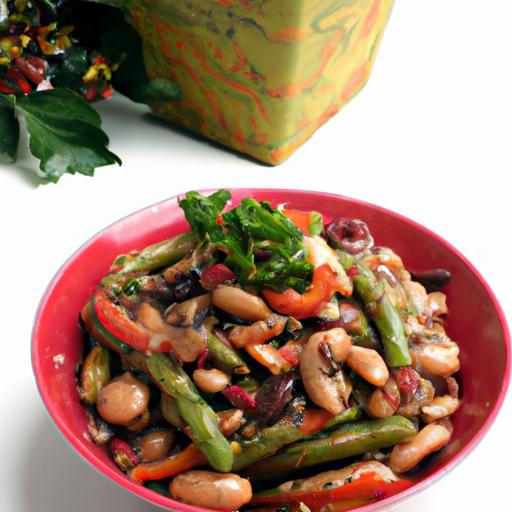
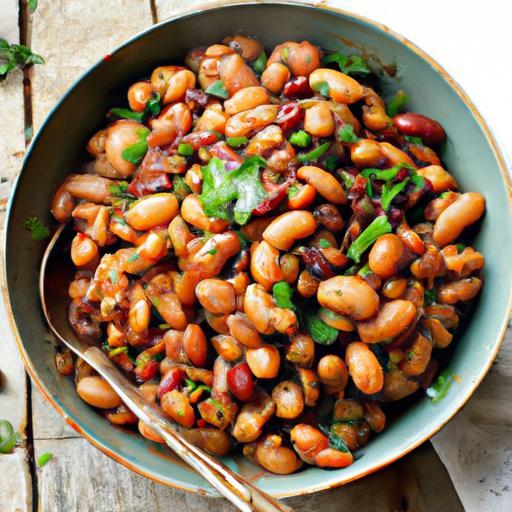
Serve these perfectly tender beans as a hearty base for chili, toss them into vibrant salads with fresh herbs and citrus vinaigrette, or simply enjoy them drizzled with good olive oil and a sprinkle of flaky sea salt. Garnish with chopped cilantro, a squeeze of lime, or a dash of smoky paprika to elevate every bite. Their creamy texture combined with your favorite seasonings transforms humble beans into a culinary marvel.

| Nutrient | Per 1 Cup Cooked Beans |
|---|---|
| Calories | 240 |
| Protein | 15g |
| Carbohydrates | 40g |
| Fat | 1g |
For more nutritious bean recipes and pressure cooker tips, check out our comprehensive Ultimate Pressure Cooked Beans Guide. To dive deeper into the chemistry of beans, the ScienceDirect food science repository offers valuable research on how minerals and pH impact bean softness.
Q&A
Q: Why are my beans still hard even after pressure cooking?
A: Ah, the classic crunchy bean conundrum! Several sneaky culprits could be at play: old or stale beans, insufficient soaking, not enough cooking time or pressure, or even adding acidic ingredients too early. These factors can all keep your beans stubbornly firm.
Q: How does the age of beans affect their tenderness?
A: Beans are like fine wine, but in reverse-they get worse with age! Older beans dry out and harden, making it tough for water to penetrate and soften them even under pressure. Fresh beans yield the fluffiest results.
Q: Do I need to soak beans before pressure cooking?
A: While some beans don’t need soaking, it helps jumpstart hydration and cuts down cooking time. Skipping soaking occasionally works, but soaked beans usually emerge softer, especially if you’re racing against time.
Q: Can pressure cooker settings affect bean texture?
A: Absolutely! Using too low a pressure setting or not cooking long enough can leave beans al dente-unless al dente is your new favorite bean texture. Follow recommended pressure and timing guidelines for your bean variety.
Q: Why does adding acidic ingredients early make beans hard?
A: Acidic villains like tomatoes, vinegar, or lemon juice can toughen bean skins if added at the start. Acid strengthens cell walls, slowing softening. Save these tangy flavors until after the beans are tender and then stir them in for perfect texture and taste.
Q: How can I fix hard beans after cooking?
A: No need to toss that pot! Add more water, seal your pressure cooker, and give your beans a few extra minutes under high pressure. Alternatively, transfer them to a simmering pot and cook gently until tender. Patience pays off.
Q: Any final tips to get perfect pressure-cooked beans?
A: Sure! Use fresh beans, soak them overnight if you can, rinse thoroughly, avoid adding salt or acid early, and trust your pressure cooker’s settings. With these tricks, you’ll unlock the magic of creamy, melt-in-your-mouth beans every time.
In Conclusion
In the grand kitchen quest to master perfectly tender beans, pressure cooking can sometimes feel like a tricky plot twist. But fear not-understanding the science behind why your beans remain stubbornly hard reveals that it’s rarely the pressure cooker’s fault alone. From soaking time and bean age to water quality and cooking techniques, these hidden factors hold the key to soft, delicious beans every time. Armed with these insights and simple fixes, your next pressure-cooked batch will be tender, flavorful, and ready to star in your favorite recipes. So go ahead-pressure cook with confidence, and let those beans tell a softer story!