
In the bustling heart of every kitchen lies a hardworking hero often overlooked: the garbage disposal. This mechanical marvel swiftly turns scraps and leftovers into manageable waste, keeping your countertop clutter-free and your sink flowing smoothly. Yet, with great power comes great responsibility – and without proper care, your disposal can become a breeding ground for odors and grime. Enter the world of garbage disposal cleaners: specialized products designed to keep your kitchen smelling fresh and running efficiently. In this article, we’ll dive into the top cleaners that transform this unsung appliance from a potential source of stink into a sparkling, odor-free champion of cleanliness. Say goodbye to kitchen funk and hello to freshness!
Top Garbage Disposal Cleaners to Keep Your Kitchen Fresh offer an eco-friendly and powerful way to combat the stubborn odors and bacteria lurking in your kitchen’s drain. Harnessing natural enzyme cleaners that break down leftover food residue, plus time-tested homemade remedies, you can maintain a fresh-smelling garbage disposal without harsh chemicals. Whether you prefer potent commercial options for heavy-duty maintenance or simple DIY alternatives, this guide will inspire you to keep your kitchen sparkling clean and odor-free with ease.
Prep and Cook Time
- Preparation: 10 minutes
- Active Cleaning Time: 15-20 minutes (varies by method)
Yield
- Enough cleaner for multiple garbage disposal maintenance sessions.
Difficulty Level
- Easy
Ingredients
- For a Powerful Enzyme Cleaner:
- 1 cup water
- 2 tbsp citrus fruit peels (lemon, orange, or grapefruit)
- 1 tbsp brown sugar or molasses (to feed enzymes)
- 1 tsp live yogurt or fermented vegetable brine (for natural enzymes)
- For Homemade Freshening Cubes:
- 1 cup distilled white vinegar
- 1 cup water
- ½ cup baking soda
- 10 drops essential oil (lemon or eucalyptus recommended)
- 1 cup ice cubes
Instructions
- Making a Natural Enzyme Cleaner: Combine water, citrus peels, brown sugar, and live yogurt in a jar with a tight lid. Shake vigorously for 1 minute. Leave the mixture at room temperature for 3-5 days, shaking daily until bubbles form, indicating active fermentation. Strain through a fine mesh sieve before use.
- Using the Enzyme Cleaner: Pour ½ cup of the strained enzyme cleaner into the garbage disposal. Let it sit for at least 15 minutes or overnight for stubborn buildup. Then run cold water and turn the disposal on to rinse away residue and foul odors.
- DIY Freshening Ice Cubes: Dissolve baking soda into the vinegar and water mixture slowly, combining gently to prevent overflow. Pour into ice cube trays and add a drop of essential oil into each cube. Freeze until solid.
- Cleaning with Ice Cubes: Drop 3-4 ice cubes into the garbage disposal. Run cold water and turn on the disposal until the cubes have crushed and rinsed the blade surfaces, helping sharpen blades and lift residue.
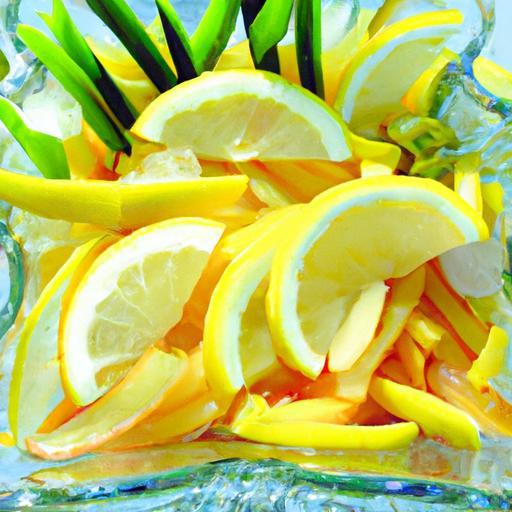
- Additional Homemade Remedy: Periodically grind small citrus wedges (like lime or lemon) with ice cubes for a natural, vibrant cleanse and aromatic boost.
Tips for Success
- Enzyme cleaners thrive in warm, dark areas-store your mix where the temperature stays steady to encourage fermentation.
- Use cold water during disposal operation to solidify fats, making grinding easier and preventing grease coating.
- If odors persist, sprinkle baking soda in the disposal before letting the enzyme cleaner soak.
- Replace homemade enzyme cleaner every 1-2 weeks to maintain activity and freshness.
- Commercial options incorporating enzymes or probiotics can be alternated with homemade solutions for heavy grease or residue.
Serving Suggestions
Keep your kitchen inviting by finishing each cleaning session with a splash of fresh lemon juice down the drain to invigorate the air. Garnish your kitchen sink area with a small potted herb like mint or rosemary to complement the clean scents. Display your DIY enzyme cleaner in a decorative glass bottle for a stylish and functional kitchen essential.
| Ingredient | Function | Quantity | Additional Notes |
|---|---|---|---|
| Citrus Peels | Natural enzymes & fresh scent | 2 tbsp | Use organic for best purity |
| Brown Sugar | Feeds enzyme culture | 1 tbsp | Molasses is an alternative |
| Live Yogurt or Brine | Natural enzyme source | 1 tsp | Use fresh for fermentation |
| Baking Soda | Deodorizes & gently cleans | ½ cup | Combine carefully with vinegar |
| Vinegar | Acidic cleaner & deodorizer | 1 cup | Distilled white vinegar preferred |
Learn more about green cleaning products from EPA
Explore other natural kitchen cleaner recipes

Q&A
Q&A: Top Garbage Disposal Cleaners to Keep Your Kitchen Fresh
Q1: Why is it important to clean my garbage disposal regularly?
A: Your garbage disposal tackles some of the smelliest kitchen scraps, and over time, food particles and grease build up inside it. This can lead to unpleasant odors, reduced efficiency, and even clogs. Regular cleaning keeps your disposal fresh, sanitary, and running smoothly.
Q2: What features should I look for in a top garbage disposal cleaner?
A: The best cleaners tackle odor-causing bacteria, break down grease, and help remove stuck-on debris. Look for natural enzyme-based formulas or cleaners with lemon, baking soda, or vinegar ingredients for a chemical-free sparkle. Also, consider easy-to-use forms like tablets, powders, or gel sprays.
Q3: Are natural cleaners as effective as chemical ones?
A: Absolutely! Natural cleaners like citrus peels, baking soda, and vinegar not only neutralize odors but also provide a gentle scrub without damaging your disposal unit. Enzyme-based cleaners biologically break down residue, keeping your disposal fresh without harsh chemicals.
Q4: How often should I clean my garbage disposal?
A: Ideally, give your disposal a quick clean once a week and a deeper clean every few weeks. This routine prevents buildup, controls odors, and maintains peak performance.
Q5: Can household items double as garbage disposal cleaners?
A: Yes! Ice cubes crushed with a handful of coarse salt clean the blades and scrape away grime. Citrus peels tossed in while running the disposal freshen the smell naturally. These simple hacks complement commercial cleaners perfectly.
Q6: What is the best way to use a commercial disposal cleaner?
A: Follow the product instructions closely. Typically, you’ll drop a tablet or sprinkle the powder into the disposal with cold water running, allowing it to sit and work before flushing it down. Some sprays can be wiped on parts and rinsed off afterward.
Q7: Any tips for maintaining a fresh-smelling kitchen beyond cleaning the disposal?
A: Yes! Run cold water during and after grinding to flush debris. Avoid putting fibrous, starchy, or hard materials down the drain. Regularly wipe down the sink and faucet area where food particles can collect. And don’t forget to take out your trash frequently!
Keeping your garbage disposal clean doesn’t have to be a chore. With the right cleaners and a bit of TLC, your kitchen will stay fresh, hygienic, and happy!
In Conclusion
Keeping your garbage disposal fresh and clean doesn’t have to be a dreaded chore-it can be a simple, satisfying part of maintaining a sparkling kitchen. With the right garbage disposal cleaner, you not only banish unpleasant odors but also extend the life of your appliance, ensuring it runs smoothly and efficiently. Whether you prefer natural solutions or powerful commercial products, having a trusty cleaner on hand is a small investment that yields big freshness. So go ahead, say goodbye to kitchen funk and hello to a crisp, clean sink area-your nose (and your guests) will thank you!