
There’s something deeply satisfying about transforming humble dried beans into hearty, flavorful dishes that nourish both body and soul. Yet for many, the thought of soaking, simmering, and seasoning dried beans from scratch feels like an intimidating culinary puzzle. What if mastering this ancient staple was not only achievable but also delightfully simple? Welcome to the world of batch cooking with dried beans-a practical, cost-effective, and delicious way to elevate your meals while embracing a more sustainable kitchen routine. In this article, we’ll unravel the secrets to cooking dried beans perfectly every time, share smart tips for batch prepping, and inspire you to make these versatile legumes a star ingredient in your cooking repertoire. Say goodbye to canned beans and hello to homemade goodness that’s as nutritious as it is rewarding.
Mastering Dried Beans: Batch Cooking from Scratch Made Easy
Nothing quite compares to the humble dried bean transformed through patience and technique into a creamy, flavorful cornerstone of countless dishes. Mastering dried beans: batch cooking from scratch made easy not only unlocks a world of taste but also guarantees perfect texture every time. Whether you’re seeking velvety black beans for a smoky chili or tender chickpeas for a vibrant curry, understanding the art of bean selection, soaking, and seasoning will elevate your home cooking and empower you to prepare hearty meals in advance without sacrificing freshness.
Prep and Cook Time
- Soaking time: 8-12 hours (overnight)
- Active prep time: 15 minutes
- Cooking time: 1-2 hours, depending on bean type
- Total time: Approximately 10-14 hours (including soaking)
Yield
Approximately 6 cups cooked beans (12 servings of ½ cup each)
Difficulty Level
Easy to Medium – Perfect for home cooks seeking to deepen their legume mastery
Ingredients
- 1 lb dried beans (black, pinto, navy, or chickpeas), rinsed and sorted
- Water, ample for soaking and cooking (about 6 cups for cooking)
- 1 bay leaf (optional, for cooking)
- 1 garlic clove, crushed (optional, adds savory depth)
- 1 teaspoon salt (added near end of cooking)
- 1 tbsp olive oil (optional, for finishing beans)
Instructions
- Select and sort your dried beans: Remove any discolored or shriveled beans and rinse under cold running water to rid dirt and dust.
- Soak the beans: Place beans in a large bowl and cover with 3-4 inches of cool water. Soak 8-12 hours or overnight. For a quicker method, use a rapid soak by boiling beans for 2 minutes, then letting them soak for 1 hour.
- Drain and rinse: After soaking, drain the soaking water and rinse beans thoroughly to remove indigestible starches that can cause bloating.
- Cook the beans: Transfer soaked beans to a large pot and cover with fresh water about 2 inches above beans. Add bay leaf and garlic clove for flavor, but avoid salt at this stage to prevent tough skins.
- Simmer gently: Bring to a boil, then reduce heat to low and gently simmer uncovered, skimming foam occasionally. Cook time varies: black beans ~60-90 minutes, chickpeas ~90-120 minutes. Test tenderness every 15 minutes towards the end.
- Season at the finish: Add salt in the last 10 minutes of cooking to season without hindering texture. Stir in olive oil for additional richness if desired.
- Cool and store: Let beans cool in their cooking liquid to lock in moisture and flavor. Use immediately or prepare for batch cooking storage.
Chef’s Notes
- Bean variety matters: Larger beans like chickpeas or kidney beans cook longer than small beans such as black or navy beans. Adjust timings accordingly.
- Soaking alternatives: If you forget to soak, the rapid soak method or slow overnight soak both deliver excellent texture.
- Flavor boosters: Aromatics like bay leaves, cumin seeds, onion, and garlic elevate beans during cooking. Add acidic ingredients like tomatoes or vinegar only after beans are tender to avoid toughening skins.
- Batch cooking tip: Cook beans in large batches, portion into airtight containers, and freeze for up to 6 months. Always reserve some cooking liquid to maintain moisture when reheating.
- Digestive aid: Adding a strip of kombu seaweed while cooking can improve digestibility without altering taste.
Serving Suggestions
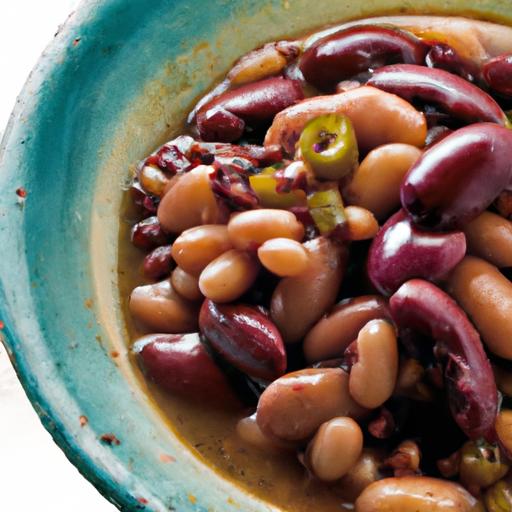
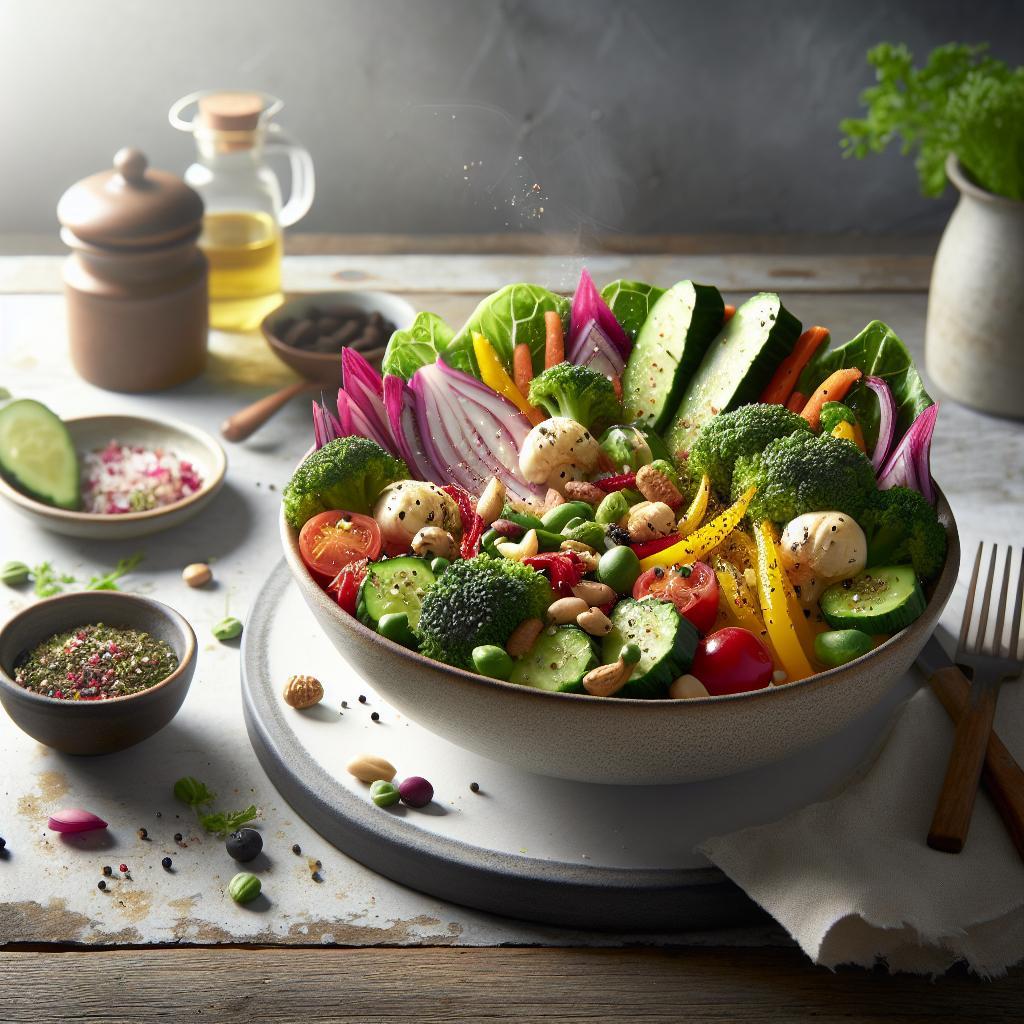
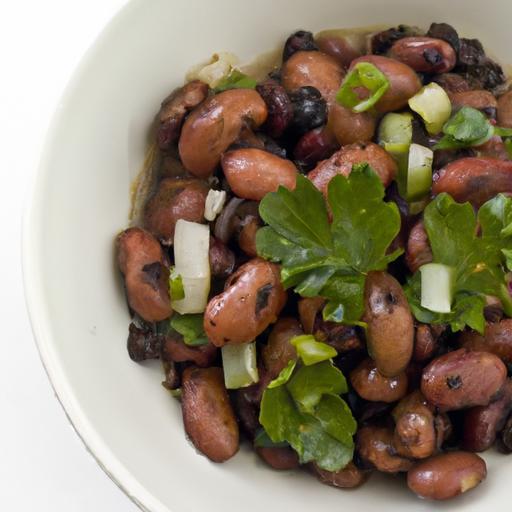
Enjoy your perfectly cooked beans as a nourishing base for salads, stews, or veggie bowls. Sprinkle with fresh herbs like cilantro or parsley, a squeeze of citrus, or a drizzle of roasted chili oil for a vibrant finish. For a stunning presentation, serve in rustic bowls with a swirl of creamy tahini or dollops of Greek yogurt. Paired with warm pita or steamed rice, these beans become a meal worth savoring. Don’t forget a sprinkle of crunchy toasted seeds or crumbled feta to add contrast and texture.
| Nutrient | Per ½ Cup Cooked Beans |
|---|---|
| Calories | 115 |
| Protein | 7.5g |
| Carbohydrates | 20g |
| Fat | 0.5g |
For further culinary inspiration, explore our detailed guide on homemade bean soups, and learn how to incorporate batch-cooked beans effortlessly into weeknight meals. To deepen your knowledge about bean nutrition and health benefits, visit the Healthline beans guide.

Q&A
Q&A: Mastering Dried Beans – Batch Cooking from Scratch Made Easy
Q1: Why choose dried beans over canned?
A1: Dried beans are the ultimate kitchen canvas-affordable, chemical-free, and infinitely versatile. While canned beans are convenient, dried beans offer richer flavor, custom texture, and control over sodium levels. Plus, the satisfaction of transforming humble beans from scratch? Priceless.
Q2: How do I prep dried beans for batch cooking?
A2: Start by sorting to remove debris, then rinse thoroughly. Soaking overnight or using a quick-soak method softens the beans and reduces cooking time. This simple step unlocks creamy tenderness and eases digestion-a double win for your meal and your belly.
Q3: What’s the secret to perfectly cooked beans every time?
A3: Patience, water, and a pinch of love. Simmer beans gently in plenty of water, avoid adding acidic ingredients upfront (they toughen skins), and taste often toward the end. Cook until tender but not mushy-think “delightful bite,” not “bean mush.”
Q4: How much dried beans should I batch cook?
A4: Plan according to your needs! One cup of dried beans yields about 2.5 to 3 cups cooked. Batch cook in big pots or slow cookers to fill jars or freezer bags, ensuring future meals come together in a snap. A Sunday spent batch-cooking is weeknight magic.
Q5: How can I store cooked beans for maximum freshness?
A5: Cool them quickly, then store in airtight containers in the fridge for up to 5 days. For longer life, freeze in portion-sized bags or containers. Beans freeze beautifully and reheat with ease-making them your freezer’s tastiest treasure.
Q6: What creative dishes can I make with batch-cooked beans?
A6: The list is endless! Toss them into salads, blend into hummus or dips, simmer into stews and chilies, mash for spreads, or crisp up as bean “burgers.” Mastering dried beans means unlocking endless kitchen adventures.
Q7: Any tips for enhancing flavor during cooking?
A7: Layer flavor slowly. Start with aromatics like garlic, onions, and herbs. Add salt and acidic ingredients (like tomatoes or vinegar) only when beans are tender to preserve texture. A splash of broth instead of water adds depth, turning simple beans into soulful fare.
Q8: How does mastering dried beans empower batch cooking?
A8: Once you’ve mastered dried beans, batch cooking transforms from chore to charm. You control ingredients, flavors, and textures, reduce waste, and save big time and money. It’s kitchen wizardry that fuels nutritious meals with minimal fuss-every bean a delicious triumph.
Mastering dried beans isn’t just about cooking-it’s about embracing a timeless tradition with modern ease. Ready to unlock your bean brilliance? Happy batch-cooking!
Future Outlook
Mastering dried beans is more than just a culinary skill-it’s an invitation to embrace simplicity, sustainability, and savory satisfaction. With a bit of patience and the right techniques, batch cooking from scratch transforms humble beans into versatile kitchen heroes, ready to elevate everything from weeknight dinners to gourmet feasts. So, roll up your sleeves, soak those beans, and savor the magic that happens when tradition meets modern convenience. Your future self-and your taste buds-will thank you. Welcome to a world where wholesome ingredients and thoughtful preparation make every meal a masterpiece.