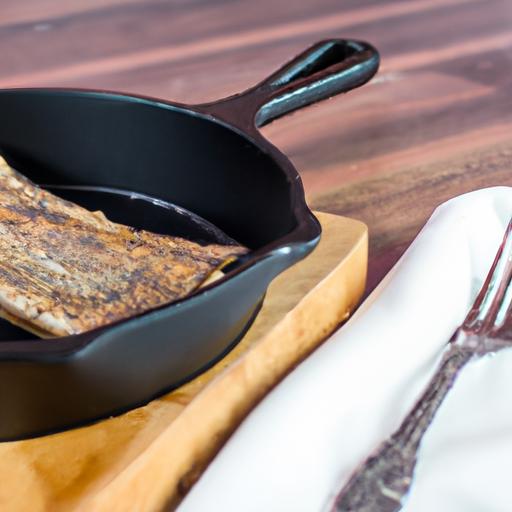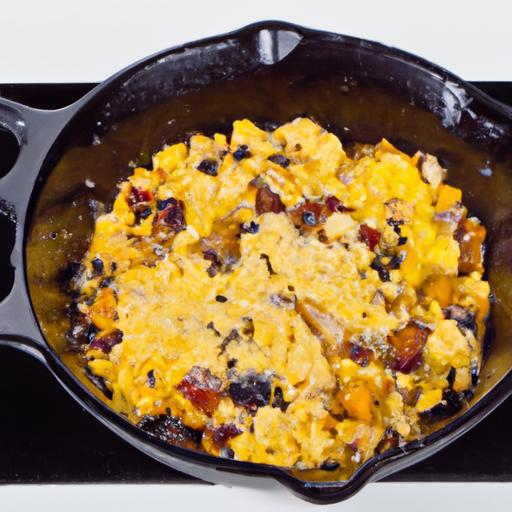

There’s a certain magic that comes with cooking on a cast iron skillet – its timeless durability, unmatched heat retention, and that natural non-stick surface that gets better with each use. But over time, even the sturdiest cast iron can develop an unwelcome guest: rust. That reddish-brown invader not only dulls your skillet’s shine but also threatens its very performance. Fear not, for this “Rust Revival” guide is here to breathe new life into your beloved pan. From gentle scrubbing to seasoning secrets, we’ll walk you through every step to restore that gleaming, smooth surface and get your cast iron skillet back in top culinary form – ready for many more meals to come.
Rust Revival on cast iron skillets begins with understanding why these beloved tools develop rust in the first place. Often, it’s a tale of moisture meeting iron, coupled with neglect or improper storage, opening the door to oxidation. Whether it’s from lingering water, acidic cooking residue, or simply humid air, rust can dull the surface and reduce the skillet’s non-stick magic. But don’t despair-your skillet’s original luster is well within reach with the right steps!
Prep and Cook Time
- Prep Time: 10 minutes
- Active Restoration Time: 45 minutes
- Seasoning Cure Time: 1 hour (with intermittent heating)
Yield
Restores one cast iron skillet, 10-12 inches in diameter
Difficulty Level
Medium – requires patience and careful attention to detail but well worth the effort
Ingredients
- 1 cup coarse kosher salt (for abrasive scrubbing)
- 1 medium lemon, halved
- 1 tablespoon white vinegar (mild rust remover)
- 2-3 tablespoons vegetable oil or flaxseed oil (for seasoning)
- Warm water (enough to soak skillet)
- Optional: steel wool or a stiff nylon brush (for stubborn rust)
Instructions
- Identify the rusted areas by thoroughly inspecting the skillet’s surface and edges. Minor rust spots require gentler methods while widespread rust calls for more aggressive scrubbing.
- Prepare a soak solution: In your sink or a basin, mix equal parts warm water and white vinegar-enough to submerge the rusted portion of your skillet. Soak for 30 minutes. Vinegar gently dissolves rust without harming the seasoning base.
- Rinse the skillet thoroughly with warm water to wash off loosened rust and vinegar residue.
- Sprinkle the coarse kosher salt over dampened rust spots. Using the half lemon as a scrubber, rub in circular motions. The salt acts as a natural abrasive while lemon’s citric acid aids in further rust removal.
- For persistent rust patches, carefully apply steel wool or a nylon brush to scour the surface. Work gently to avoid gouging.
- Rinse again with warm water and wipe dry immediately with a soft cloth to prevent new rust from forming.
- Heat your oven to 375°F (190°C). On the stovetop, warm the skillet over low heat to evaporate any residual moisture.
- Apply a thin coat of vegetable oil to the entire surface-inside and out-with a paper towel. Buff to remove excess oil so the skillet isn’t sticky.
- Place skillet upside down in the preheated oven on the middle rack. Put a sheet of foil below to catch any drips.
- Bake for 1 hour, then turn off the oven and let the skillet cool completely inside the oven. This seasoning step seals the surface, making it rust-resistant and enhancing its signature shine.
Tips for Success
- For lighter rust, a paste of baking soda and water can substitute lemon and salt scrubs, offering a gentle but effective clean.
- Never soak cast iron longer than necessary to avoid damaging the seasoning foundation.
- Season regularly after every few uses, preventing build-up of moisture and rust.
- Store your skillet in a dry place, ideally with a paper towel inside to absorb any humidity.
- For an extra glossy finish, repeat the seasoning process 2-3 times in succession after major rust removal.
Serving Suggestions
Once your skillet gleams with a restored, non-stick surface, it’s ready for culinary adventures-from searing juicy steaks to frying crispy skillet cornbread. Garnish a finished dish with fresh herbs like rosemary or thyme to contrast the skillet’s dark patina. For photography or presentation, a sprinkle of coarse salt and a drizzle of golden olive oil create an inviting glow against the iron.
| Step | Estimated Duration | Key Ingredient/Tool |
|---|---|---|
| Soak in vinegar solution | 30 min | White vinegar, water |
| Scrub with lemon and salt | 10 min | Coarse kosher salt, lemon |
| Heat dry skillet | 5 min | Stovetop heat |
| Seasoning bake | 1 hr + cooling | Vegetable oil, oven |

For more expert maintenance tips, check out our Complete Cast Iron Care Guide. Additionally, visit Cook’s Illustrated for trusted techniques on rust removal.
Q&A
Q&A: Rust Revival – How to Restore Your Cast Iron Skillet’s Shine
Q1: Why does my cast iron skillet develop rust in the first place?
A: Cast iron is beloved for its durability and heat retention, but it’s also prone to rust because it’s basically a porous metal surface. When exposed to moisture and oxygen without adequate seasoning or drying, iron reacts and forms that pesky orange-brown layer. It’s nature’s way of saying your skillet needs a little extra TLC.
Q2: Can I safely remove rust from my cast iron skillet at home?
A: Absolutely! Rust removal is a satisfying kitchen DIY project. With some household items like steel wool, coarse salt, or vinegar, you can bring your skillet back from the brink. The key is gentle persistence: scrub away the rust, rinse thoroughly, and re-season to protect the metal.
Q3: What’s the best method to remove rust effectively without damaging my skillet?
A: Start by scrubbing with steel wool or a stiff brush to loosen the rust. For tougher rust, soak the skillet in a mixture of equal parts vinegar and water for up to an hour-watch closely so it doesn’t get too soft. Once the rust is gone, thoroughly wash and dry the skillet before re-seasoning. Avoid harsh chemicals or abrasive tools that might strip the iron itself.
Q4: How do I restore the signature non-stick shine after rust removal?
A: The secret lies in re-seasoning! After cleaning, coat your skillet lightly with vegetable oil or flaxseed oil. Place it upside down in a preheated oven at about 450°F (230°C) for an hour, then let it cool inside. Repeat this process a few times to build up that smooth, shiny, protective layer that makes cooking a dream.
Q5: Can regular maintenance prevent rust from returning?
A: Yes! Prevention is the easiest fix. Always dry your cast iron immediately after washing. Avoid soaking it in water or putting it in the dishwasher. Apply a thin layer of oil before storing, and don’t let acidic foods sit too long in the skillet. With consistent care, your cast iron can shine rust-free for generations.
Q6: Is it safe to cook in a skillet that had rust but was restored?
A: Once properly cleaned and re-seasoned, your skillet is safe as ever. The seasoning layer seals the raw iron and prevents food from touching any remaining metal directly. Plus, the more you cook with it, the better seasoned and shinier it becomes – truly a kitchen companion reborn!
Q7: Any creative tips for adding a personal touch to my revived cast iron?
A: Glad you asked! After the basic seasoning, consider infusing your skillet with flavors by cooking aromatic oils or herbs like rosemary and garlic on it. Over time, your skillet will develop a unique patina and scent, making each meal a tribute to your cooking journey and rust revival story!
Final Thoughts
Restoring the gleam of a forgotten cast iron skillet is more than just a chore-it’s a revival of a timeless kitchen companion. With a little patience, elbow grease, and the right techniques, you can breathe new life into even the most stubborn rust patches. As the skillet regains its shine, so too does your connection to the rich culinary heritage it embodies. So grab your tools, embrace the process, and let every scrub and seasoning bring you one step closer to that beautifully restored pan, ready to serve up delicious memories for years to come.