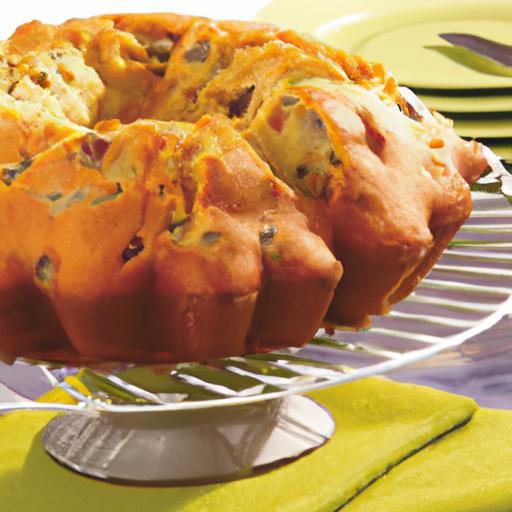

There’s something undeniably charming about a Bundt cake-the elegant grooves, the golden crust, and the promise of a delicious slice waiting to be savored. But once the last morsel has been enjoyed, many home bakers face a daunting foe: the Bundt pan cleanup. Those intricate ridges can trap batter and stubborn crumbs, turning the simple act of washing into a frustrating chore. Fear not, though! With a few clever tricks and easy-to-follow tips, you can transform Bundt pan cleaning from a dreaded task into a quick and satisfying part of your baking routine. Let’s dive into the art of effortless Bundt pan cleaning and discover how to bring out that sparkling shine with minimal fuss.
Effortless Bundt Pan Cleaning: Simple Tips for Sparkling Results
Effortless bundt pan cleaning is the secret to maintaining the gleaming finish of your favorite baking companion while ensuring every cake releases flawlessly. Whether you inherited a vintage pan or invested in a modern, non-stick masterpiece, treating it with the right care transforms post-bake cleanup from a dreaded chore into a satisfying ritual.
Prep and Cook Time
- Preparation: 10 minutes
- Soaking Time: 30 minutes
- Cleaning Time: 15 minutes
- Total Time: Approximately 55 minutes
Yield
1 clean, sparkling bundt pan ready for your next masterpiece
Difficulty Level
Easy – ideal for bakers of all skill levels, even beginners
Ingredients
- Warm water (enough to submerge the pan)
- White vinegar (½ cup, for soaking)
- Baking soda (2 tbsp, for gentle abrasion)
- Dish soap (a few drops, gentle and grease-cutting)
- Soft sponge or nylon scrub brush
- Microfiber or lint-free clean towel
- Food-grade oil (optional, for seasoning certain pans)
Instructions
- Gather the perfect cleaning tools. Begin by selecting a soft sponge or a nylon scrub brush specifically designed for delicate cookware. Avoid metal scrubbers that can scratch your bundt pan’s finish and create flaws that trap residue.
- Pre-soak your bundt pan immediately after baking. Fill the pan with warm water mixed with a splash of dish soap and ½ cup white vinegar. This combination loosens baked-on sugars and fats effortlessly while preserving your pan’s surface.
- Let the pan soak for at least 30 minutes. This “mastering the art of soaking” step is crucial-it softens stubborn residues that plain scrubbing cannot tackle without excessive force.
- Sprinkle baking soda over the wet surface. Baking soda acts as a natural gentle abrasive, creating a paste when combined with a little water. Use your soft sponge to scrub gently, focusing on intricate fluted sections.
- Rinse thoroughly with warm water. Remove all traces of cleaning agents to maintain your pan’s seasoning and non-stick quality.
- Dry your pan with care. Use a microfiber or lint-free towel to pat dry completely. To innovate drying and storing with ease, let it air dry upside down on a clean rack for several hours before storage.
- Optional: Season your pan. If your bundt pan is cast iron or raw metal, lightly rub a thin layer of food-grade oil inside the pan after drying to replenish its protective coating, preventing rust and sticking-this keeps future cakes coming out like a dream.
Tips for Success
- Never use harsh abrasives or steel wool. They can permanently dull or scratch your bundt pan, making effortless bundt pan cleaning much harder.
- Address residue promptly. The sooner you soak and clean, the less stubborn the mess becomes.
- For non-stick pans, avoid very hot water. Extreme heat can warp the surface and reduce longevity.
- Consider using a designated utensil holder for drying. Keeping your pan elevated and upright lets air circulate, accelerating drying and reducing bacteria growth.
Serving Suggestions
Once your bundt pan shines like new, treat it like the baking superstar it truly is. From luscious lemon pound cakes to rich chocolate ganache-filled delights, this pan enhances every creation.
Pair your cake presentation with fresh whipped cream, a dusting of powdered sugar, or vibrant berry compote for added visual appeal-just like your clean bundt pan, these finishing touches capture attention effortlessly.
| Cleaning Step | Estimated Time | Tips |
|---|---|---|
| Soaking | 30 minutes | Use warm water, vinegar, and dish soap for best results |
| Scrubbing | 10 minutes | Gentle circular motions with a soft sponge preserve finish |
| Drying | 15 minutes | Pat dry, then air dry upside-down to avoid moisture build-up |
Learn more about preserving your bakeware’s lifespan in our Kitchen Cookware Care Tips. For in-depth advice on cleaning with vinegar and baking soda, visit EPA’s Household Hazardous Waste Guide.

Q&A
Q&A: Effortless Bundt Pan Cleaning – Simple Tips for Sparkling Results
Q1: Why is cleaning a Bundt pan often considered challenging?
A1: Bundt pans have intricate designs and deep crevices, which can trap batter and grease, making it tricky to completely clean them with just a quick rinse or scrub. Their non-stick surfaces can also be sensitive to abrasive cleaning tools, so a gentle yet effective method is essential.
Q2: What’s the first step to ensuring my Bundt pan is easy to clean after baking?
A2: Prevention is key! Before pouring batter, always grease your Bundt pan thoroughly with butter or non-stick spray, and dust lightly with flour or sugar. This creates a protective barrier that helps your cake release smoothly and minimizes stuck-on residue.
Q3: Can I clean my Bundt pan right after baking, or should I wait?
A3: It’s best to let your Bundt pan cool completely before cleaning. Hot pans can warp or get damaged if exposed to cold water suddenly. Plus, cooled pans allow any stuck bits to loosen slightly, making them easier to remove.
Q4: What’s the simplest homemade solution for cleaning stubborn Bundt pan residue?
A4: Fill the pan with warm water and a generous squirt of mild dish soap. Let it soak for 15-20 minutes. Then, take a soft sponge or nylon brush to gently work through the crevices. For tougher spots, sprinkle baking soda, add a bit of water to make a paste, and gently scrub.
Q5: Should I use a dishwasher for my Bundt pan?
A5: While some Bundt pans are dishwasher-safe, hand washing is usually gentler and preserves the pan’s finish longer. The dishwasher’s harsh detergents and high heat can dull the non-stick coating or cause discoloration over time.
Q6: Are there any quick hacks to speed up the cleaning process?
A6: Absolutely! After soaking, using a soft toothbrush can help reach all those charming nooks without scratching. Another tip: try using a mixture of vinegar and water to dissolve any lingering grease or cake crumbs naturally.
Q7: How do I maintain my Bundt pan’s sparkle for the long haul?
A7: After cleaning, dry your Bundt pan thoroughly to prevent water spots or rust, especially if it’s made of cast iron or aluminum. Store it in a dry place, and occasionally re-season the pan if manufacturer instructions suggest it. Regular gentle cleaning keeps it looking and performing beautifully.
Q8: Is there a way to avoid cake sticking without over-greasing?
A8: Yes! Beyond the classic butter and flour, you can use baking spray that contains flour, or brush the pan with oil and then coat it with sugar. This gives an extra crispy finish and helps the cake easily slip out, reducing residue and simplifying cleanup.
With these tips, cleaning your Bundt pan can become a breeze-making every baking adventure as delightful as biting into the fresh cake itself!
In Conclusion
With these simple yet effective tips tucked into your cleaning toolkit, your beloved Bundt pan will sparkle like new after every use. No more scrubbing marathons or stubborn residue battles-just effortless cleaning that lets you focus on what matters most: creating delicious, show-stopping cakes. Embrace these easy methods and turn your post-baking routine into a quick, satisfying ritual. After all, a clean pan is the secret ingredient to many more sweet moments ahead!