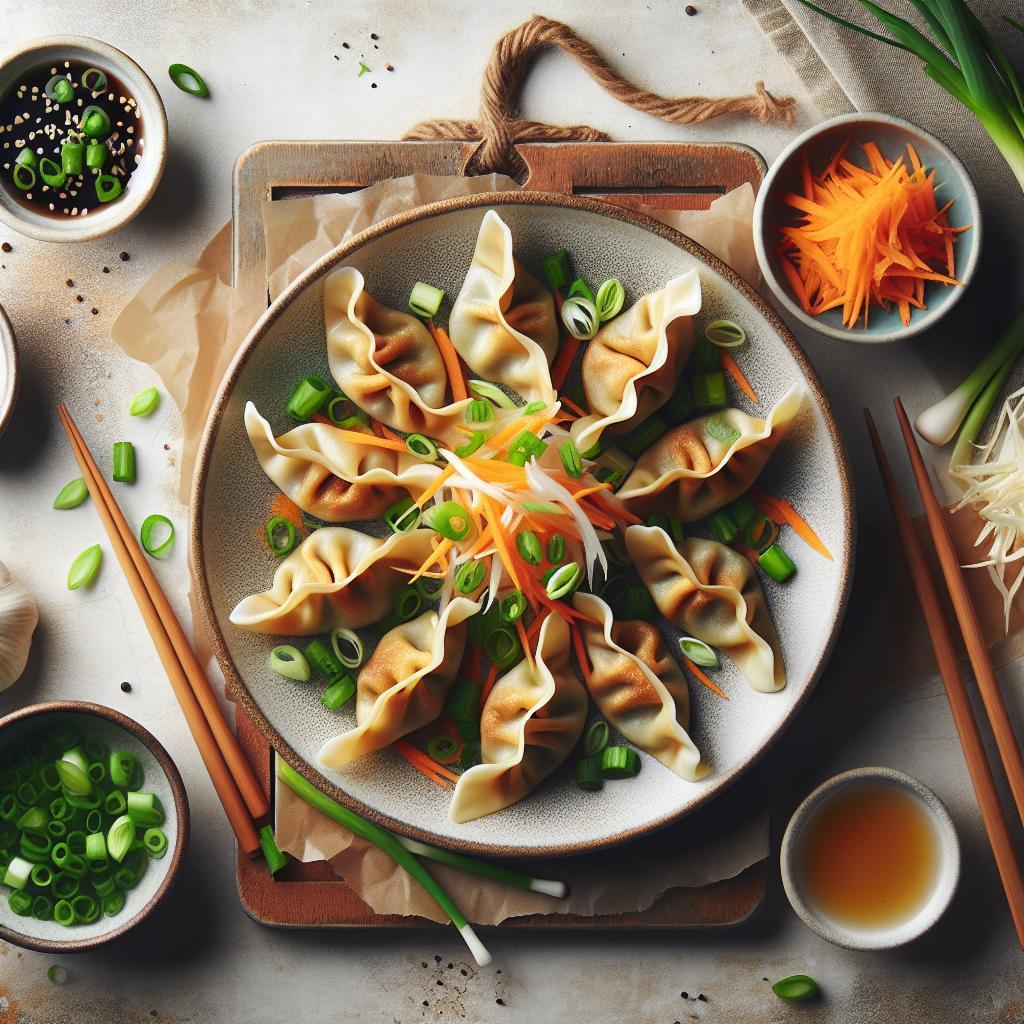

In the world of culinary delights, few dishes marry simplicity and sophistication quite like vegetable wontons. These delicate parcels of flavor are more than just appetizers-they are a testament to the artistry of balance, texture, and taste. Unlocking the secret to perfect vegetable wontons means embracing a harmony of fresh ingredients, precise folding techniques, and cooking methods that transform humble vegetables into bite-sized treasures bursting with vibrant flavor. Join us as we dive into the art and science behind creating these irresistible morsels, revealing how mastering each element can elevate your kitchen creations from ordinary to extraordinary.
The Secret to Selecting Fresh Vegetables for Maximum Flavor
Unlocking Flavor: The Art of Perfect Vegetable Wontons begins with choosing the freshest, most vibrant vegetables. Quality ingredients elevate every bite, transforming simple fillings into mouthwatering delights. When selecting vegetables, look for crispness and rich color-bright green bok choy, deep orange carrots, and glossy shiitake mushrooms are ideal examples. Avoid anything wilted or bruised; freshness directly correlates to flavor intensity and texture balance.
For a truly dynamic filling, opt for produce harvested recently, ideally from local markets where seasonality is a given. The natural sweetness of freshly picked vegetables enhances umami, especially when combined with aromatics like garlic and ginger, perfectly complementing the subtle dough wrapper of the wontons.
Crafting the Ideal Filling Balance for Vegetable Wontons
Achieving an impeccable balance in the filling is crucial when unlocking flavor in vegetable wontons. Focus on layering contrasting textures and harmonious tastes: tender yet slightly firm vegetables, a hint of earthiness, balanced by a subtle savory twist from light soy or tamari sauce.
- Finely chop or grate all vegetables to ensure even cooking and ease of wrapping.
- Incorporate leafy greens like spinach or napa cabbage for moisture.
- Add mushrooms for their meaty, umami-rich quality.
- Use a touch of sesame oil and freshly grated ginger to amplify aroma.
- Light seasoning maintains freshness without overpowering.
This approach guarantees every wonton bursts with flavor and a delicate yet satisfying mouthfeel.
Mastering Wrapping Techniques for a Perfect Crisp
To master wrapping, focus on creating a tight seal without overfilling. Use just enough filling to avoid bursting during cooking, while ensuring each wonton maintains a crisp edge and tender center. Start by lightly brushing the edges of each skin with water, then fold into your preferred shape-classic triangles or intricate pleats work beautifully.
Practice gentle but firm folding motions to avoid tearing. If you’re new, try the simpler half-moon fold first; once comfortable, experiment with pleated folds for an elegant finish. When frying, keep the temperature steady around 350°F for uniform golden crispiness.
Expert Tips for Cooking and Serving Vegetable Wontons to Impress
Cooking vegetable wontons to perfection requires precise heat control. Fry in small batches to preserve temperature and prevent soggy wrappers. You can also steam or pan-fry for varied textures-all methods highlight the fresh filling differently.
Serve hot with dipping sauces such as a tangy soy-ginger or a zesty chili oil. Garnish with chopped scallions, toasted sesame seeds, or finely shredded carrot for color contrast. Plating on a dark ceramic dish accentuates the golden wonton crisp and fresh vegetable hues, elevating your presentation to restaurant caliber.
Prep and Cook Time
- Preparation: 25 minutes
- Cooking: 15 minutes
- Total Time: 40 minutes
Yield
Approximately 30 vegetable wontons (serves 4).
Difficulty Level
Medium – best for home cooks eager to hone their folding and flavor-balancing techniques.
Ingredients
- 1 cup finely shredded napa cabbage, squeezed dry
- 3/4 cup grated carrot
- 1/2 cup finely chopped shiitake mushrooms
- 1/4 cup chopped green onions
- 1 tbsp grated fresh ginger
- 2 cloves garlic, minced
- 1 tsp toasted sesame oil
- 2 tbsp low-sodium soy sauce or tamari
- 1/4 tsp white pepper
- 30 wonton wrappers
- Vegetable oil for frying
Instructions
- Prepare the filling: In a large mixing bowl, combine napa cabbage, carrot, mushrooms, green onions, ginger, and garlic. Add toasted sesame oil, soy sauce, and white pepper. Mix thoroughly but gently to blend flavors without bruising vegetables.
- Set up your workstation: Arrange wonton wrappers on a clean surface with a small bowl of water nearby for sealing.
- Fill the wontons: Place about 1 teaspoon of filling in the center of each wrapper. Dip your finger into water and moisten the edges to create a seal.
- Fold carefully: Fold wrappers over the filling to form a triangle, pressing out air pockets and sealing edges firmly. Optionally, pleat edges for a decorative touch.
- Heat oil: In a shallow pan, pour vegetable oil to about 1/2 inch depth and heat to 350°F (175°C). Maintain steady heat for even frying.
- Cook the wontons: Fry in batches, turning occasionally until golden and crisp, about 3-4 minutes. Drain on paper towels.
Tips for Success
- For moister filling, finely dice leafy greens and squeeze out excess liquid with a clean towel to prevent soggy wontons.
- Wrap wontons as close to cooking time as possible-dried edges can crack during frying.
- Try steaming without oil as a lighter option; cook in a bamboo steamer over boiling water for 6-8 minutes.
- Make ahead: Assemble wontons and freeze on parchment trays for 1 hour. Transfer to a freezer bag; cook directly from frozen.
Serving Suggestions
Present vegetable wontons with dipping sauces like soy-ginger, a mild chili oil, or a citrus ponzu. Garnish with fresh cilantro, toasted sesame seeds, and finely sliced scallions. Serve alongside steamed jasmine rice or a light Asian slaw for a full meal.
| Nutrient | Per Serving |
|---|---|
| Calories | 180 |
| Protein | 5g |
| Carbohydrates | 22g |
| Fat | 7g |

Explore more about cooking techniques and Asian-inspired recipes on our Asian Cuisine Techniques page. For detailed nutritional guidelines on vegetable-based meals, visit Healthline’s Vegetable Nutrition Guide.
Q&A
Q&A: Unlocking Flavor: The Art of Perfect Vegetable Wontons
Q1: What makes vegetable wontons different from traditional wontons?
A1: Vegetable wontons celebrate the vibrant colors, textures, and flavors of fresh produce rather than relying on meat. They offer a lighter, often more refreshing bite with the same satisfying wrapper and cooking techniques, allowing the natural essence of vegetables to shine.
Q2: How do you achieve the perfect filling texture for vegetable wontons?
A2: The key is balancing moisture and firmness. Vegetables should be finely chopped or shredded, then lightly sautéed or blanched to remove excess water without sacrificing crunch. Incorporating ingredients like tofu or finely diced mushrooms can add body and umami, creating a filling that holds together yet remains tender.
Q3: What herbs and seasonings enhance the flavor profile of vegetable wontons?
A3: Aromatics such as garlic, ginger, and green onions form a foundational flavor base, while fresh herbs like cilantro or chives add brightness. A dash of toasted sesame oil or a touch of soy sauce deepens the umami, and subtle hints of chili or white pepper provide a gentle kick that awakens the palate.
Q4: Are there any special techniques for folding vegetable wontons to ensure they don’t burst during cooking?
A4: Yes! Moistening the edges of the wonton wrapper with water before sealing helps create a tight bond. Pressing out excess air before folding prevents bursting. Classic folds-like the simple triangle or the elegant pleat-ensure both a secure seal and an appealing presentation.
Q5: What cooking methods best preserve the flavor and texture of vegetable wontons?
A5: Both steaming and pan-frying work beautifully. Steaming keeps the wontons soft and tender, allowing subtle vegetable flavors to linger. Pan-frying-or potsticking-adds a golden, crispy bottom while maintaining a delicate steamed top, creating a delightful contrast in every bite.
Q6: Can vegetable wontons be made ahead and stored?
A6: Absolutely! After folding, place them on a parchment-lined tray and freeze until solid before transferring to a sealed bag. This prevents sticking and lets you cook them straight from frozen. When ready, steam or pan-fry directly without thawing for best texture.
Q7: What dipping sauces complement vegetable wontons?
A7: A simple soy sauce and rice vinegar blend with a pinch of sugar balances salty and tart notes. Adding minced garlic, finely chopped chili, or sesame seeds can elevate the dip. For a creamier option, try a mild peanut or tahini sauce infused with ginger and lime.
Q8: How can home cooks innovate with vegetable wonton fillings?
A8: Think beyond the usual cabbage and mushrooms! Try incorporating roasted sweet potatoes, diced bell peppers, or even grated beets for natural sweetness and color. Experiment with different spices and nuts, like crushed pistachios or toasted sesame seeds, to add unexpected texture and depth.
Q9: What cultural significance do vegetable wontons hold?
A9: Vegetable wontons showcase adaptability and resourcefulness, reflecting a culinary tradition that honors using seasonal and local ingredients. They’re often a symbol of health-conscious, plant-forward eating within the broader tapestry of Asian cuisines.
Q10: Why is mastering vegetable wontons worthwhile for any home chef?
A10: Perfecting vegetable wontons is an art that combines technique with creativity. It opens doors to endless flavor combinations and dining occasions-from casual snacks to elegant appetizers-making it a rewarding skill that delights both kitchen explorers and guests alike.
Concluding Remarks
As we fold the final edges of these delicate parcels, we uncover more than just a recipe-we unlock a gateway to culinary creativity and cultural tradition. Perfect vegetable wontons are more than a dish; they are an art form that celebrates the harmony of fresh, vibrant ingredients wrapped in tender dough. Whether steamed, boiled, or fried to golden crispness, each bite offers a symphony of textures and flavors that entice the palate and inspire the cook within. By mastering this humble yet intricate craft, you hold the key to transforming simple vegetables into an unforgettable experience. So, gather your favorite fillings, embrace the rhythm of folding, and let your kitchen become the stage where flavor unfolds, one wonton at a time.