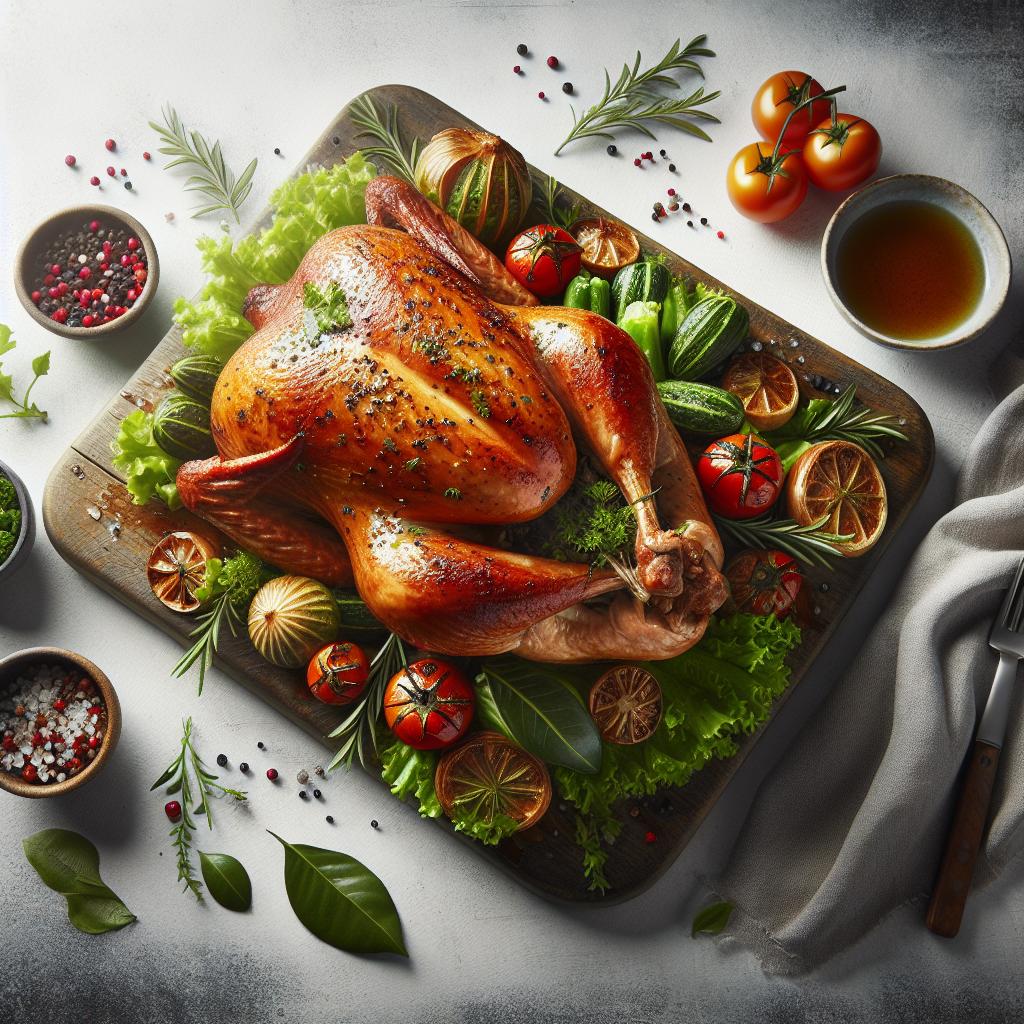

There’s something truly magical about a perfectly roasted turkey-the golden, crispy skin, the tantalizing aroma that fills the kitchen, and, most importantly, the tender, juicy meat that melts in your mouth. Yet, achieving that flawless bird can be as elusive as catching a shooting star. Whether you’re a seasoned chef or a first-time roaster, mastering the perfect turkey roast requires more than just popping it in the oven. It’s an art, a science, and a delicious journey all rolled into one. In this article, we’ll unlock the secrets to juicy success, guiding you through expert tips and foolproof techniques that will elevate your turkey from ordinary to extraordinary, ensuring every bite is a celebration. Let’s carve out the path to your best bird yet!
Choosing the Ideal Turkey and Preparing It for Maximum Moisture
Mastering the Perfect Turkey Roast starts with selecting a bird that promises juiciness and flavor from the very beginning. Opt for a fresh, natural turkey if possible – one labeled “organic” or “free-range” often has better muscle tone and moisture retention. When choosing your turkey, look for a plump, evenly shaped bird with pale pink skin and no dark spots or bruising. Aim for a bird around 12-14 pounds for manageable cooking times and optimal moisture balance.
Before roasting, ensure your turkey is completely thawed. Pat it dry with paper towels to promote crisp, golden skin during roasting. Tucking aromatic herbs like rosemary, thyme, and peppercorns inside the cavity helps infuse subtle, savory notes, while butter rubbed beneath the skin locks in moisture deep within the breast meat.
Brining Secrets That Will Transform Your Roast Into a Juicy Delight
Brining is the ultimate secret weapon in mastering the perfect turkey roast, creating a succulent result that melts in your mouth. The process involves soaking your turkey in a saltwater solution that systematically enhances moisture retention and flavor.
Here’s a fail-safe brine recipe to follow:
- 1 gallon cold water
- 1 cup kosher salt
- 1/2 cup brown sugar
- 4 crushed garlic cloves
- 2 tablespoons black peppercorns
- Fresh herbs: rosemary, thyme, sage (a handful each)
- Optional: 1 diced onion and 2 bay leaves for aromatic depth
Immerse your turkey breast-side down in the brine for 12-24 hours refrigerated, ensuring the bird is fully submerged. Remove and rinse thoroughly to remove excess salt, then pat dry before seasoning and roasting. This transformational step yields a tender, juicy roast bursting with flavor that’s worth every minute of preparation.
Optimal Oven Temperatures and Cooking Techniques for Evenly Cooked Turkey
Achieving perfectly even cooking demands a balanced heat approach. Start by preheating your oven to 425°F (220°C) to kick-start browning and skin crispiness. Roast your bird at this high temperature for 30 minutes.
After the initial burst, reduce the oven to 325°F (160°C) for the remainder of the cooking time – about 13-15 minutes per pound. Use a digital meat thermometer inserted into the thickest part of the thigh without touching the bone; remove the turkey once it hits an internal temperature of 165°F (74°C).
For an extra layer of moisture, baste your turkey every 30 minutes with its own juices or homemade herb butter. Tent the bird loosely with foil if the skin is browning too quickly.
Resting and Carving Like a Pro to Preserve Juiciness and Flavor
Even the most perfectly roasted turkey can lose precious juices if carved too soon. After you remove the bird from the oven, tent it with foil and let it rest for at least 20-30 minutes. Resting permits the juices to redistribute throughout the meat, resulting in moist slices with rich flavor.
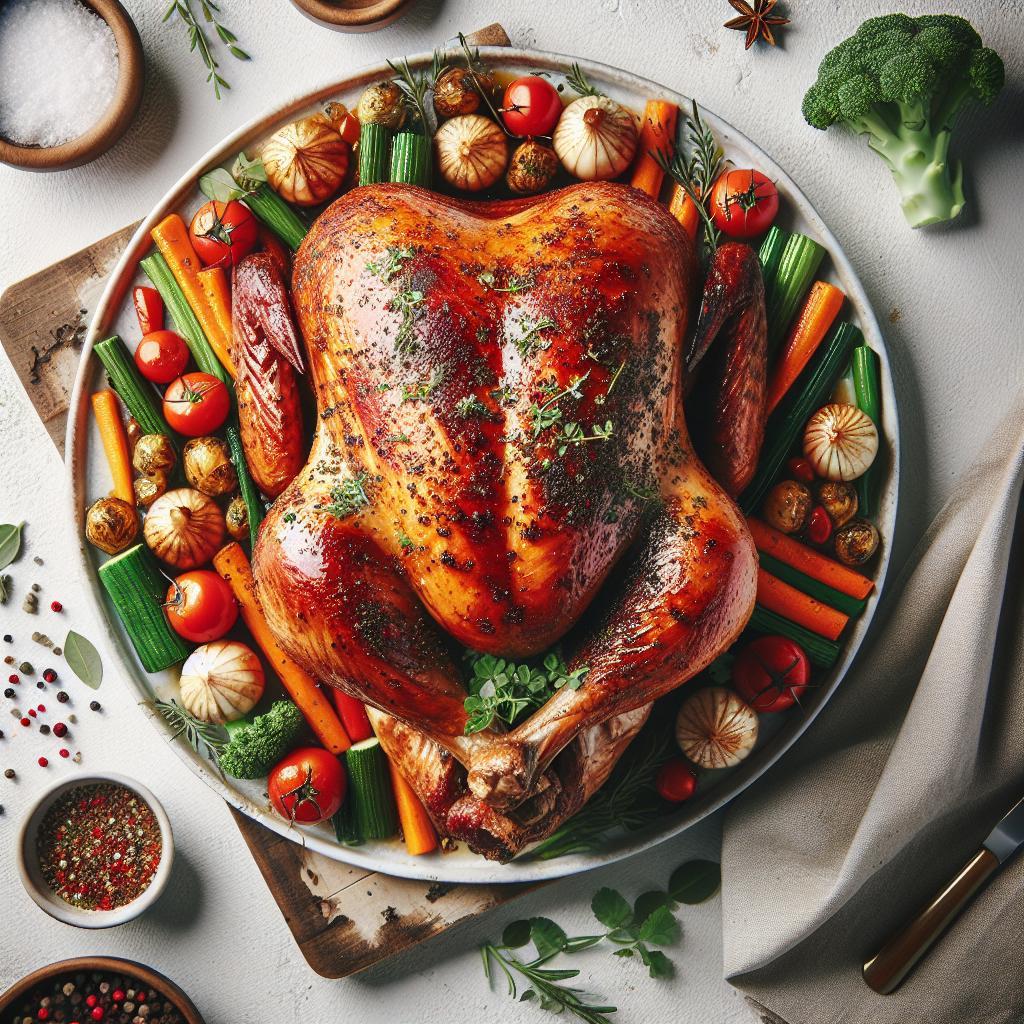
When carving, start by removing the legs and thighs using a sharp knife, then carefully slice the breast meat thinly against the grain for tender bites. Use a carving fork to steady the bird, ensuring clean, even cuts. Present your slices gracefully on a warmed platter, garnished with fresh herbs and citrus wedges for a stunning visual and aromatic appeal.
Prep and Cook Time
- Prep: 15 minutes (excluding brining time)
- Brining: 12-24 hours (optional but recommended)
- Cook: 3-4 hours depending on turkey size
- Resting: 20-30 minutes
Yield
Serves approximately 10-12 people
Difficulty Level
Medium (requires planning and attention to timing, but accessible to passionate home cooks)
Ingredients
- 1 (12-14 lb) fresh or thawed turkey, neck and giblets removed
- 4 tbsp unsalted butter, softened
- 2 tsp kosher salt
- 1 tsp freshly ground black pepper
- 4 garlic cloves, minced
- 1 bunch fresh rosemary
- 1 bunch fresh thyme
- 1 large onion, quartered
- 1 lemon, halved
Instructions
- Brine your turkey: Combine all brining ingredients in a large container and dissolve salt and sugar completely. Submerge the turkey completely. Refrigerate for 12-24 hours.
- Preheat the oven: Set to 425°F (220°C). Remove turkey from brine, rinse well, and pat dry with paper towels.
- Prepare the turkey: Rub softened butter under and over the skin. Season evenly with salt, pepper, and garlic. Stuff cavity with onion, lemon halves, rosemary, and thyme.
- Start roasting: Place the turkey breast-side up on a rack in a roasting pan. Roast at 425°F for 30 minutes to crisp the skin.
- Reduce oven temperature: Lower to 325°F (160°C). Continue roasting, basting every 30 minutes, until internal temperature reaches 165°F (74°C), approximately 13-15 minutes per pound.
- Rest thoroughly: Remove the turkey from the oven, tent loosely with foil, and rest for 20-30 minutes to lock in juices.
- Carve with care: Begin with legs and thighs, then thinly slice breast meat against the grain. Arrange on a platter with fresh herb garnish and citrus wedges for serving.
Tips for Success
- Allow ample time for brining to enhance moisture; skipping this step will yield a less juicy turkey.
- Use a reliable instant-read thermometer-guesswork often leads to dry or undercooked meat.
- Butter beneath the skin is key; it bastes the meat from inside and promotes crispiness outside.
- If you don’t have fresh herbs, dried aromatic blends work but use sparingly to avoid bitterness.
- For ease, prepare the brine and seasoning the day before. Keep your turkey refrigerated during resting after brining.
Serving Suggestions
Serve slices on a warmed platter garnished with sprigs of rosemary and thyme. Add bright pops of color with orange or lemon slices and scatter dried cranberries for an autumnal touch. Pair with creamy mashed potatoes, roasted root vegetables, and a rich gravy crafted from pan drippings. Fresh bread rolls and crisp green salads complement the feast perfectly.
| Nutrient | Per Serving (Approx.) |
|---|---|
| Calories | 350 kcal |
| Protein | 40 g |
| Carbohydrates | 2 g |
| Fat | 18 g |

USDA Turkey Selection & Cooking Guide
Discover more about enhancing your holiday meals in our article on Holiday Roast Recipes for Every Occasion.
Q&A
Q&A: Mastering the Perfect Turkey Roast: Tips for Juicy Success
Q1: What is the single most important factor for a juicy turkey roast?
A1: Moisture retention is key! Brining your turkey before roasting helps the meat absorb and lock in water, ensuring each bite bursts with juicy flavor. Whether you choose a wet brine or a dry brine, this step is a game-changer for succulence.
Q2: How do I prevent the turkey breast from drying out while the legs finish cooking?
A2: Try starting your roast breast-side down. This allows the richer, fattier dark meat to baste the breast as it cooks, keeping it moist. After most of the cooking is done, flip the bird breast-side up to crisp the skin beautifully.
Q3: What temperature should I roast my turkey for the best results?
A3: A moderate oven temperature, around 325°F (163°C), encourages even cooking and prevents drying. For extra crispy skin, you can start high, around 425°F (218°C) for the first 20-30 minutes, then lower the heat to finish gently.
Q4: Should I stuff the turkey? How does that affect cooking?
A4: Cooking stuffing inside the turkey can extend roasting time and increase the risk of undercooked filling. For juicier results and food safety, consider roasting stuffing separately and focusing on perfecting the turkey itself.
Q5: Is resting the turkey really necessary?
A5: Absolutely! Let your turkey rest for at least 20-30 minutes after coming out of the oven. Resting allows the juices to redistribute evenly throughout the meat, so when you carve, those flavorful juices don’t just run onto your cutting board.
Q6: Any tips on seasoning beyond salt and pepper?
A6: Don’t be shy with fresh herbs like rosemary, thyme, and sage-tuck them under the skin or inside the cavity for an aromatic punch. Add lemon zest or garlic for bright, savory layers that elevate the roast.
Q7: How can I tell when my turkey is perfectly cooked without overdoing it?
A7: Use a reliable meat thermometer. The ideal internal temperature is 165°F (74°C) in the thickest part of the breast and 175°F (79°C) in the thigh. This ensures food safety while avoiding the dreaded dry texture.
Q8: Can I baste my turkey to keep it juicy?
A8: Basting every 30 minutes can help, but opening the oven frequently also releases heat. Instead, consider roasting on a bed of aromatic vegetables and baste once or twice towards the end to boost flavor without compromising heat.
Q9: How do I achieve crispy, golden skin?
A9: Pat the skin dry with paper towels before roasting, and rub with butter or oil to promote browning. Starting at a higher temperature or finishing with a quick broil can give you that irresistible crunch.
Q10: Any advice for carving the turkey beautifully?
A10: Let the bird rest first, then use a sharp carving knife. Remove the legs and thighs first, slice the breast against the grain into even pieces, and don’t forget to serve with those delicious pan drippings for extra flavor.
Master these tips, and your turkey roast will be the star of every feast-moist, flavorful, and utterly unforgettable!
The Way Forward
As the aroma of your perfectly roasted turkey fills the room and the first slice reveals its tender, juicy interior, you’ll know that the journey to mastering the perfect turkey roast was worth every careful step. With these tips in your culinary arsenal, you’re not just cooking a bird-you’re crafting a centerpiece of flavor and tradition that brings family and friends together around the table. So, embrace the art of patience, seasoning, and technique, and transform your next turkey roast into a juicy success story that will be savored for years to come. Happy roasting!