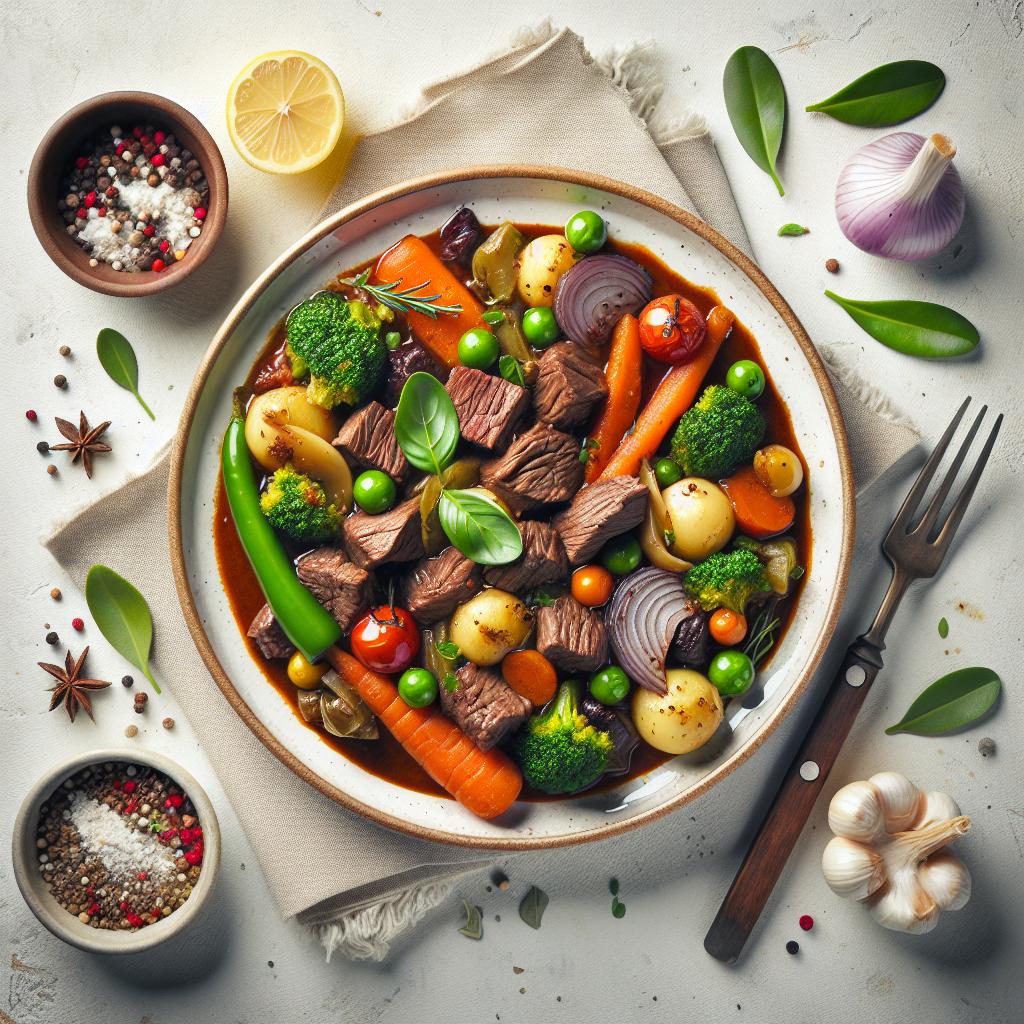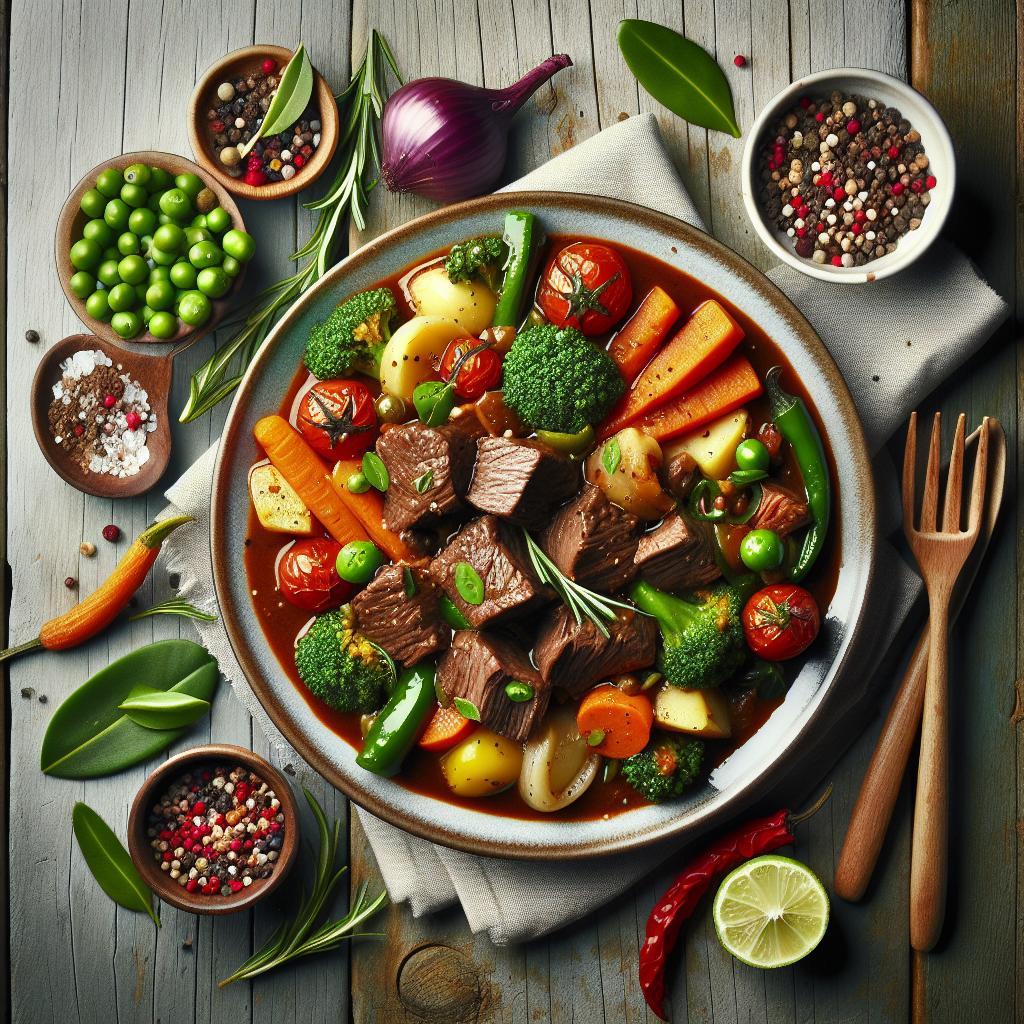

There’s something undeniably warm and soul-soothing about a bowl of hearty beef stew-a timeless classic that has graced kitchens and dinner tables for generations. Behind its rich, velvety broth and tender, melt-in-your-mouth chunks of beef lies a tapestry of culinary secrets waiting to be uncovered. In this guide, we’ll dive deep into the art of crafting the perfect beef stew, revealing techniques and tips that transform humble ingredients into a comfort dish that feels like a cozy hug on a chilly day. Whether you’re a seasoned home cook or a kitchen novice, these secrets will elevate your stew from simple sustenance to an unforgettable feast.
Hearty Beef Stew Secrets unlock the essence of a truly comforting and soul-warming meal that has transcended generations. Rooted in rustic kitchens where slow-cooking tender meat melds seamlessly with aromatic herbs and seasonal bounty, this dish invites you to savor a rich tapestry of flavors. Whether a chilly evening or a family gathering, this stew promises velvety texture and robust depth, making every spoonful a celebration of homestyle culinary mastery.
Prep and Cook Time
Total Time: 3 hours 15 minutes
Prep Time: 30 minutes
Cook Time: 2 hours 45 minutes
Yield
Serves 6 hearty portions – perfect for sharing warmth and comfort with loved ones.
Difficulty Level
Medium – ideal for cooks ready to hone their slow-simmering techniques with practical, hands-on steps.
Ingredients
- 2 lbs boneless chuck roast, cut into 1½-inch cubes
- 1 cup all-purpose flour, sifted
- 3 tbsp vegetable oil or beef tallow
- 1 large onion, finely chopped
- 4 cloves garlic, minced
- 4 cups low-sodium beef broth
- 2 cups water
- 2 large carrots, peeled and sliced on the bias
- 2 parsnips, peeled and chopped
- 3 celery stalks, diced
- 2 medium Yukon Gold potatoes, cubed
- 2 tbsp tomato paste
- 1 tbsp Worcestershire sauce
- 2 bay leaves
- 1 tsp dried thyme
- 1 tsp smoked paprika
- 1 tsp freshly cracked black pepper
- 1 tbsp fresh rosemary, chopped
- Salt to taste
- Fresh parsley, finely chopped for garnish
Instructions
- Prepare your beef: Toss the beef cubes in the flour, ensuring each piece is well-coated but not clumpy. This step will create a luscious crust and help thicken the stew later.
- Sear the beef: Heat oil in a heavy-bottomed Dutch oven over medium-high heat. Sauté beef in batches, shaking off excess flour, until golden brown on all sides, about 5 minutes per batch. Set aside.
- Build the broth foundation: In the same pot, add onions and garlic; sauté until translucent and fragrant, about 3-4 minutes. Stir in tomato paste and cook for another 2 minutes – this deepens the flavor complexity.
- Deglaze and enrich: Slowly add beef broth and water, scraping up all the caramelized bits stuck to the pan bottom. These bits are key to enriching your broth with layers of umami.
- Add herbs and seasoning: Stir in Worcestershire sauce, bay leaves, thyme, rosemary, paprika, salt, and black pepper. Return the browned beef to the pot; bring everything to a gentle simmer.
- Slow simmer secrets: Cover and simmer on low heat for 2 hours, stirring occasionally. This method ensures the beef becomes fork-tender and the broth thickens to a velvety consistency without losing moisture.
- Add root vegetables: After two hours, gently fold in carrots, parsnips, celery, and potatoes. Cover again and simmer for an additional 45 minutes or until vegetables are tender but not mushy.
- Final seasoning adjustment: Remove bay leaves and taste for seasoning; adjust salt and pepper if needed. Let the stew rest, covered off heat, for 10 minutes to marry all flavors beautifully.
- Serve and garnish: Ladle into warm bowls and sprinkle with fresh parsley for a vibrant finish. The contrast of earthy herbs and bright garnish invites the senses.
Tips for Success
- Choosing the right cut matters: Opt for chuck roast with visible marbling-it melts beautifully during slow cooking, enhancing flavor and tenderness.
- Don’t rush the sear: Pat beef dry before dredging in flour; this helps create a caramelized crust which layers flavor.
- Broth depth boosts with fresh herbs: Use fresh rosemary and thyme when possible, added toward the end for brightness.
- Make-ahead magic: Like most stews, flavors intensify after a day-store leftovers refrigerated and gently reheat for an even heartier taste experience.
- For gluten-free variation: Substitute all-purpose flour with cornstarch for dredging and thickening the stew.
Serving Suggestions
This dish pairs beautifully with a crusty baguette or buttery rustic bread, perfect for soaking up the rich broth. Serve alongside a crisp green salad dressed in a tangy vinaigrette to balance the stew’s comforting heft. Garnish with an extra touch of fresh parsley or a zest of lemon to lift the earthy tones, creating an inviting plate that welcomes you home.
| Nutritional Info (per serving) | Calories | Protein (g) | Carbs (g) | Fat (g) |
|---|---|---|---|---|
| Hearty Beef Stew | 380 | 38 | 27 | 14 |
Explore our Ultimate Guide to Homemade Beef Broth to elevate your stew starters further.
For detailed insights on herbs and nutrients, visit WebMD’s Herbs and Spices Guide.

Q&A
Q: What makes a beef stew truly hearty and comforting?
A: The magic lies in slow-cooked, tender beef combined with a rich, well-seasoned broth. Layering flavors from aromatic vegetables like onions, carrots, and celery, along with herbs and spices, creates a depth that warms both body and soul. The texture balance-melt-in-your-mouth meat, soft potatoes, and crisp-tender veggies-rounds out the experience.
Q: How do I choose the best cut of beef for stew?
A: Opt for tougher cuts such as chuck or brisket. These have enough marbling and connective tissue to become succulent and tender after slow cooking. The collagen breaks down into luscious gelatin, giving the stew its signature silky texture and hearty mouthfeel.
Q: Can I make the stew thicker without flour?
A: Absolutely! Pureeing a portion of the cooked vegetables or potatoes and stirring them back in is a natural thickening trick. You can also mash a few potato chunks or use a slurry of cornstarch mixed with cold water toward the end of cooking for extra body.
Q: What’s the secret to rich, deep flavor in the broth?
A: Browning the beef pieces before simmering builds a flavorful crust through the Maillard reaction. Also, slowly simmering with herbs like thyme, bay leaves, and rosemary, plus adding umami boosts like tomato paste or mushrooms, layers complex savory notes. Don’t forget to season gradually and adjust salt at the end to enhance all other flavors.
Q: How long should I cook beef stew to get optimal tenderness?
A: Patience is key. Simmering gently on low heat for at least 2 to 3 hours allows tough fibers to soften and flavors to meld. Using a slow cooker or an oven at low temperature can result in even more tender and luscious stew.
Q: What vegetables work best in a classic beef stew?
A: Traditional choices include hearty root vegetables like carrots, potatoes, and parsnips, which hold up well to long cooking. Celery adds aromatic crunch, and pearl onions bring subtle sweetness. Feel free to add mushrooms for earthiness or turnips for a slightly peppery bite.
Q: How can I keep vegetables from getting mushy in a long-simmered stew?
A: Add more delicate veggies later in the cooking process to preserve their texture. For example, potatoes and carrots can go in at the beginning, but softer vegetables like peas or green beans should be stirred in during the final 15 minutes of cooking.
Q: Is it possible to make beef stew ahead of time?
A: Yes! Beef stew often tastes even better the next day because the flavors have more time to deepen. Store it in the fridge overnight, then gently reheat. If the broth thickens too much upon chilling, stir in a bit of broth or water to loosen it before warming.
Q: Any tips for serving this comforting classic?
A: Serve your beef stew hot with crusty bread to soak up the luscious sauce. Mashed potatoes or buttered noodles also make perfect companions. Garnishing with fresh parsley or a sprinkle of cracked black pepper adds a fresh, vibrant finish.
Q: Can I tweak this recipe for dietary preferences without losing the classic feel?
A: Definitely. For lower sodium, use homemade or low-sodium broth and go light on added salt. To add a burst of color and nutrition, toss in leafy greens like kale or spinach near the end. Plant-based substitutions aren’t recommended here, as the slow-cooked beef’s texture and flavor are core to the stew’s comforting identity.
Key Takeaways
As the rich aroma of simmering beef stew fills your kitchen, remember that this comforting classic is more than just a meal-it’s a warm embrace on a chilly day, a timeless tradition passed from one loving cook to another. By unlocking these hearty beef stew secrets, you’re not only mastering a recipe but also crafting moments of connection and contentment. So gather your ingredients, trust the process, and let your stew tell its own delicious story, one savory spoonful at a time. Here’s to comfort, flavor, and the simple joy of a perfect pot of beef stew.