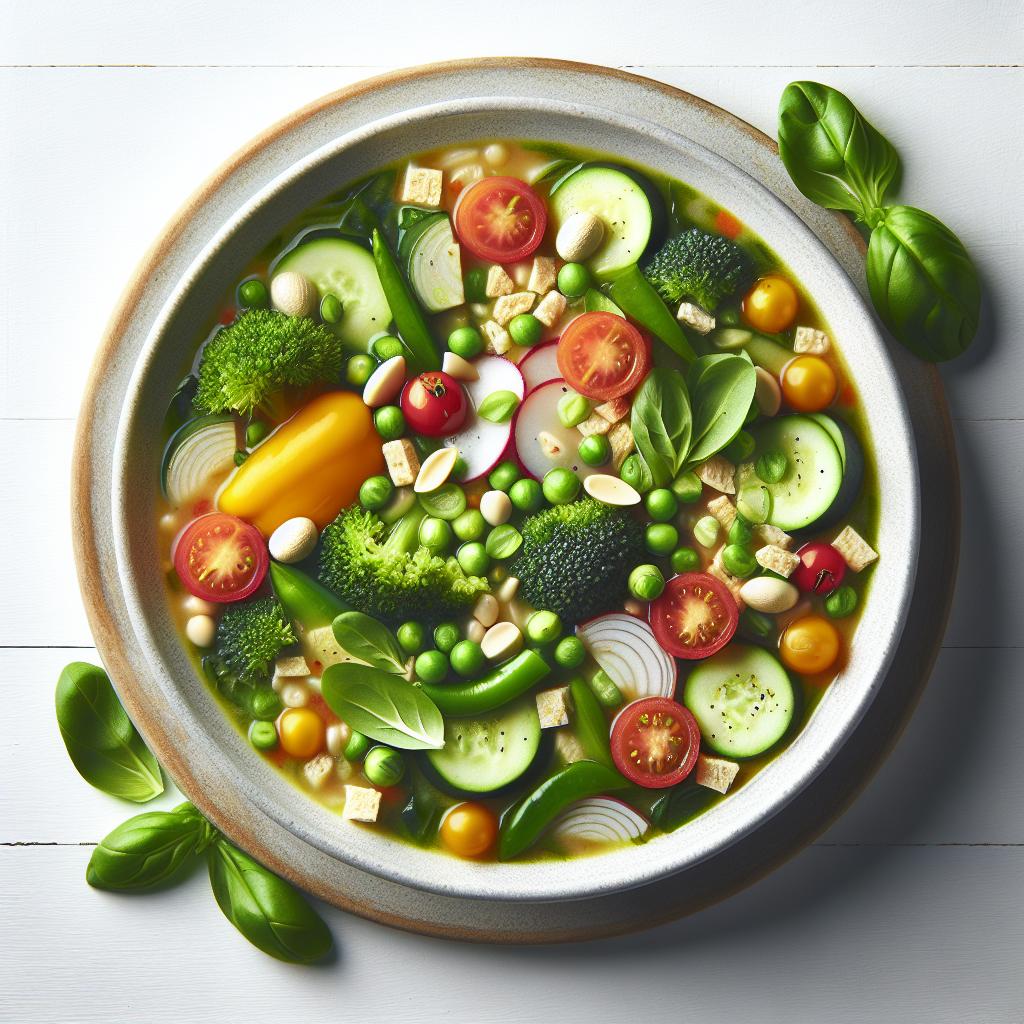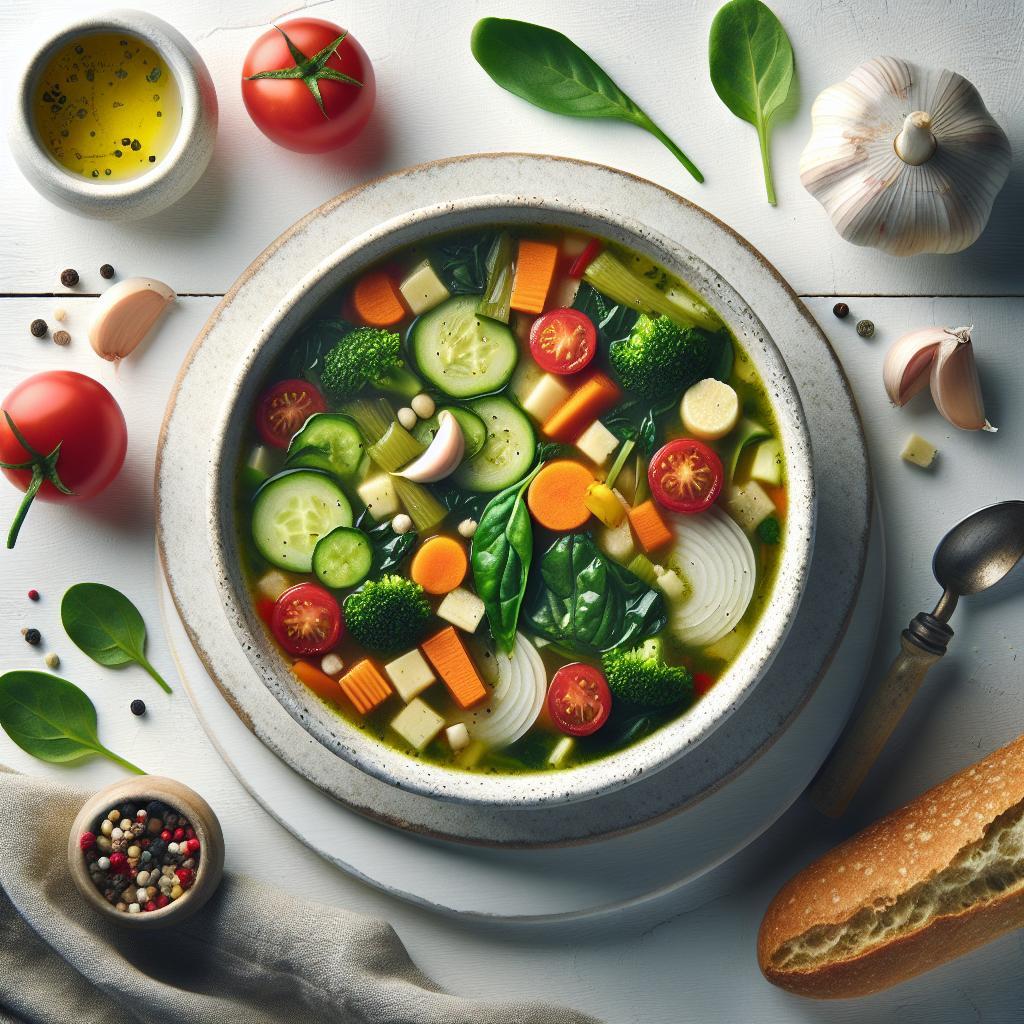

There’s something undeniably soothing about a steaming bowl of minestrone – its rich, hearty aroma conjures memories of cozy kitchens and sun-dappled Italian gardens. But what if this beloved classic could be reimagined through the prism of fresh, vibrant garden bounty? Enter the Garden Minestrone: a lively twist on tradition that celebrates the season’s freshest vegetables, herbs, and textures. In this article, we’ll explore how this refreshing reinvention not only honors the comforting roots of minestrone but also breathes new life into every spoonful, turning a timeless favorite into a garden-fresh sensation.
Garden Minestrone: A Fresh Take on Classic Comfort Soup
Garden Minestrone is a vibrant celebration of the season’s freshest vegetables and aromatic herbs, combining rustic Italian tradition with a lively, modern freshness. This wholesome soup captures the essence of a flourishing garden, transforming simple ingredients into a comforting bowl of nourishing goodness. Inspired by sun-drenched afternoons in the countryside, this recipe invites you to savor every spoonful of verdant harvest paired with a perfectly balanced broth that sings with depth and warmth.
Prep and Cook Time
- Preparation: 20 minutes
- Cooking: 40 minutes
- Total Time: 1 hour
Yield
Serves 6 generous bowls
Difficulty Level
Easy to Medium – perfect for home cooks looking to impress with minimal fuss
Ingredients
- 2 tbsp extra virgin olive oil
- 1 medium yellow onion, finely chopped
- 3 cloves garlic, minced
- 2 medium carrots, diced
- 2 celery stalks, diced
- 1 small zucchini, cubed
- 1 cup green beans, trimmed and cut into 1-inch pieces
- 1 cup fresh green peas (or frozen, thawed)
- 1 cup fresh or canned diced tomatoes, with juices
- 1 ½ cups cooked cannellini beans, drained and rinsed
- 6 cups vegetable broth, preferably homemade or low sodium
- 1 bay leaf
- 1 tsp dried oregano
- 1 tsp dried thyme
- 1 cup small whole-wheat pasta (such as ditalini or elbow macaroni)
- Salt and freshly ground black pepper, to taste
- ¼ cup freshly chopped flat-leaf parsley
- 2 tbsp fresh basil, chiffonade
- Freshly grated Parmesan or a vegetarian hard cheese alternative, for serving (optional)
Instructions
- Warm the olive oil in a large, heavy-bottomed pot over medium heat. Add the onion and garlic, sautéing until translucent and fragrant, about 4 minutes. Stir regularly to avoid browning.
- Add the carrots and celery, cooking until they just begin to soften, roughly 6 minutes. This builds the soup’s base with layered sweetness and aromatic earthiness.
- Stir in the zucchini, green beans, and peas, tossing to combine the medley. Cook for 3 minutes, allowing the vegetables to brighten while retaining crispness.
- Pour in the vegetable broth alongside the diced tomatoes and their juices. Add the bay leaf, oregano, and thyme. Increase heat and bring to a gentle boil, then reduce heat and simmer uncovered for 20 minutes. This melds all garden flavors and lets the broth absorb their essence.
- Add the pasta and cook for 8-10 minutes, or until al dente. Stir occasionally to prevent sticking.
- Mix in the cannellini beans and simmer for an additional 5 minutes to warm through and enhance the hearty texture.
- Remove from heat, discard the bay leaf, and season generously with salt and freshly ground black pepper. Stir in chopped parsley and basil to amplify freshness right before serving.
- Serve hot with a sprinkle of freshly grated Parmesan or your preferred hard cheese alternative to add a subtle savory finish, if desired.
Tips for Success
- Seasonal picks: Swap or add squash, kale, or fresh corn to tailor your soup to available vegetables and maximize freshness.
- Homemade broth: Using your own vegetable broth intensifies the flavor profile; a quick homemade broth recipe is available here.
- Gluten-free option: Replace the pasta with gluten-free pasta or quinoa for a hearty, allergen-friendly variation.
- Make-ahead: Prepare the soup base a day ahead and add pasta just before reheating to prevent overcooking.
- Storage tip: Keep leftover soup refrigerated for up to 4 days or freeze in portioned containers for up to 3 months.
Serving Suggestions: Elevating Your Minestrone Experience
Present your Garden Minestrone with a rustic side of toasted garlic focaccia or a crisp mixed green salad lightly dressed with lemon and olive oil. Garnish each bowl with a fresh basil leaf and a light drizzle of extra virgin olive oil to highlight the soup’s garden brightness. For an extra touch of indulgence, scatter a handful of toasted pine nuts or crumbled ricotta salata on top to boost texture and creamy contrast.
| Nutrient | Per Serving |
|---|---|
| Calories | 220 kcal |
| Protein | 10 g |
| Carbohydrates | 35 g |
| Fat | 5 g |

For further inspiration on how to maximize seasonal vegetables, visit the USDA Food and Nutrition Service for valuable advice on incorporating fresh produce into your daily meals.
Q&A
Q&A: Garden Minestrone – A Fresh Take on Classic Comfort Soup
Q1: What makes Garden Minestrone different from the traditional version of minestrone?
A1: Garden Minestrone breathes new life into the classic Italian soup by spotlighting the freshest garden vegetables. Instead of relying heavily on canned or preserved ingredients, this version embraces vibrant seasonal produce straight from your backyard or farmers’ market, offering a lighter, more aromatic experience while maintaining the comforting heartiness minestrone is known for.
Q2: Which vegetables are essential for an authentic Garden Minestrone?
A2: Key players include tender zucchini, crisp green beans, sweet peas, bright tomatoes, fresh spinach or kale, and garden-fresh herbs like basil and oregano. The mix can be as colorful and varied as your garden allows, creating a medley of textures and flavors that celebrate the bounty of the earth.
Q3: How do you ensure the soup remains hearty without using meat?
A3: Garden Minestrone leans on nutrient-rich beans-like cannellini or kidney beans-and a small serving of al dente pasta or farro to provide satisfying substance. The beans add protein and creaminess, while the grains lend a gentle chew, making each spoonful comforting yet wholesome.
Q4: What cooking techniques help to highlight the freshness of these garden vegetables?
A4: Lightly sautéing garlic and onions to release their aroma before adding the vegetables ensures a fragrant base. Gentle simmering keeps the veggies tender-crisp, preserving their color and nutrients. Adding delicate greens and herbs towards the end maintains their vibrant flavor and vibrant punch.
Q5: Can the recipe be adapted for different seasons?
A5: Absolutely! The beauty of Garden Minestrone is its flexibility. Use spring peas and asparagus in early seasons; summer invites tomatoes, zucchini, and sweet corn; autumn’s harvest might bring root vegetables and hearty kale; and winter calls for robust beans and dark leafy greens. Each seasonal twist offers a unique story in your bowl.
Q6: How can I make this soup extra nourishing without adding dairy or heavy creams?
A6: Stir in a spoonful of nutritional yeast or a splash of vegetable broth enriched with umami flavors from mushrooms. Toasted nuts or seeds sprinkled on top add crunch and healthy fats, while finishing with a drizzle of good-quality extra virgin olive oil enhances richness naturally.
Q7: What are some creative ways to serve Garden Minestrone?
A7: Serve it as a starter with crusty whole-grain bread or transform it into a main dish by pairing it with a fresh, crisp salad. For a fun twist, ladle it over quinoa or polenta for an inventive fusion of textures. A garnish of fresh herbs and a squeeze of lemon brighten every bowl.
Q8: How does Garden Minestrone support a sustainable and healthy eating lifestyle?
A8: By focusing on fresh, local, and seasonal vegetables, this soup reduces reliance on processed or imported ingredients, lowering its carbon footprint. It also emphasizes plant-based nutrition rich in fiber, vitamins, and antioxidants, promoting wellbeing without compromising flavor or comfort.
Q9: Can this soup be prepared ahead of time and stored?
A9: Yes! Garden Minestrone tastes even better the next day as the flavors deepen. Store in an airtight container in the refrigerator for up to 3 days, or freeze portions for quick, wholesome meals on busy days. Just reheat gently to maintain vegetable texture and vibrant color.
Q10: What kitchen tools are most helpful when making Garden Minestrone?
A10: A large heavy-bottomed pot or Dutch oven ensures even cooking and prevents sticking. A sharp chef’s knife helps prep vegetables efficiently, while a wooden spoon is perfect for gentle stirring. Finally, a sturdy ladle makes serving this comforting, colorful creation a joy.
Concluding Remarks
As the seasons turn and the garden yields its vibrant harvest, Garden Minestrone invites us to rediscover comfort in every spoonful. This fresh take on a classic soup not only celebrates nature’s bounty but also honors the timeless tradition of nourishing both body and soul. Whether you’re a seasoned chef or a curious cook, embracing the colorful mosaic of garden-fresh ingredients transforms a simple meal into a heartfelt experience. So next time you crave warmth and flavor, let your garden’s treasures inspire a bowl of minestrone that is as wholesome as it is invigorating-because sometimes, the best comfort comes straight from the earth.