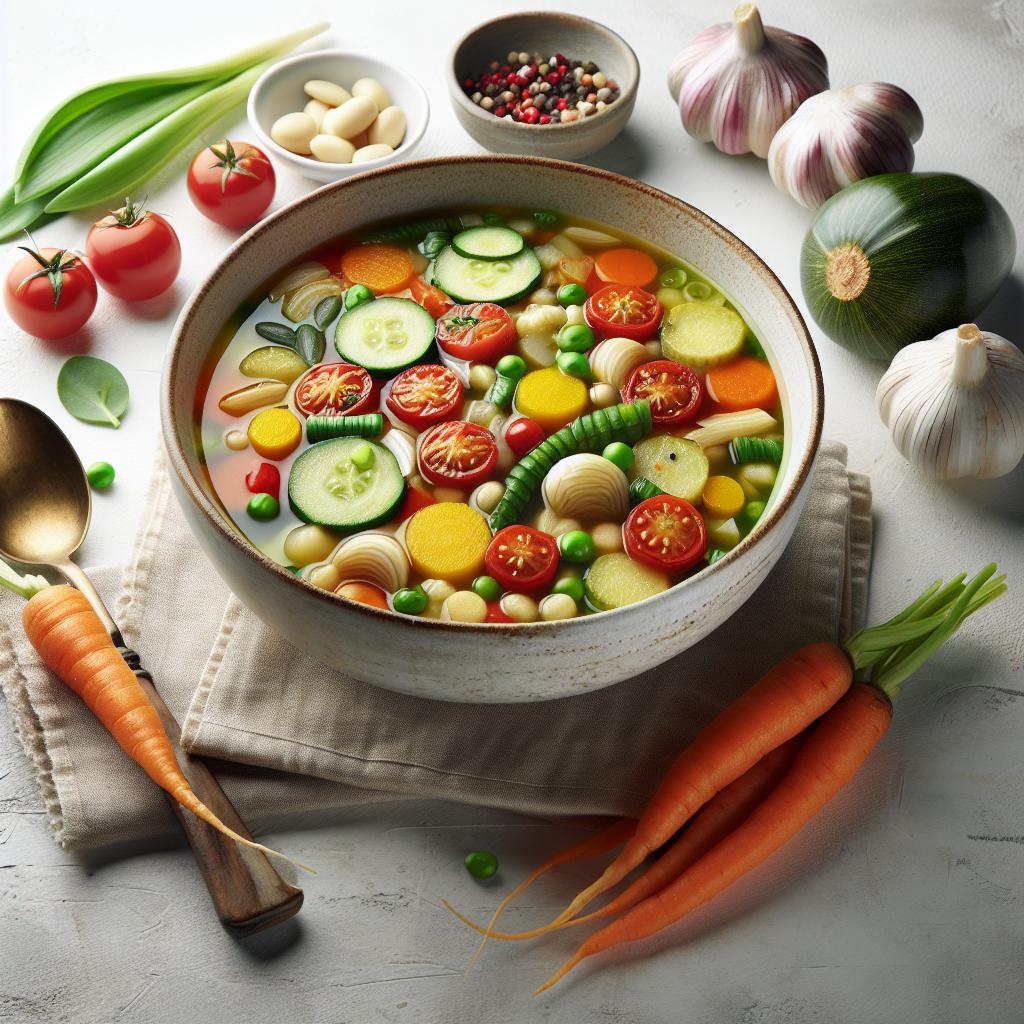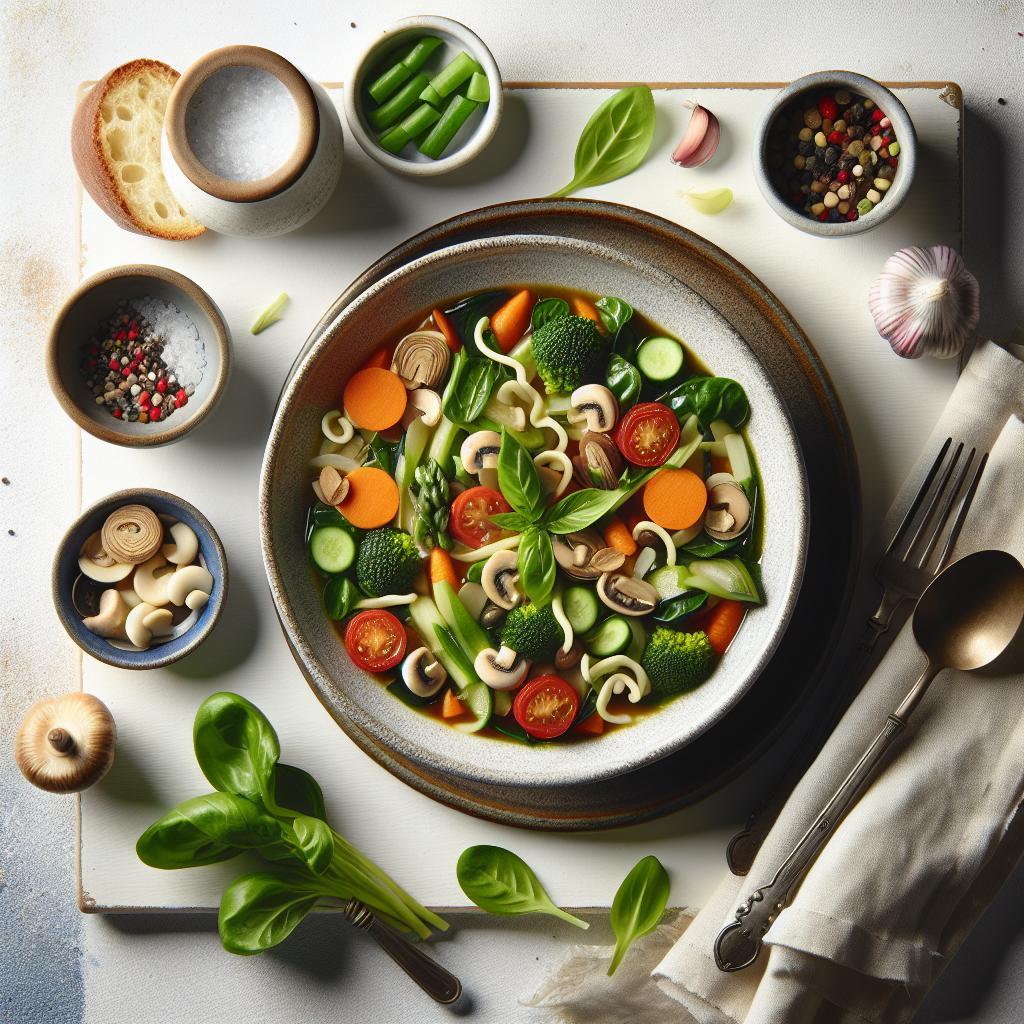

In the vibrant dance of seasonal flavors, few dishes capture the essence of a garden quite like a steaming bowl of garden minestrone. This hearty, soul-warming soup is more than just a meal-it’s a celebration of fresh, sun-ripened vegetables, herbs freshly snipped from the earth, and the comforting embrace of wholesome ingredients simmered to perfection. Every spoonful offers a fresh harvest, bursting with color, texture, and nutrients, inviting you to savor the best of nature’s bounty. Join us as we explore the art and heart behind garden minestrone, where tradition meets innovation in a bowl that nourishes both body and spirit.
Garden Minestrone is more than a soup-it’s a celebration of nature’s finest seasonal vegetables, harmonizing fresh textures and vibrant colors in a bowl that warms the soul. Rooted in Italian tradition, this garden-minestrone recipe not only honors the harvest but also invites you to craft a broth teeming with deep, layered flavors. The symphony of fresh garden vegetables melds beautifully with carefully chosen herbs and spices, creating a vibrant melody that sings in every spoonful.
Prep and Cook Time
- Prep Time: 25 minutes
- Cook Time: 45 minutes
- Total Time: 1 hour 10 minutes
Yield
Serves 6 hearty bowls
Difficulty Level
Medium – Ideal for cooks eager to deepen their connection to fresh flavors and technique
Ingredients
- 2 tbsp extra virgin olive oil
- 1 large yellow onion, finely diced
- 3 garlic cloves, minced
- 2 medium carrots, diced
- 2 celery stalks, diced
- 1 small zucchini, cubed
- 1 cup green beans, trimmed and cut into 1-inch pieces
- 1 cup fresh or frozen peas
- 1 small potato, peeled and diced
- 1 cup cooked cannellini beans, drained and rinsed
- 1 (14 oz) can diced tomatoes, with juices
- 6 cups homemade vegetable broth or low-sodium store-bought
- 1/2 cup small pasta (ditalini or elbow macaroni)
- 1 tsp dried oregano
- 1 tsp dried basil
- 1/2 tsp red pepper flakes (optional for gentle heat)
- Salt and freshly ground black pepper, to taste
- Fresh parsley, chopped for garnish
- Grated Parmesan cheese or vegan alternative (optional)
Instructions
- Heat the olive oil in a large heavy-bottomed pot over medium heat. Add the diced onion and sauté until translucent and tender, about 5-7 minutes, stirring occasionally.
- Add the garlic and cook for an additional 1 minute until fragrant, being careful not to burn it.
- Stir in the carrots, celery, and potato. Sauté for 5 minutes, allowing the vegetables to soften and release their fresh aromas.
- Pour in the diced tomatoes with their juices and the vegetable broth. Bring the mixture to a gentle boil, then reduce heat and let it simmer uncovered for 20 minutes.
- Add green beans, zucchini, peas, and cannellini beans. Continue to simmer for another 10 minutes, ensuring vegetables are tender but still hold vibrant color and bite.
- Season with oregano, basil, red pepper flakes (if using), salt, and pepper. Taste and adjust seasoning as needed.
- In a separate small pot, boil the small pasta until al dente following package instructions. Drain and add the pasta directly into the pot of soup.
- Stir well to combine and allow to cook together for 2-3 more minutes, letting the flavors marry beautifully.
- Remove from heat and ladle the garden minestrone into warm bowls. Sprinkle generously with chopped fresh parsley and a touch of freshly grated Parmesan or your preferred vegan cheese alternative.
- Serve immediately with a crisp rustic bread on the side for a soul-warming harvest meal.
Tips for Success
- Broth Building: For an elevated broth, start with a base of sautéed vegetables-onion, carrot, celery-adding layers by simmering with fresh herbs rather than just plain water or broth alone.
- Vegetable Flexibility: Feel free to swap in other seasonal favorites like kale, Swiss chard, or butternut squash as the garden offers.
- Pasta Timing: Cook pasta separately to prevent it from absorbing all the broth and becoming mushy; add it just before serving for the perfect texture.
- Make-Ahead: Soup flavors deepen overnight. Store without pasta and add cooked pasta when reheating.
- Vegan Variation: Omit cheese or use a plant-based alternative; ensure broth is vegetable-based.
Serving Suggestions
Present your bowl of garden minestrone with a sprinkle of bright parsley to enhance the colors and add freshness. A drizzle of artisanal olive oil adds a luscious finish. Pair the soup with a slice of crusty ciabatta or a crisp green salad dressed simply with lemon and extra virgin olive oil. For an extra touch, serve with a small ramekin of chili flakes, allowing guests to customize the heat level. This meal invites sharing at the table, celebrating the fresh harvest with warmth and conviviality.
| Nutritional Info (per serving) | Amount |
|---|---|
| Calories | 230 kcal |
| Protein | 9 g |
| Carbohydrates | 35 g |
| Fat | 5 g |
Discover more seasonal vegetable recipes to keep your table vibrant all year long. For additional tips on herbs and spices in soups, visit Epicurious’s herbs and spices guide.

Q&A
Q&A: Garden Minestrone: A Fresh Harvest in Every Hearty Bowl
Q1: What makes garden minestrone different from traditional minestrone soup?
A1: Garden minestrone celebrates the bounty of fresh, seasonal vegetables straight from the garden, emphasizing vibrant greens, ripe tomatoes, crisp beans, and tender zucchini. Unlike some traditional versions that can be heavier or rely on pantry staples, garden minestrone is a bright, fresh take that honors the crunch and color of a summer harvest.
Q2: Which vegetables are essential for crafting an authentic garden minestrone?
A2: Key players include garden-fresh carrots, celery, onions, garlic, zucchini, green beans, peas, and ripe tomatoes. Leafy greens like spinach or kale add depth and nutrition, while aromatic herbs such as basil, parsley, and thyme tie the medley together in a harmonious symphony of flavors.
Q3: How do fresh herbs contribute to the character of garden minestrone?
A3: Fresh herbs are the soul of garden minestrone, releasing their fragrant oils that elevate each spoonful. Basil brings a sweet peppery note, parsley adds a clean, grassy punch, and thyme lends gentle, earthy undertones. Their bright presence enlivens the broth and complements the vegetables without overpowering them.
Q4: Can garden minestrone be made vegetarian or vegan?
A4: Absolutely! This soup is naturally vegetarian and vegan-friendly when made with vegetable broth. The abundance of vegetables makes it hearty and satisfying without needing animal-based products, perfect for those seeking wholesome plant-based nourishment.
Q5: How can I enhance the texture of garden minestrone to make it more filling?
A5: Adding hearty ingredients like small pasta shapes (such as ditalini or elbow macaroni), tender beans (like cannellini or kidney beans), or even grains like barley transforms the minestrone into a robust, soul-warming meal that can stand alone as a full lunch or dinner.
Q6: What’s the best way to preserve the freshness of the vegetables while cooking?
A6: Start by sautéing aromatics like onions, garlic, carrots, and celery to build flavor. Add sturdier vegetables early in the simmering process, but reserve delicate greens and peas to stir in near the end. This step ensures each vegetable maintains its unique texture and freshness, making the soup both hearty and lively.
Q7: How can garden minestrone suit various seasonal gardens across the year?
A7: Garden minestrone is wonderfully adaptable. In spring, include fresh peas and tender greens; summer calls for zucchini, tomatoes, and green beans; autumn welcomes squashes and root vegetables; and winter versions can incorporate hearty greens and winter squash, ensuring a fresh harvest no matter the season.
Q8: Are there any tips for serving garden minestrone so it shines at the table?
A8: A drizzle of good-quality olive oil, a sprinkle of freshly grated Parmesan or a vegan cheese alternative, and a scattering of torn basil leaves can turn each bowl into a sensory delight. Serve with crusty bread or garlic toast to soak up the vibrant broth, making each meal a nourishing celebration of the garden’s gifts.
Insights and Conclusions
As the final spoonful of garden minestrone warms your spirit, you realize this humble bowl is more than just a meal – it’s a celebration of the earth’s bounty, a vibrant mosaic of fresh harvests united in savory harmony. Each ingredient tells a story of soil and sun, of patience and care, turning simple vegetables into a hearty, soul-nourishing experience. Whether savored on a crisp autumn evening or a gentle spring afternoon, this timeless soup invites you to taste the seasons and embrace the wholesome gifts of the garden, one fresh, flavorful bowl at a time.