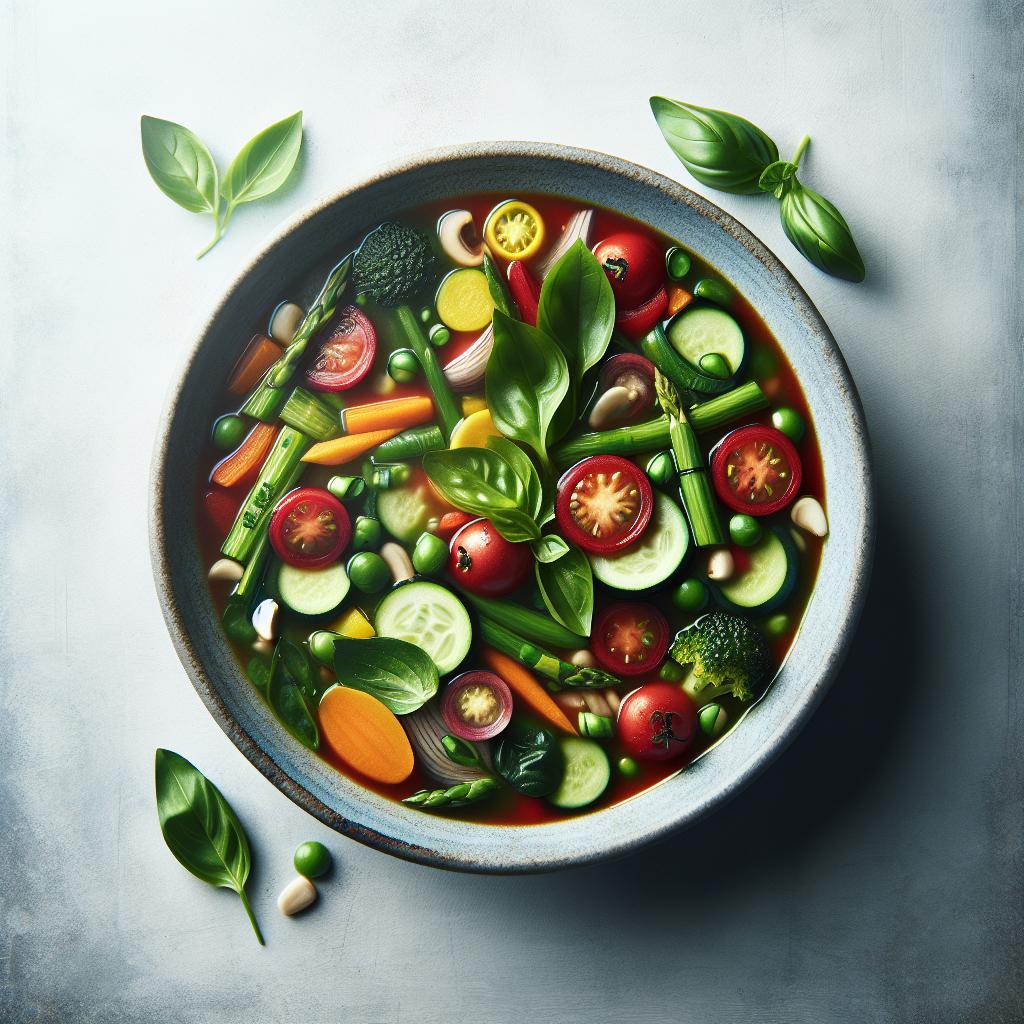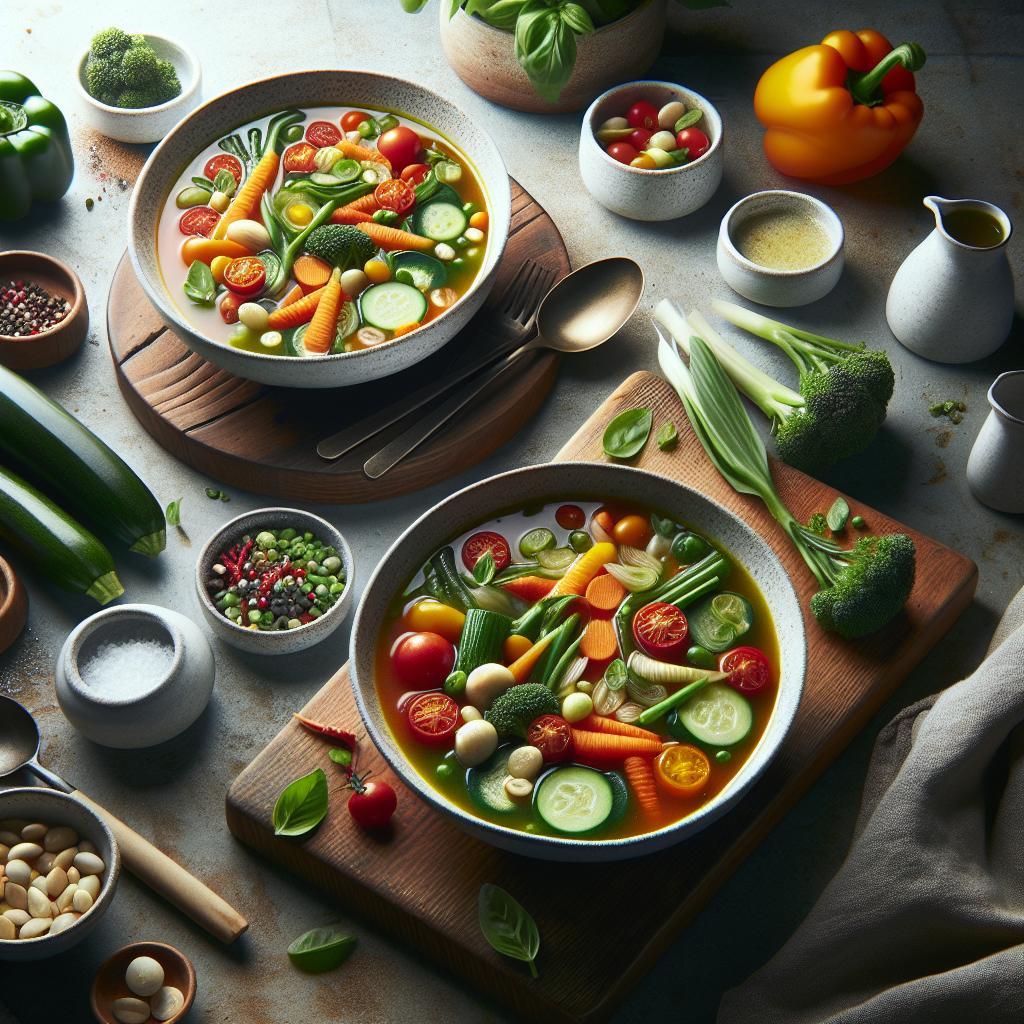

As the sun ripens the garden’s bounty, a vibrant symphony of colors and scents emerges, inviting us to celebrate nature’s freshest gifts. There’s no better way to honor this seasonal harvest than with a bowl of garden minestrone – a rustic Italian classic bursting with the essence of homegrown vegetables, fragrant herbs, and soul-warming broth. In this fresh guide to garden minestrone, we’ll explore how to transform your garden’s peak harvest into a flavorful masterpiece, blending time-honored tradition with modern inspiration. Whether you’re a seasoned gardener or a curious cook, prepare to discover the art of harvesting flavor, one spoonful at a time.
Selecting Seasonal Vegetables for Maximum Freshness and Flavor
Harvesting Flavor begins with choosing the freshest, most vibrant vegetables your garden or local market has to offer. Start by seeking seasonal varieties such as firm zucchinis, bright red tomatoes, sweet corn, and earthy green beans. Each bite of garden-fresh produce contributes not only a burst of natural sweetness but also a delightful textural contrast that makes this Minestrone sing.
Inspect vegetables for crispness and color-avoiding any signs of wrinkling or dullness ensures maximum freshness. Don’t overlook leafy greens like spinach or chard, which add loveliness and nutrients when added late in cooking. Remember, the quality of your broth is only as good as the vegetables soaking within it.
Mastering the Art of Homemade Broth to Elevate Your Minestrone
Nothing enhances the layered taste of your Minestrone quite like a homemade vegetable broth. This foundational liquid is not merely a cooking medium but a key flavor carrier. Start by simmering classic base aromatics: roughly chopped onions, carrots, celery, and garlic with bay leaves and peppercorns. Embrace the freedom to add seasonal extras-like fennel bulb, leek tops, or mushroom stems-for complexity.
Slow simmer your broth for at least 45 minutes to coax out deep, savory notes without bitterness. Strain carefully to capture a clear, golden elixir that sparkles in your pot. This attentive approach rewards your final dish with a nuanced depth impossible to replicate with store-bought alternatives.
Balancing Herbs and Spices for a Perfectly Layered Taste
The secret to the perfect Minestrone lies in harmonious use of herbs and spices. Celebrate fresh Italian classics-like fragrant rosemary sprigs, earthy thyme, and bright parsley. Tuck these in during cooking to infuse and layer your flavors subtly. Towards the end, fresh basil brings a peppery sweetness that refreshes the palate.
For warmth and complexity, add a pinch of red chili flakes or ground cumin early in the simmering stage. These touches create a gentle heat that dances beneath the vegetal notes without overpowering. Season gradually with sea salt to awaken all ingredients equally, tasting and adjusting until balanced.
Creative Variations and Serving Suggestions to Delight Every Palate
To personalize this vibrant Minestrone, consider these inventive twists:
- Swap traditional pasta for gluten-free or whole-grain options to accommodate dietary needs.
- Boost plant-based protein by stirring in cooked quinoa, lentils, or cannellini beans.
- For a creamy texture, swirl in a dollop of cashew cream or a sprinkle of grated vegan Parmesan.
- Finish with a squeeze of fresh lemon juice or a drizzle of robust extra virgin olive oil to brighten flavors.
Serve your Minestrone in rustic bowls garnished with torn basil leaves and a dusting of freshly cracked black pepper. Accompany with crusty artisan bread or crispy garlic croutons for an irresistible, textural contrast.
Prep and Cook Time
- Prep Time: 25 minutes
- Cook Time: 1 hour 10 minutes
Yield
Serves 6 generous bowls
Difficulty Level
Medium – rewarding for cooks ready to engage with fresh ingredients and layering flavors thoughtfully
Ingredients
- 2 tablespoons extra virgin olive oil
- 1 large onion, finely diced
- 2 carrots, diced
- 2 stalks celery, diced
- 3 cloves garlic, minced
- 1 medium zucchini, diced
- 1 cup green beans, trimmed and cut into 1-inch pieces
- 1 cup corn kernels (fresh or frozen)
- 2 medium tomatoes, peeled and chopped
- 6 cups homemade vegetable broth
- 1 cup ditalini pasta or preferred small pasta
- 1 teaspoon fresh rosemary, chopped
- 1 teaspoon fresh thyme
- 1 cup fresh spinach or chard leaves
- Salt and freshly ground black pepper, to taste
- Pinch of red chili flakes (optional)
- Fresh basil leaves, for garnish
Instructions
- Heat olive oil in a large pot over medium heat. Add onion, carrot, and celery; sauté until translucent and fragrant, about 7 minutes.
- Stir in garlic and cook 1 minute more, careful not to brown.
- Add zucchini, green beans, corn, and tomatoes; sauté gently for 5 minutes to meld flavors.
- Pour in homemade vegetable broth and bring to a gentle boil.
- Add rosemary, thyme, and a pinch of red chili flakes if using; reduce heat and simmer uncovered for 30 minutes, stirring occasionally.
- Increase heat to medium-high and add pasta. Cook until al dente, about 10 minutes, stirring occasionally.
- Five minutes before finishing, stir in fresh spinach; allow to wilt gradually.
- Season with salt and pepper to taste. Remove from heat and let rest for 5 minutes to marry flavors.
- Ladle into bowls, garnish with torn basil leaves and an optional drizzle of olive oil before serving.
Tips for Success
- Broth boost: Save vegetable scraps in a freezer bag to prepare homemade broth anytime.
- Vegetable swaps: Seasonal favorites like butternut squash or peas can add new twists.
- Pasta timing: Cook pasta separately if you prefer leftovers that won’t absorb liquid.
- Make-ahead: Minestrone tastes even better next day, so refrigerate and reheat gently.
Serving Suggestions
Offer Minestrone with a side of garlic-infused crusty bread or sprinkle toasted pine nuts on top for crunch. A light salad of arugula dressed with lemon and olive oil complements the heartiness perfectly. For a vegan-friendly twist, add a swirl of creamy cashew sauce or a dash of nutritional yeast to replicate cheesy savoriness.
| Nutritional Info (per serving) | Amount |
|---|---|
| Calories | 210 kcal |
| Protein | 8 g |
| Carbohydrates | 35 g |
| Fat | 5 g |

For more inspiration on nurturing garden freshness, explore our Seasonal Vegetable Guides. For tips on creating vegetable broth, visit Bon Appétit’s homemade broth method.
Q&A
Q&A: Harvesting Flavor – A Fresh Guide to Garden Minestrone
Q1: What makes garden minestrone different from traditional minestrone soup?
A1: Garden minestrone shines with its celebration of freshly harvested vegetables straight from the garden. Unlike some versions which may lean on canned or dried ingredients, this vibrant variation prioritizes seasonal produce, bringing bright, earthy flavors and crisp textures to every spoonful.
Q2: Which vegetables are essential for crafting an authentic garden minestrone?
A2: Think of your garden’s bounty! Classic staples include tender zucchini, bright green beans, sweet carrots, ripe tomatoes, leafy spinach, and earthy potatoes. Onions, garlic, and celery form the aromatic foundation, while fresh herbs like basil, thyme, and rosemary add that fragrant punch.
Q3: How can I maximize the flavor of my garden minestrone without using heavy broths?
A3: Building layers of flavor is key. Start by gently sautéing aromatics (onions, garlic, celery) in olive oil to coax out their sweetness. Use a homemade or high-quality vegetable broth as the base, and don’t shy away from adding a splash of tomato paste for umami depth. Fresh herbs and a final grating of Parmesan cheese can elevate the soup’s complexity.
Q4: What kinds of beans work best in garden minestrone?
A4: Cannellini (white kidney beans) or borlotti beans are traditional favorites with creamy textures and mild flavors that blend beautifully in the soup. If you prefer, small red or navy beans also complement the garden fresh vegetables without overpowering them.
Q5: How do I maintain vegetable texture without overcooking in minestrone?
A5: Timing is everything. Add sturdier vegetables like carrots and potatoes early to have time to soften. More delicate ingredients such as zucchini, green beans, and leafy greens should be tossed in near the end to stay vibrant and just tender, preserving their garden-fresh snap.
Q6: Can I customize garden minestrone for different seasons?
A6: Absolutely! Spring’s tender peas and asparagus transform the soup with a sweet freshness, summer brings juicy tomatoes and zucchini, while autumn invites hearty root vegetables and kale. Adapting to the rhythm of the seasons keeps the minestrone dynamic, nourishing, and perfectly in tune with your garden’s yield.
Q7: Are there any tips for making garden minestrone a complete meal?
A7: To make it heartier, add whole-grain pasta or barley during the final cooking stages for an earthy chew. A sprinkle of toasted seeds or nuts can add crunch and protein. Pair with fresh crusty bread, and you have a wholesome, vibrant meal packed with garden goodness.
Q8: How do fresh herbs influence the final flavor profile of garden minestrone?
A8: Fresh herbs are like seasoning magic. Basil adds sweetness and emits a peppery kick, thyme offers subtle earthiness, and rosemary introduces pine-like hints. Adding them fresh at the end preserves their aromatic oils, elevating the soup’s garden-to-table authenticity.
Q9: What is the best way to store leftover garden minestrone?
A9: Cool the soup to room temperature before transferring to airtight containers. Refrigerate for up to three days, or freeze for up to three months. If frozen, it’s best to add delicate greens and pasta fresh after reheating to maintain texture and color.
Q10: Why is garden minestrone such a beloved dish among home cooks?
A10: It’s comforting, forgiving, and versatile-a flavorful canvas awaiting your garden’s harvest. Each pot tells a seasonal story, nourishes with wholesome ingredients, and rewards patience with soulful, layered flavors. It’s a celebration of nature’s freshest offerings in a warm, inviting bowl.
Concluding Remarks
As the final spoonful of your garden minestrone warms both heart and home, remember that this humble bowl is more than a meal-it’s a celebration of nature’s bounty, harvested and stirred with care. From the first peel of a carrot to the last sprinkle of fresh basil, every ingredient tells a story of soil, sun, and season. So next time you step outside to gather your garden’s gifts, embrace the endless possibilities that await in your pot. Harvest with intention, cook with love, and savor the vibrant flavors born from your very own backyard. After all, the freshest dishes are those rooted in the richness of the earth-and the joy of mindful cooking.