
In the heart of British kitchens, where tradition meets thrift with a sprinkle of culinary magic, lies a dish that turns yesterday’s meals into today’s delight: bubble and squeak. More than just a nostalgic nod to leftovers, this humble medley of potatoes and cabbage-crisply fried to golden perfection-carries stories of home, heritage, and hearty flavors. Join us as we unravel the charm behind bubble and squeak, exploring its origins, its irresistible appeal, and how this classic comfort food continues to win hearts one sizzle at a time.
- The Origins and History Behind Bubble and Squeak
- Essential Ingredients and Traditional Preparation Techniques
- Creative Variations to Elevate Your Leftovers Game
- Tips for Achieving the Perfect Golden Crispy Texture
- Prep and Cook Time
- Yield
- Difficulty Level
- Ingredients
- Instructions
- Chef’s Notes
- Serving Suggestions
- Q&A
- The Way Forward
The Origins and History Behind Bubble and Squeak
Bubble and Squeak is a beloved British classic, steeped in humble origins and culinary ingenuity. Its name intriguingly captures the sounds the ingredients make as they cook-a playful bubble and a gentle squeak-signaling the dish’s sizzling embrace of leftover vegetables and potatoes. Traditionally served after a Sunday roast, this dish offers a deliciously thrifty way to transform yesterday’s plate into today’s crispy delight. It evokes cozy family kitchens and cold mornings, when the warmth of fried potatoes and cabbage fills the air, inviting everyone to gather around the table.
Essential Ingredients and Traditional Preparation Techniques
The authentic base of bubble and squeak centers around two essential ingredients: boiled potatoes and cabbage. These simple staples are combined and pan-fried to golden perfection.
- Boiled potatoes, preferably from the previous day, provide that creamy interior and a fluffy texture.
- Cabbage is finely shredded, offering crunch and subtle earthiness.
- A splash of butter or oil for frying, introducing richness and crispness.
- Salt and pepper to season.
Traditionally, the leftover veggies from your Sunday roast-often including carrots, Brussels sprouts, or peas-are mashed together with the potatoes and cabbage. Recipes vary by household, but the core technique remains the same: gently pan-fry the mixture in a heavy skillet over medium heat until a golden crust forms, flipping carefully to maintain its shape. The gentle bubble and multi-layered sizzle bring out a savory depth and incredible texture.
Creative Variations to Elevate Your Leftovers Game
While the classic bubble and squeak relies on potatoes and cabbage, creativity is encouraged to elevate this comforting dish. Consider mixing in finely chopped leftover roasted meats like beef or lamb for a heartier bite. Add sautéed onions or shallots for a sweet contrast, or spice it up with a pinch of smoked paprika or cayenne. For a fresh twist, swap out cabbage for kale or spinach, and try roasted garlic for a fragrant boost.
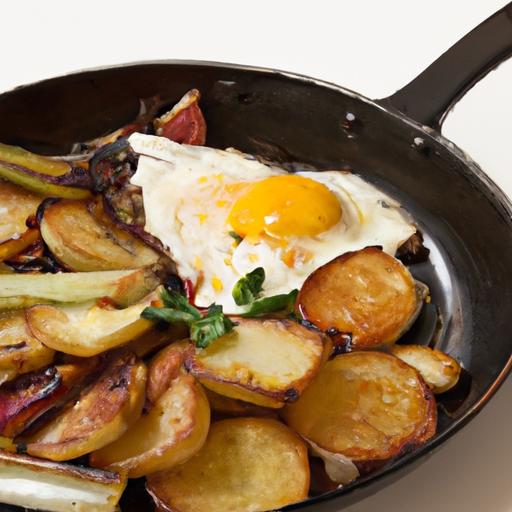
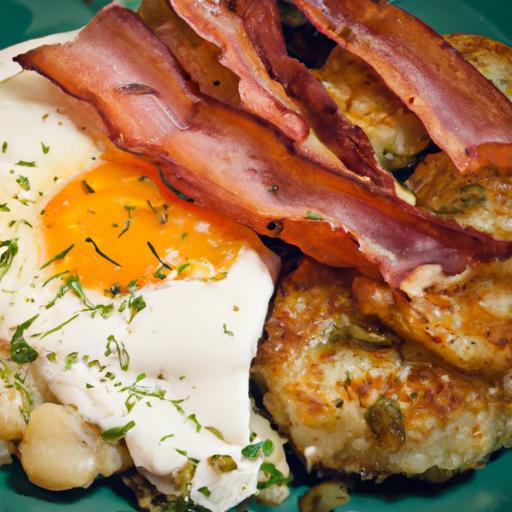
Vegetarian cooks can experiment with mushrooms and caramelized leeks, lending an umami richness. Don’t hesitate to top your bubble and squeak with a fried egg or a dollop of tangy mustard sauce-these simple tweaks transform humble leftovers into a celebrated meal.
Tips for Achieving the Perfect Golden Crispy Texture
Getting that ideal crisp and golden crust is where the magic happens. Here are a few vital tips:
- Use cold, day-old potatoes: They hold their shape better and crisp up much faster than fresh boiled potatoes.
- Remove excess moisture: Before frying, press out any water from the cabbage and other vegetables to prevent sogginess.
- Heat your pan well: A heavy-based skillet or cast iron pan is best, heated over medium to medium-high flame.
- Use enough fat: Butter and oil can be combined for rich flavor and high smoke point.
- Don’t overcrowd the pan: Fry in batches if needed, allowing air circulation for a crunchier exterior.
- Press firmly: Use a spatula to shape and press the mixture into an even cake before flipping gently, reducing breakage.
Prep and Cook Time
- Prep Time: 10 minutes
- Cook Time: 15-20 minutes
- Total Time: 30 minutes
Yield
- Servings: 4 generous portions
Difficulty Level
- Easy – Perfect for home cooks seeking comfort food without fuss
Ingredients
- 3 cups cooked potatoes, peeled and roughly mashed
- 2 cups cooked cabbage, finely chopped and well-drained
- 1 small onion, finely diced (optional)
- 2 tbsp unsalted butter
- 2 tbsp vegetable oil (or more, as needed)
- Salt, to taste
- Freshly ground black pepper, to taste
- Optional: leftover cooked vegetables or meats for variation
Instructions
- Prepare the mixture: In a large bowl, combine the mashed potatoes and chopped cabbage, add diced onion if using. Season generously with salt and black pepper. Mix well to create a cohesive batter.
- Heat your skillet: Place a heavy-bottomed pan or cast iron skillet over medium heat. Add 1 tbsp butter and 1 tbsp oil, swirling to coat.
- Form the cakes: Using your hands or a large spoon, shape the potato-cabbage mixture into 4 evenly sized patties, pressing firmly for compactness.
- Cook the first side: Place the cakes into the hot skillet without crowding. Sauté for about 7-8 minutes per side, or until a golden-brown crust forms. Avoid moving the patties prematurely to keep them intact.
- Flip carefully: Use a wide spatula to gently turn them over and cook the other side until equally crispy and golden.
- Adjust fats and temperature: Add more butter or oil if needed, and tweak the heat to avoid burning while ensuring thorough crisping.
- Serve warm: Transfer to plates and garnish as desired. Enjoy immediately for optimal texture.
Chef’s Notes
- For an extra crisp finish, finish the cakes under a hot grill for 1-2 minutes per side after pan-frying.
- Store any leftover cakes refrigerated and gently reheat in a skillet to maintain crispness-avoid microwaving.
- Use leftover roast vegetables with similar textures, like carrots or parsnips, but avoid watery ingredients like tomatoes unless well-drained.
- Add a pinch of nutmeg or mace to the mixture for a subtle warming note.
Serving Suggestions
Bubble and squeak pairs beautifully with traditional accompaniments such as a fried or poached egg, grilled tomatoes, or a hearty English mustard. Garnished with fresh chopped parsley or chives, the dish adds a vibrant splash of color and freshness.
For a brunch favorite, serve alongside smoky bacon or mushrooms sautéed in thyme. If you prefer a lighter option, a crisp green salad with a zesty vinaigrette complements the richness perfectly.
| Nutritional Information (per serving) | Calories | Protein | Carbs | Fat |
|---|---|---|---|---|
| Bubble and Squeak | 220 kcal | 5 g | 35 g | 7 g |

Ready to dive deeper into British favorites? Explore our Classic British Roast Recipes for more comforting dishes. For a historical perspective on British culinary traditions, visit the British History Online.
Q&A
Q: What exactly is Bubble and Squeak?
A: Bubble and Squeak is a beloved British comfort dish traditionally made by frying up leftover vegetables-usually potatoes and cabbage-until they’re golden and crispy. It’s a charming example of frugal cooking turned delicious, where the “bubble” comes from the sizzling potatoes and the “squeak” from the cabbage as it cooks.
Q: How did Bubble and Squeak get its quirky name?
A: The name is thought to mimic the noises the dish makes while cooking-the bubbling and squeaking sounds from the frying pan. It captures the playful and homely spirit of this humble leftovers dish, making it just as much fun to say as it is to eat.
Q: What ingredients traditionally go into Bubble and Squeak?
A: Traditionally, it features leftover roast potatoes and cabbage, but recipes can include other vegetables like carrots, Brussels sprouts, peas, and sometimes even bits of meat. The core idea is to repurpose the bits left on your plate into something new, tasty, and satisfying.
Q: Is Bubble and Squeak served at specific meals?
A: While often enjoyed as part of a hearty British breakfast or brunch, Bubble and Squeak is versatile enough for lunch or dinner. It’s especially popular during post-holiday meals, when leftover roast dinners abound.
Q: Can Bubble and Squeak be made vegetarian or vegan?
A: Absolutely! The dish is naturally vegetable-based and can easily be adapted to vegan diets by using oil instead of butter for frying. Just skip any meat additions and enjoy a plant-powered classic.
Q: What makes Bubble and Squeak so uniquely British?
A: Beyond ingredients, Bubble and Squeak captures the British knack for wit, thrift, and flavorsome simplicity. It’s a culinary tradition that embraces leftovers with gusto, turning kitchen scraps into something warm, crispy, and utterly comforting.
Q: How do you get the perfect crispy texture?
A: The secret lies in the frying technique-use a good amount of fat (butter or oil), press the mixture flat in the pan, and let it cook undisturbed over medium heat until the edges turn golden brown. Patience is key to that irresistible crunch!
Q: Can you get creative with Bubble and Squeak?
A: Definitely! Modern cooks often add cheese, herbs, spices, or experiment with different vegetable combos. Whether you prefer it simple or jazzed up, Bubble and Squeak is a flexible canvas for your culinary creativity.
Q: Why has Bubble and Squeak endured through British culinary history?
A: It’s more than just a leftovers recipe-it’s a symbol of resourcefulness, community, and cozy eating. Its comforting flavors and straightforward preparation keep it a staple in British homes, bridging generations with every crispy bite.
Q: Where can one try authentic Bubble and Squeak today?
A: Many traditional British pubs and cafes serve Bubble and Squeak, especially in colder months. You can also easily whip it up at home using your leftovers, ensuring a taste of British heritage right from your kitchen!
The Way Forward
In the end, Bubble and Squeak is more than just a humble leftovers dish-it’s a culinary emblem of British ingenuity and thrift, transforming yesterday’s roast into today’s comforting feast. Whether you’re savoring the crispy edges of cabbage or the golden nuggets of potato, each bite tells a story of tradition, resourcefulness, and flavor. So next time your Sunday dinner leaves behind a colorful medley of veggies and spuds, remember that Bubble and Squeak awaits-a charming reminder that sometimes the best meals bubble up from what we least expect, and squeak with delight on the pan.